
When selling your home, first impressions are everything for potential buyers.
Home staging, the art of preparing and presenting a home for sale, has become a crucial strategy for sellers aiming to attract buyers and secure the best price for their property.
“Home staging is not just about making a house look pretty; it is about creating an environment where potential buyers can envision themselves living,” said Claude McKirby, co-principle for Lew Geffen Sotheby’s International Realty in the Western Cape.
“The goal is to highlight the home’s strengths, downplay its weaknesses, and appeal to the broadest possible audience. With research showing that staged homes generally sell faster and for more money than non-staged homes, it is well worth the effort.”
Why staging is effective
According to McKirby there are key psychological reasons as to why staging is so effective:
First impressions: Buyers often make up their minds about a property within the first few minutes of seeing it. A well-staged home creates a positive first impression, setting the tone for the rest of the viewing.
Emotional connection: Staging helps buyers form an emotional connection with the property, imagining themselves living there.
Perceived value: Staged homes are perceived as well-maintained and move-in ready.
Visualisation: Not all buyers can envision the potential of an empty or cluttered space and staging provides a visual reference, helping buyers to see how different spaces can be used and enhancing their ability to visualise living in the home.

Do’s of home staging
McKirby shares some of the most important do’s to guide homeowners:
Declutter and depersonalise: Remove personal items, family photos, and excessive decorations. This helps potential buyers envision their own belongings in the space. Less clutter makes rooms appear larger and more inviting.
Clean thoroughly: A spotless home suggests that the property has been well-maintained. Pay attention to details, such as cleaning windows, carpets, and even the inside of appliances like ovens.
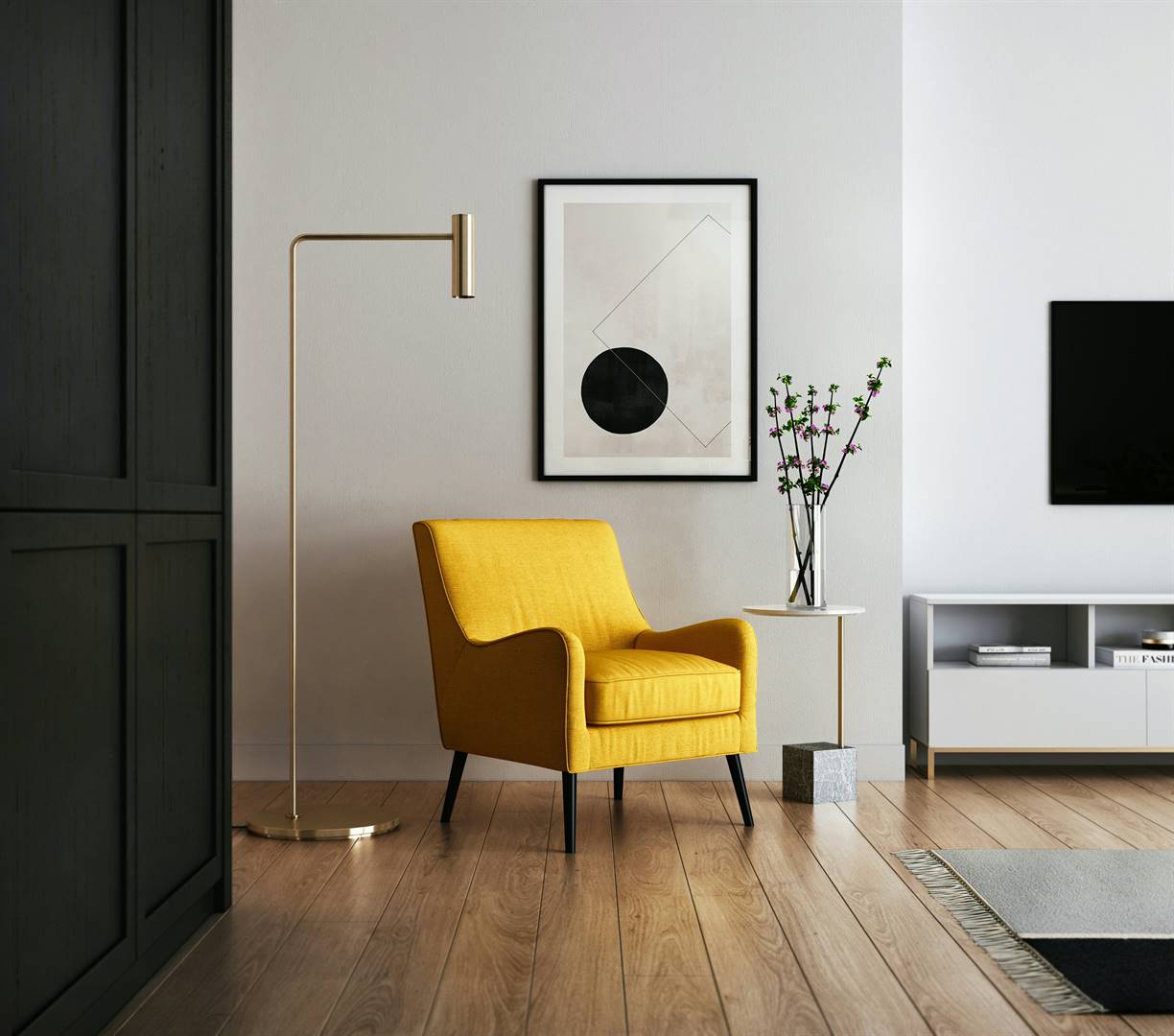
Neutralise colour schemes: If you are going to give the place a fresh coat of paint, use neutral colours for walls and remove any décor that is too bold or quirky. Neutral tones have a broader appeal and create a blank canvas for buyers’ imaginations.
Highlight key features: Draw attention to the property’s best features, such as a fireplace, large windows, or hardwood floors. Use furniture and décor to frame and highlight these elements even if it means moving around some items to better highlight these features
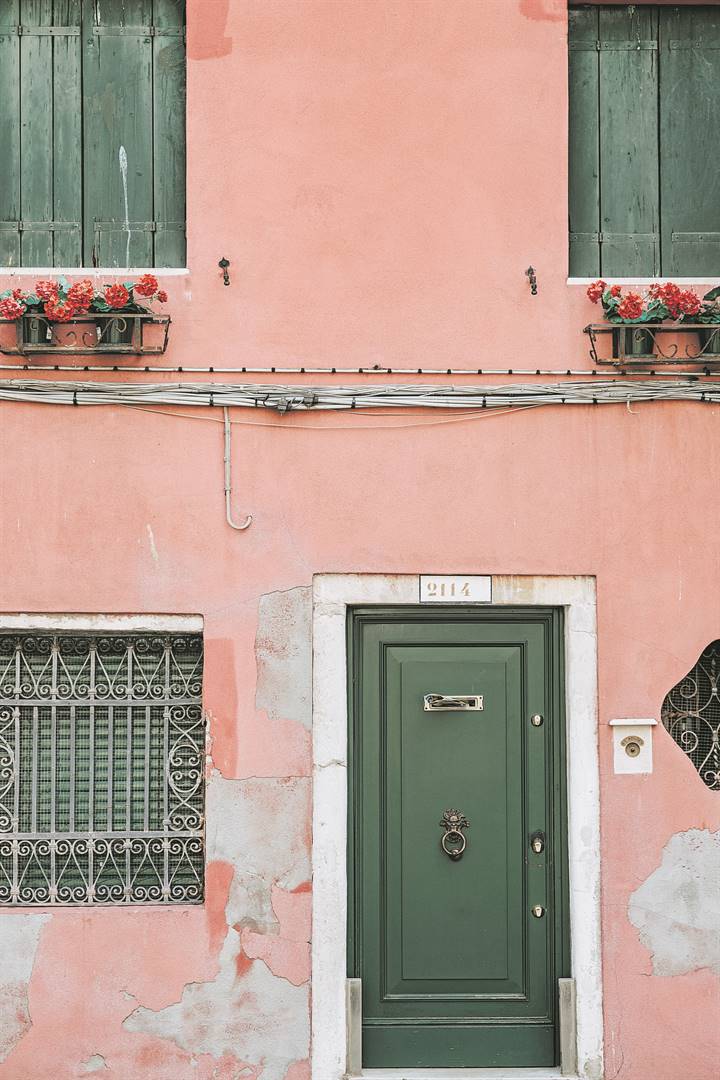
Improve kerb appeal: The exterior of your home is the first thing buyers see. Ensure the lawn is mowed, hedges are trimmed, and the entrance is welcoming. Consider adding a fresh coat of paint to the front door and planting flowers or even placing attractive pot plants next to the entrance.
Create a cohesive style: If you are going to bring in furniture or décor to fill up empty spaces and improve the overall effect or semi-furnish an empty property, choose a consistent style for furniture and décor that complements the home’s architecture.
Light it up: Ensure all rooms are well-lit. Open curtains and blinds to let in natural light and use lamps and light fixtures to brighten darker areas. Good lighting makes spaces feel larger and more inviting.
Don’ts of home staging
Overdo it: Avoid excessive furniture and decorations as too much in an area will make spaces feel cramped and distract buyers from the home’s features.
Ignore minor repairs: Small issues like leaky faucets, cracked tiles, or peeling paint can give the impression that the home is not well-maintained. Fix these minor problems to present a polished look.
Use strong scents: While it is important to ensure the home smells fresh, avoid overpowering scents from candles, air fresheners, or cleaning products. These can be off-putting to buyers, especially those with sensitive noses.
Leave pets out: Remove pets and their belongings during showings. Some buyers may have allergies or simply may not be pet lovers, and evidence of pets can be a deterrent.
Ignore storage areas: Do not neglect closets, garages, and other storage spaces. Buyers will almost certainly look in these areas to assess storage capacity. Keep them organised and tidy to demonstrate ample storage.
Forget the outdoors: Stage patios, decks, and gardens to show their potential as living areas. Arrange furniture and add potted plants to create inviting outdoor spaces.
– My Pressportal