

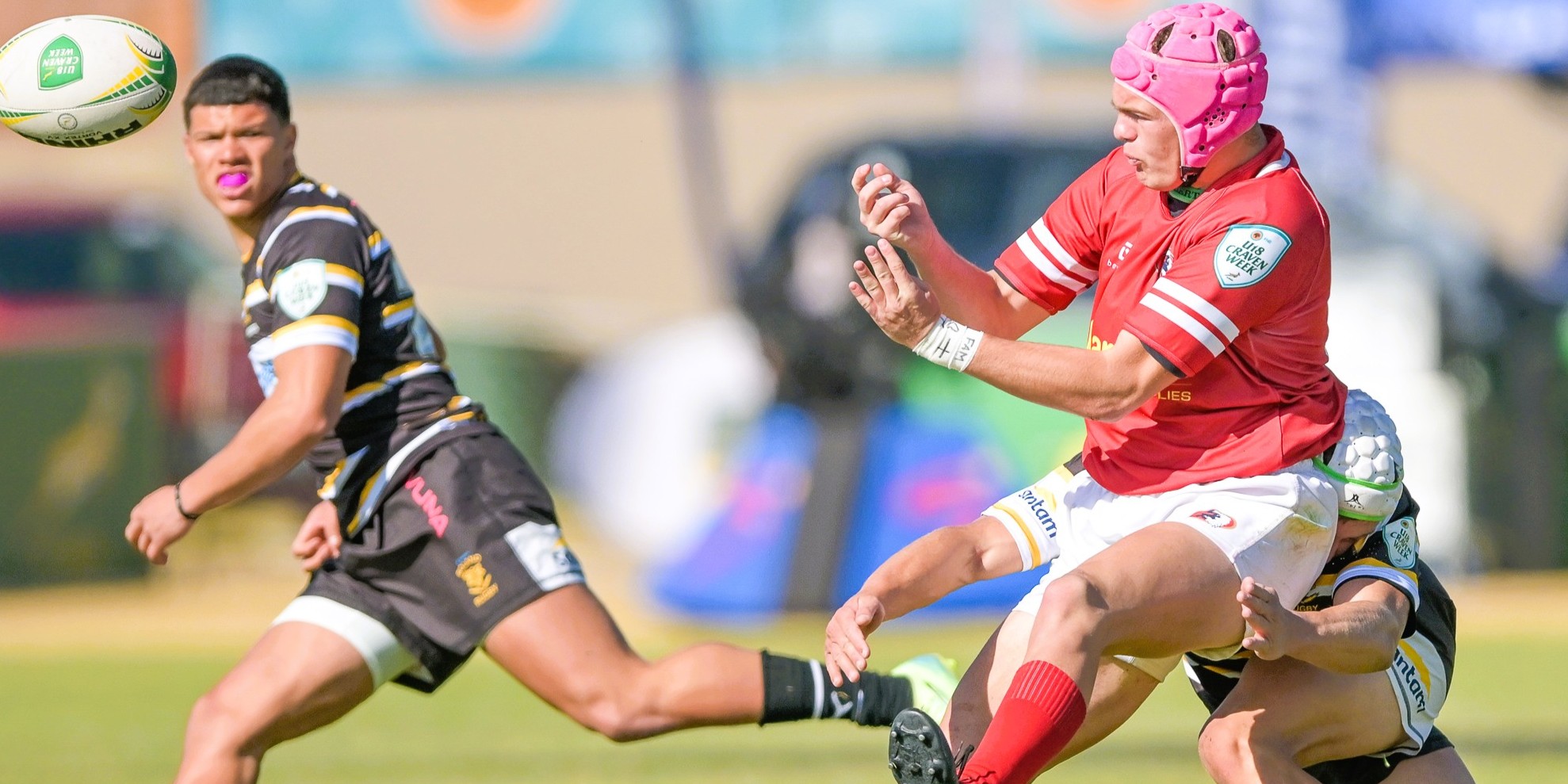
Every year across South Africa’s rugby heartlands, the same drama unfolds. Hundreds of hopeful schoolboy stars turn up for provincial trials, desperate to earn that coveted Craven Week jersey. But what if the very system designed to identify the best talent is actually undermining the process?
It’s a question gaining traction in coaching circles, and the answers being proposed could fundamentally reshape how South African rugby identifies its future Springboks.
Writing on Rugby Coach Talk in 2022, James Winstanley, junior pathways manager of the Bulls, posed a provocative challenge to the rugby establishment. Given the increases in physical intensity and ball-in-play time in modern rugby, just how relevant are traditional trials in today’s landscape?
The answer, increasingly, appears to be “not very.” although some unions have changed their approaches since 2022.
When the system works against talent
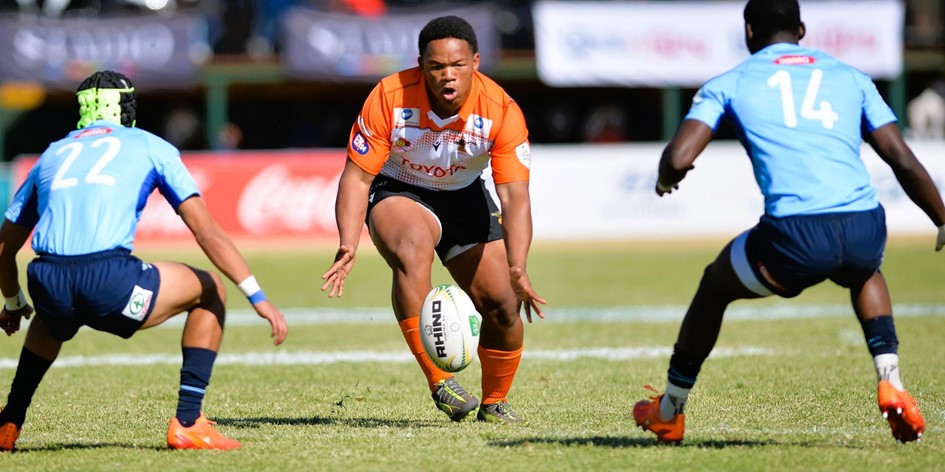
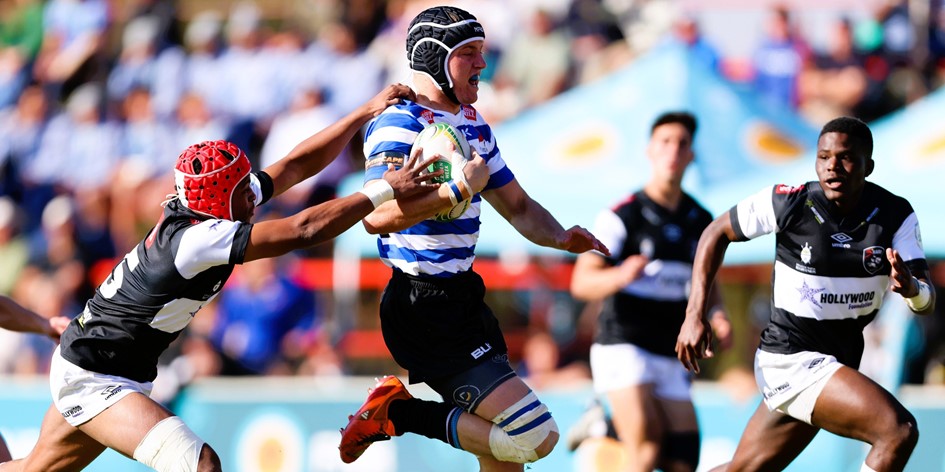
The fundamental flaw in traditional trial matches lies in their uncontrolled environment. Composite teams of mixed abilities create mismatches that obscure rather than reveal genuine talent.
One side gets a reliable hooker who hits his jumpers consistently; the other doesn’t. One pack establishes scrum dominance and provides front-foot ball; the other spends the afternoon going backwards. A supremely talented eighthman finds himself starved of possession because his tight five is getting monstered at set-piece.
This seems fair until you’re the aspiring lock, flank, number eight or any backline player for that matter in the team without the ball. A weak scrumhalf feeding slow, inaccurate service to a backline. The examples are endless.
You may be significantly better than your opposite number, but the uncontrolled environment doesn’t allow for your skillset to be directly compared. Many genuinely talented players are compromised at some point in the broad trial process through no fault of their own.
What if unions replaced the existing method with a more deliberate process of screening players in isolation, position by position?
The framework would look radically different:
Scrumhalves assessed together on base passing, lineout passing and box kicking – all side by side. Flyhalves contrasted on pass, run and kick skills against one another. Midfielders evaluated on decision-making, creating and preserving space. Outside backs tested on evasion, kicking and kick receipt.
Forward unit skills – jumping, lifting, throwing and scrummaging – all conducted in controlled environments. Player versus player. Prop versus prop. Hooker versus hooker.
Selectors and coaches could incorporate passing, decision-making, evasion, breakdown work and tackling skills with bags to build the complete picture. Crucially, all of this happens with players grouped by position, allowing direct comparison of like with like.
The efficiency gains are remarkable. Selectors could eliminate 75-80% of players within two hours without excessive amounts of contact. What remains is the cream.
Building from quality
Selection from this refined pool can then begin in earnest. Without fundamental positional skills, a player won’t survive provincial week.
Once these essential skills are confirmed through screening, attention turns to go-forward capacities, ball carrying and tackling, again in controlled squad training environments. The best versus the best.
In the same session, coaches introduce attacking and defensive patterns to identify the real thoroughbreds starting to emerge.
If selectors still need additional clarity, a short trial game of 20-25 minutes should provide final answers. Not an entire day of mismatched encounters where talent can be obscured rather than revealed.
Realistically, unions could reach a squad of approximately 35-40 players in shorter time, with greater accuracy.
The benefits stack up
This concentrated and controlled approach would deliver multiple advantages. It reduces the likelihood of injuries. It improves selection accuracy. It ensures credibility in the process. It increases scope for trust between coaches and selectors. It manages injured players more effectively. And critically, it reduces fatigue for school derby games.
Win-win all round.
Interestingly, SA Rugby already employs this process in their U16 and U17 Elite Player Development camps to identify players. The blueprint exists; it’s simply not being applied consistently at provincial level.
How the provinces currently operate
The reality across South Africa’s provincial unions reveals a patchwork of approaches, each with inherent strengths and weaknesses.
Most unions, especially the larger provinces, hold pre-trials, dividing their territory into districts. These districts select teams that play another two rounds of trials and possibly practice matches before final squads are selected. It’s a marathon process that stretches over weeks.
In KwaZulu-Natal, the top eight schools in the province participate in a trials day, whilst smaller schools have already contested pre-trials and two composite teams have been selected from that process.
The Bulls have taken a different tack entirely, appointing two selectors per position to watch players from when the season starts. These selectors attend major tournaments such as Noord-Suid and the Absa Wildeklawer, building comprehensive profiles of candidates over time rather than relying on a single day’s evidence.
These unions increasingly leverage the abundance of streaming platforms available to them, with SuperSport Schools providing crucial footage that allows selectors to review performances they couldn’t attend in person.
With selectors out in force trying to assemble the best possible squads, the way trials are conducted has come under the spotlight once again.
Consider Western Province’s current situation, where debate rages around the abundance of quality loose forwards available. Meanwhile, Mickyle Booise stands out as the leading candidate for the number nine jersey.
Also read: WP selectors face impossible backrow choices for Craven Week
Would any panel of selectors seriously overlook Booise if he were unable to participate in trial matches due to injury or other circumstances? His body of work throughout the season speaks for itself, yet the traditional system theoretically demands his participation in trials to confirm what everyone already knows.
The variables stack against fairness
Trials days introduce too many uncontrollable variables. The risk of injuries. The inherent bias of coaches from specific schools. The sheer volume of participants creating logistical chaos. Weather conditions on the day. Referee interpretations affecting one match but not another.
All of these factors can derail a talented player’s provincial ambitions through circumstances entirely beyond their control.
A hybrid solution?
Perhaps the answer lies not in wholesale abandonment of trials but in a hybrid approach that combines the best elements of existing methods.
Imagine this: selectors watch as many matches as possible throughout the season, leveraging both in-person attendance and streaming platforms, to select an initial group of approximately 60 players. This season-long observation accounts for form, consistency and performance under various conditions.
From this pool of 60, a comprehensive screening process takes place, assessing fundamental skills position by position in controlled environments. This filtering reduces the squad to the strongest 30-35 candidates.
Finally, a short trials match of 20-25 minutes allows selectors to see how these elite candidates combine in game situations, providing the final clarity needed for selection.
This approach honours the tradition of trials whilst incorporating the precision of screening and the thoroughness of season-long observation.
The human factor remains
These selections will never be completely objective, the human factor makes it impossible to remove all subjective elements. Coaches will always have preferences. Selectors will always interpret what they see through their own experience and philosophy.
But the goal isn’t perfect objectivity, it’s getting as close as possible whilst treating young players fairly and protecting their welfare.
Craven Week selection matters too much to leave to the lottery of mismatched trial teams. The screening revolution may be unconventional, but in an era where precision and player welfare matter more than ever, it might just be an idea whose time has come.
SA Rugby has already proven the concept works at U16 and U17 EPD level. Provincial unions have the tools at their disposal, streaming platforms, experienced selectors, and increasingly sophisticated understanding of talent identification.