

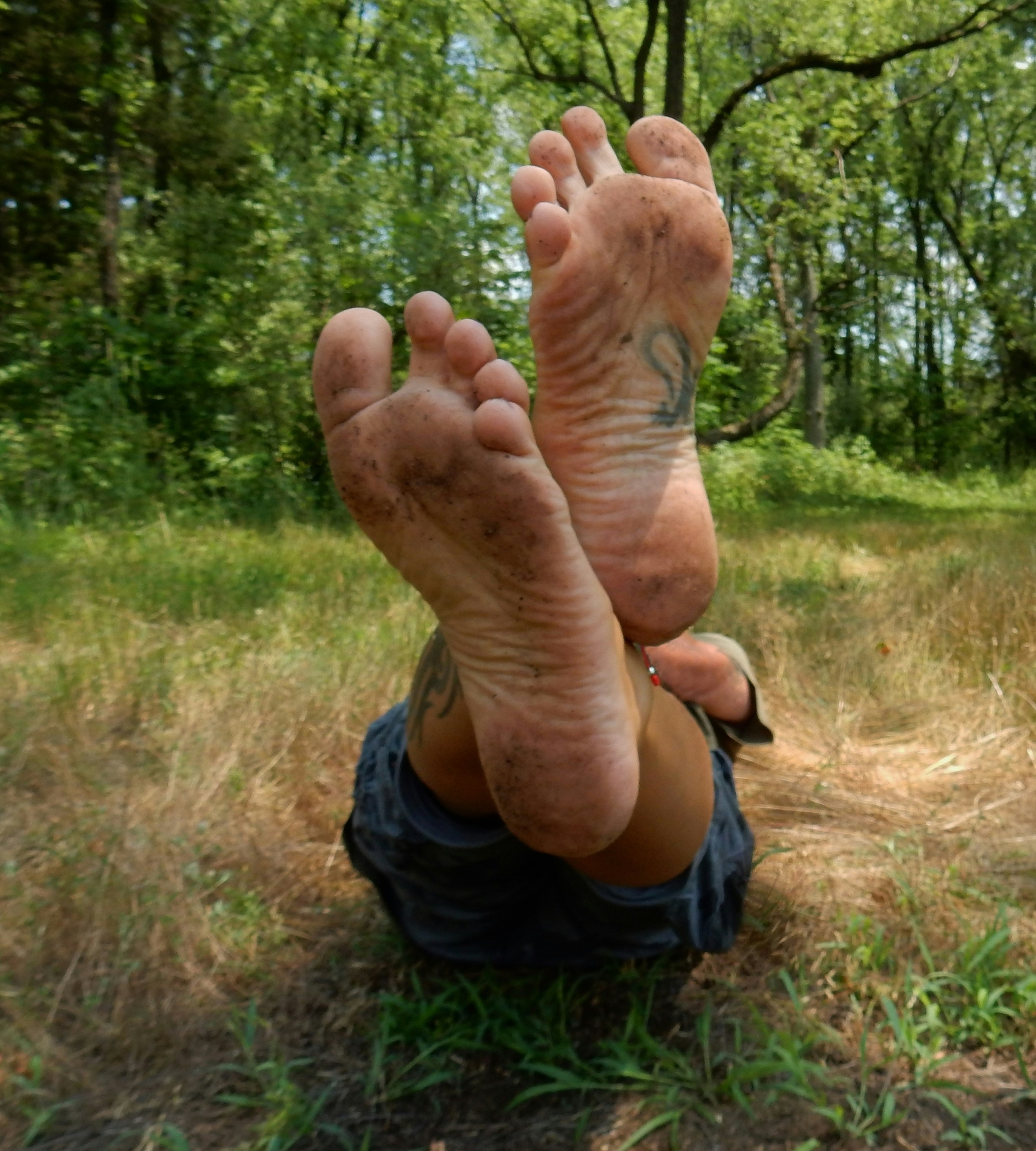
Despite being one of the most complex structures in the human body – containing 26 bones, 33 joints and over 100 muscles, tendons and ligaments – the feet remain one of the most under-prioritised areas of healthcare.
World Foot Health Awareness Month in May encourages both preventative care and early intervention, highlighting the link between foot health, posture, movement and long-term physical wellbeing.
In South Africa, where long periods of standing, walking and physically demanding work are part of daily life for millions, foot health is still often treated as cosmetic or reactive, rather than foundational to whole-body wellness.
Conditions like cracked heels, calluses and blisters are often dismissed as minor, yet they can subtly alter the way we walk, impacting gait, balance and alignment over time.
Foot care tips
- Avoid walking barefoot, especially in public places. If you are going to walk around the gym locker room, or use a public shower area, wear your slippers or shoes, and do not, under any circumstances, share footwear. Walking around barefoot, especially in public places, renders your feet vulnerable to cuts, scrapes, or wounds, and infection.
- Keep your feet moisturised. Apply lotion to your feet to keep them moisturised. Dry skin not only hurts, but it can crack and put you at risk of having an infection. The heel is prone to dryness and cracking, and not all fissures are easily visible to the naked eye.
- Wear the right shoes. Wearing properly fitting shoes can help prevent foot injuries, which can affect your gait and posture and, in turn, cause problems in the other structures of your lower extremity. When buying shoes, make sure to pick a pair that is comfortable, provides adequate arch support, has good traction (to avoid slipping), and has a roomy toe box.
- Rotate your footwear. Rotating your shoes helps you engage different muscle groups and give those stressed areas of your lower extremity time to rest. Changing your shoes every now and then also gives those that you just wore time to dry out thoroughly: sweat-laden shoes are good breeding grounds for fungi and molds.
- Know when to see an orthopedic doctor. Never attempt to self-treat foot problems. Any persistent discoloration, redness, and swelling warrants a visit to your orthopedic doctor. Foot problems typically respond to prescription medication or minor in-office procedures.
Healthy feet, happy life
“As you age, healthy feet become essential for being mobile, active, and safe,” says Dr Kevin Riemer, a podiatrist with Harvard-affiliated Beth Israel Deaconess Medical Center in an article on Harvard Health Publishing. “You need to give them the required care in order to prevent problems, reduce pain, and avoid injuries.
Handle with care, stretch it out
- Keep your feet clean. This reduces the risk of harmful bacteria and can ward off fungal infections like athlete’s foot. Wash your feet every day, and dry them thoroughly, especially between the toes. The skin of the feet tends to grow thinner and drier with age, so after washing, apply a liberal amount of moisturising lotion. However, avoid moisturising between the toes, as dampness here can lead to fungal growth.
- Trim your toenails. Cut your toenails straight across, never at an angle on the sides, which may cause ingrown toenails (a condition in which the nail grows into the adjacent skin). Use a toenail clipper larger and wider than one used for fingernails.
- Manage calluses. Deep calluses can crack and bleed, causing pain and risking infection. Use a pumice stone or foot file to remove calluses gently. Follow up with moisturiser.
- Look for signs of trouble. Examine your feet regularly, including the tops, soles, under the toenails, and in between toes. Look for any changes, growths, or discolorations. If your foot swells or changes color, it could be a sign of poor circulation or even a fractured bone, and you should seek medical care. If you have diabetes or rheumatoid arthritis, alert your doctor about red spots, bruises, calluses, and corns.
- Your feet need regular exercise, just like any other body part. Performing regular stretches can increase foot and ankle flexibility and strengthen foot muscles to improve balance and reduce the risk of injuries like ankle sprains.
Find out more about foot health as feet and ankles play a critical role in overall health, mobility and quality of life.