


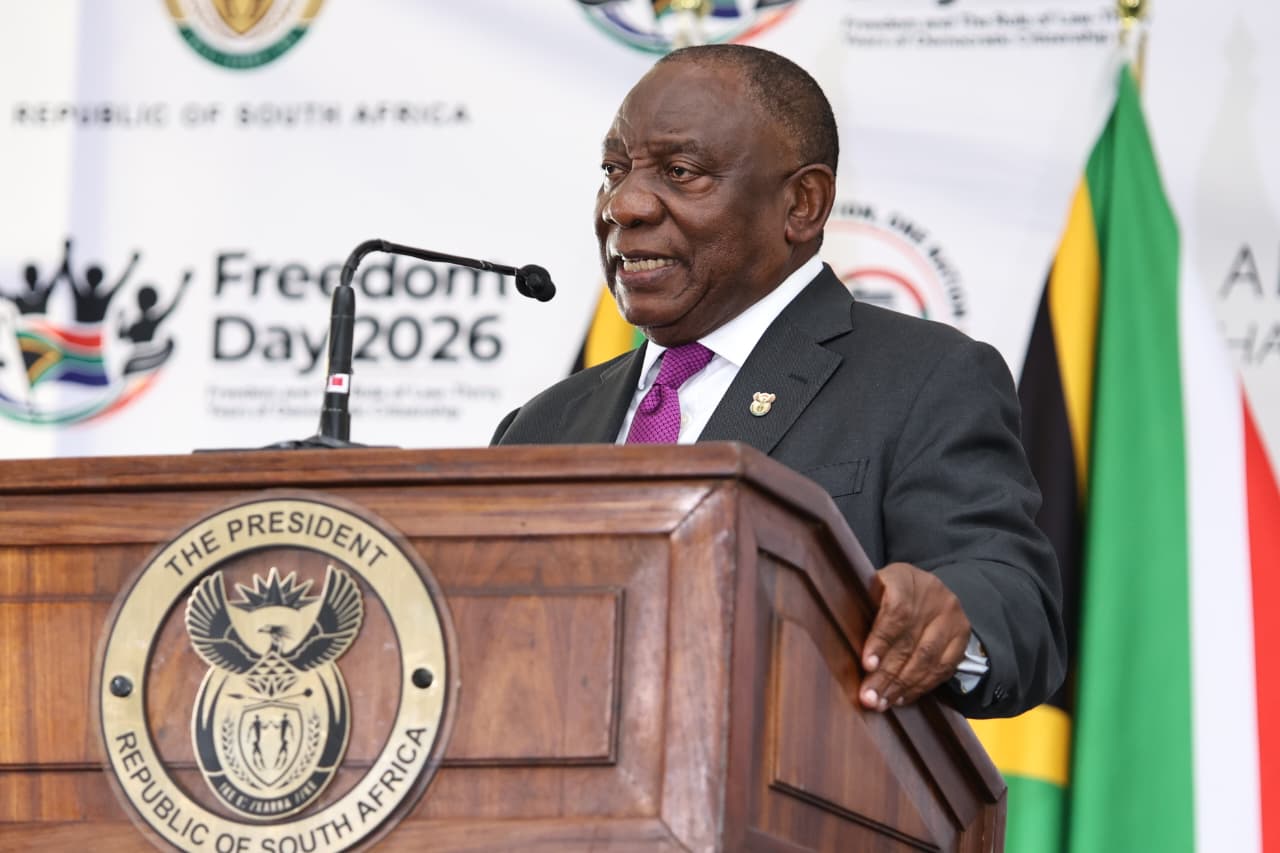
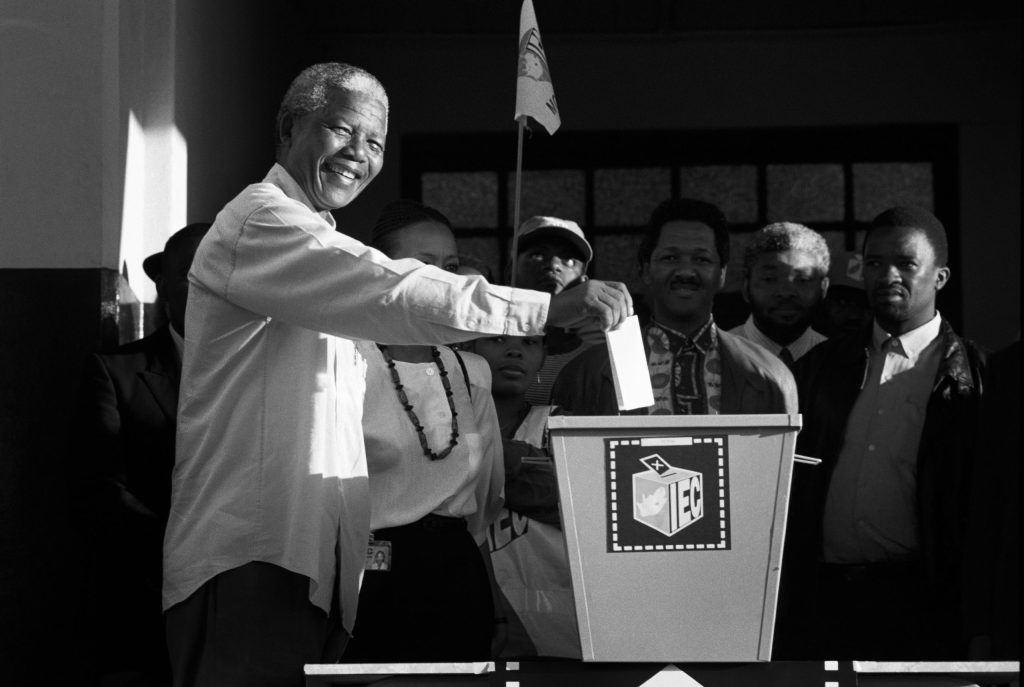
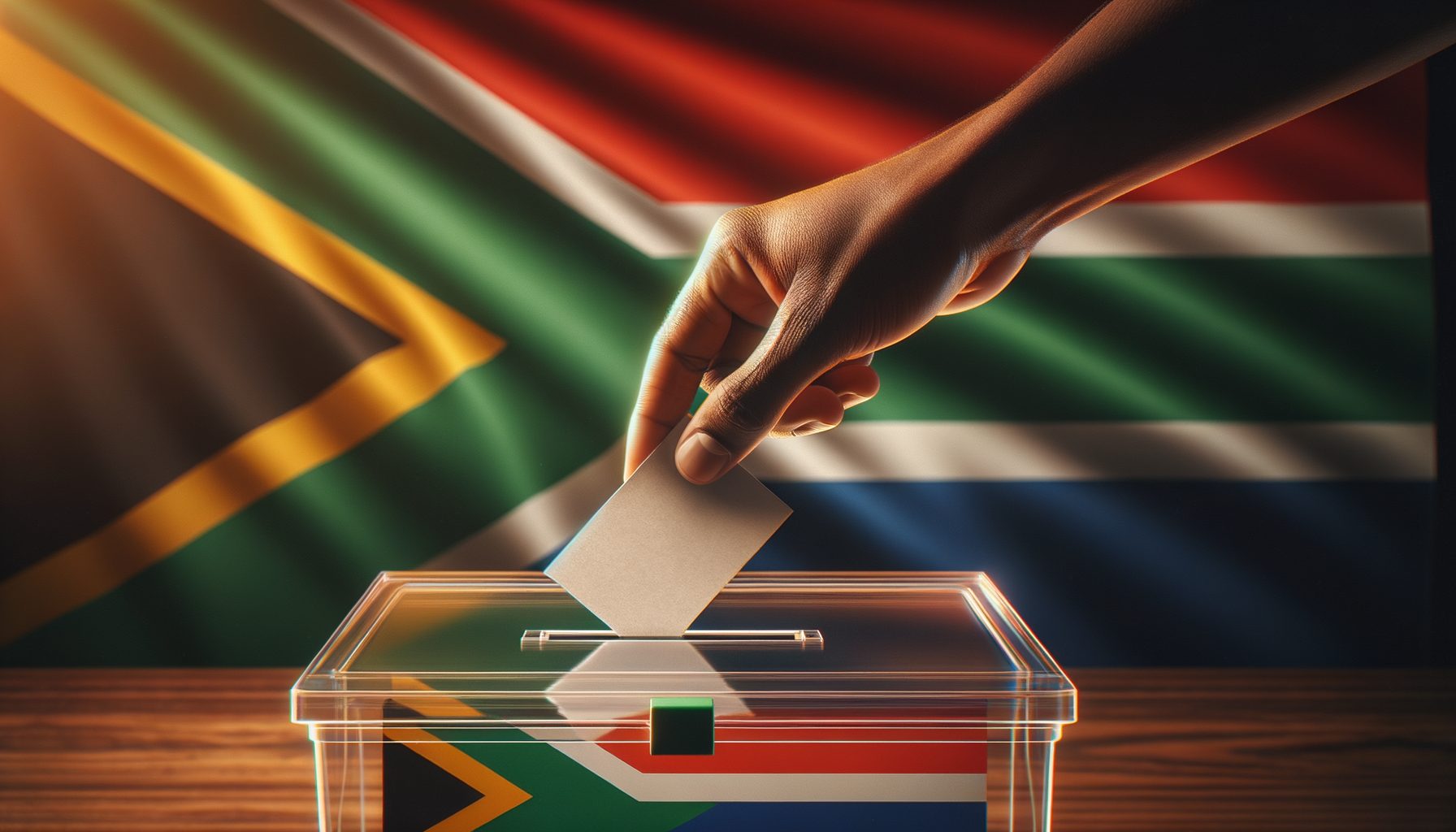
BLOEMFONTEIN – Communities across South Africa gathered on Monday to commemorate Freedom Day, marking 32 years since the country’s first democratic elections on 27 April 1994.
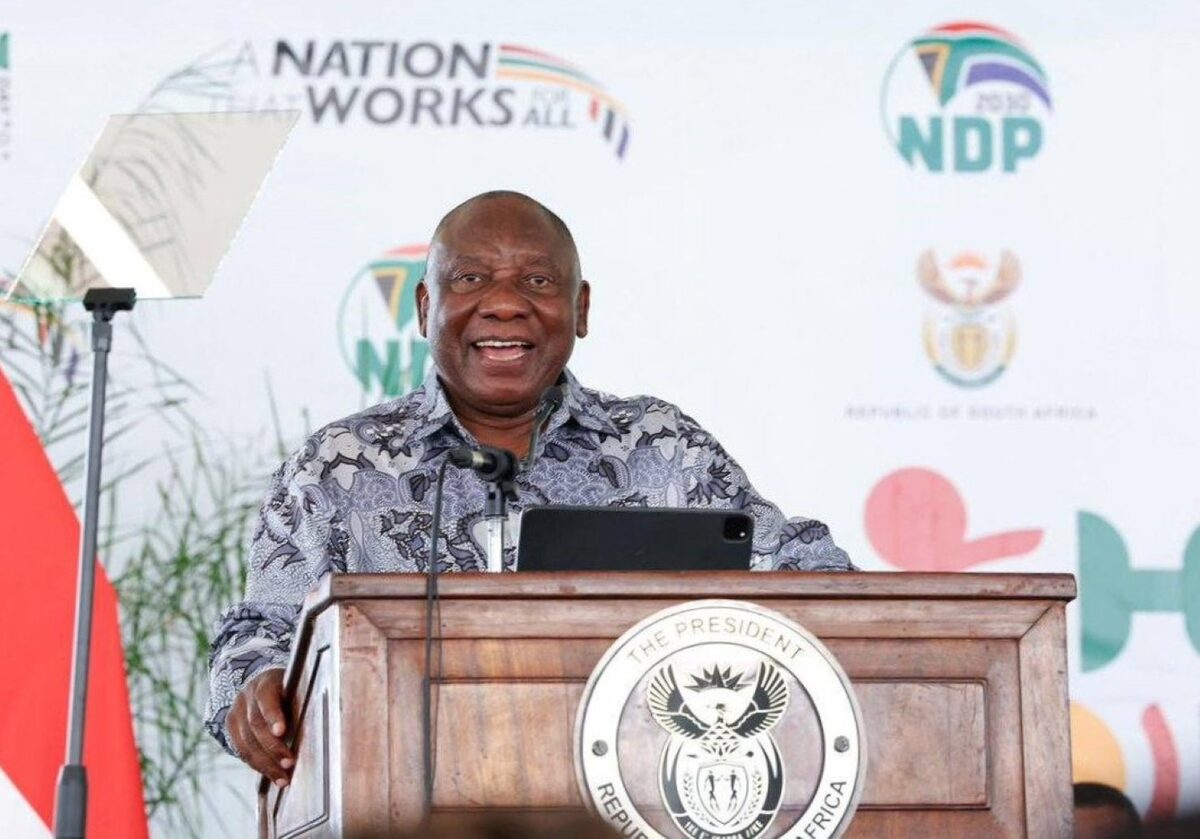
The main national event took place at the Dr Rantlai Molemele Stadium in Bloemfontein, where President Cyril Ramaphosa delivered the keynote address. Similar celebrations were held in all nine provinces, led by provincial premiers.
This year’s Freedom Day is commemorated under the theme “Freedom and the Rule of Law: Thirty Years of Democratic Citizenship”, highlighting three decades since the adoption of the Constitution.
In his address, Ramaphosa reflected on the significance of that historic day in 1994.
“The morning of 27 April 1994 did not begin like an ordinary day. It began with great anticipation, excitement and a determination by millions of South Africans to participate in the birth of a nation,” he said.
More than 20 million South Africans participated in the first democratic election, many standing in long queues before sunrise, exposed to heavy rain and burning sun, to cast their votes for the first time.
Ramaphosa said it was an honour to mark the occasion in Bloemfontein, where the African National Congress was founded in 1912. “This is a province that suffered terribly the cruelty of colonialism and apartheid,” he said, referencing the thousands who died in British concentration camps during the Anglo-Boer War and the province’s history of resistance.
He highlighted the 1913 women’s resistance against pass laws in Jagersfontein, Winburg and Bloemfontein, and the Witsieshoek Peasants’ Revolt of 1950 against apartheid land control policies.
The president also honoured the memory of Mosiuoa “Terror” Lekota, the first premier of the Free State and liberation struggle stalwart, who was laid to rest last month. “He was a brave and principled leader who served this country with distinction.”
Ramaphosa recounted how the people of Brandfort sheltered Winnie Mandela when she was banished there in 1977. “The apartheid rulers thought they were isolating her and breaking her spirit. The people of Brandfort did something remarkable: they did not let that voice fade. They carried it. They strengthened it,” he said.
The president outlined the progress made over 32 years, including expanded access to healthcare, housing, education, water and electricity. He noted that South Africa recorded its highest matric pass rate in history last year, and that the National School Nutrition Programme feeds more than nine million learners daily.
However, Ramaphosa acknowledged significant challenges remain. “Failing water infrastructure, collapsing municipalities and deteriorating services are not mere inconveniences. They directly affect the quality of daily life. They constrain the growth of businesses and the creation of jobs,” he said.
The Government of National Unity is focused on driving inclusive growth and job creation, reducing poverty and tackling the high cost of living, he said. “We are removing obstacles to investment, making our economy more competitive and fixing key state-owned enterprises like Eskom and Transnet.”
On corruption, Ramaphosa was firm: “Every rand stolen is an attack on our democracy. Every project that is not completed is a betrayal of a community. We will not rest until those who have hollowed out our institutions are held to account.”
The president addressed gender-based violence, referencing last year’s Free State Men’s Indaba. “South Africa does not need a so-called new generation of men. It needs the men and boys of this generation to do better, and to be better. We need men who are protectors of women, not perpetrators.”
On migration, Ramaphosa said South Africa must uphold ubuntu whilst enforcing the law. “We should never allow the legitimate concerns of our communities about illegal migration to breed prejudice towards our fellow Africans. We must not allow these concerns to give rise to xenophobia,” he said, whilst emphasising the government’s commitment to clamping down on illegal migration and corruption in the immigration system.
Seipate Moeti from Botshabelo reflected on the significance of the day. “To me, celebrating Freedom Day means a lot. We fought for our freedom. Today South Africa is a free country. Unfortunately many paid a heavy price for our freedom.”
Israel Molantoa echoed these sentiments, noting that many lost their lives in the struggle for freedom. “Today as South Africans, we are enjoying the benefits of our freedom,” Molantoa said.
Ramaphosa concluded with a call to action: “The freedom we enjoy today was not handed to us – it was fought for by our people and secured forever by our Constitution. Let us protect it. Let us uphold it. Let us live by it.”

You must be logged in to post a comment.