
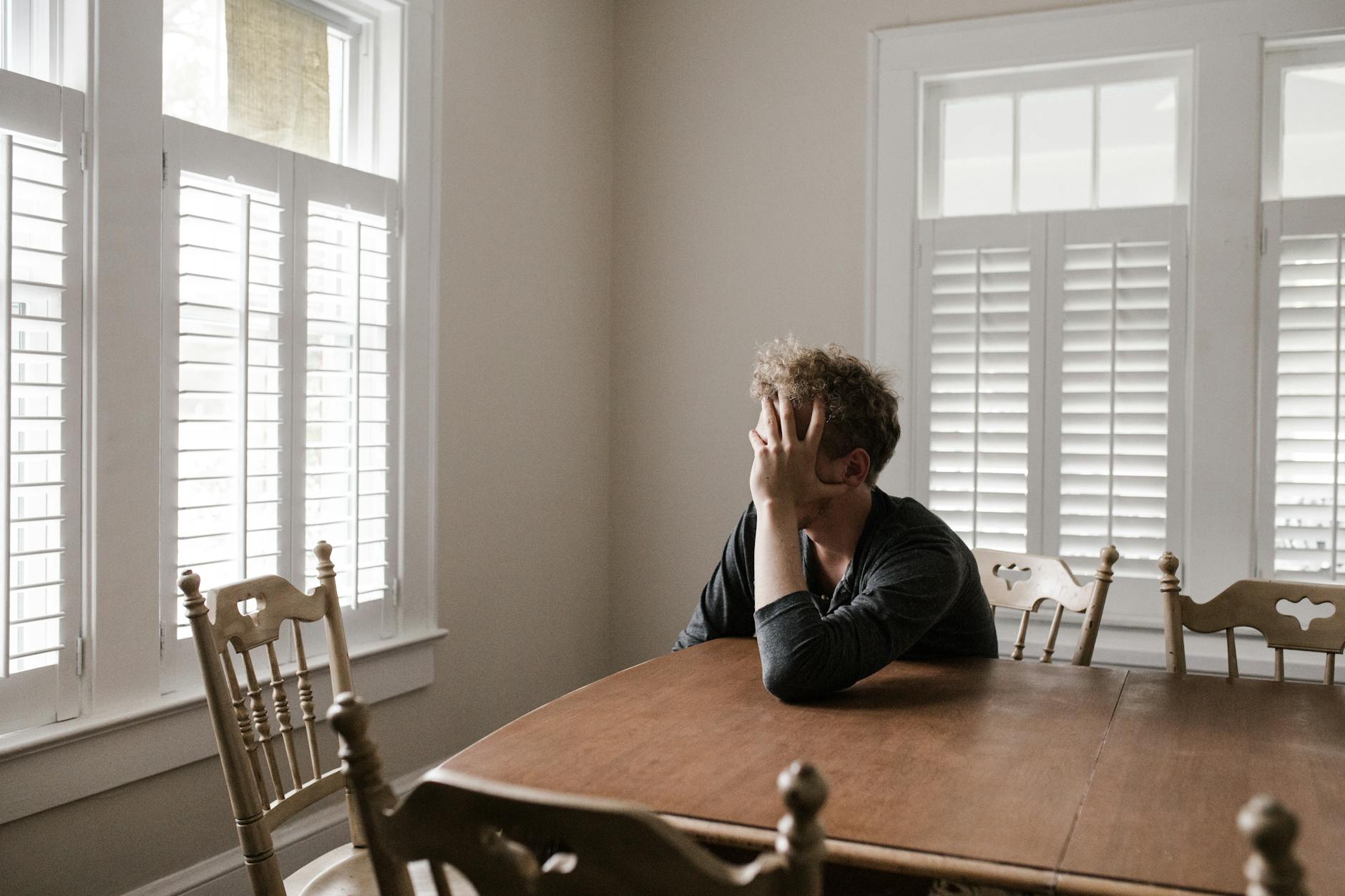
Mental health affects every part of our life – from how we think and feel to how we work, connect, and cope. October is Mental Health Awareness Month − a time to talk openly, support each other, and break the silence around emotional wellbeing.
This year’s theme is Strong Minds Matter, reminding us that mental health is just as important as physical health. Whether you are a parent, teacher, mine worker, student, or community leader, your mental wellbeing matters, and so does the wellbeing of those around you.
Mental health is our ability to handle stress, build relationships, and make decisions. When we are mentally well, we feel motivated, connected, and resilient.
When challenges arise, we may feel tired, anxious, withdrawn, or overwhelmed. These are signs that we need support, and that is okay.
Mental health challenges are common and treatable. They do not mean you are weak; they prove that you are human.
Depression is real
Depression is more than sadness. It is a medical condition that affects mood, energy, and daily functioning.
Symptoms include persistent low mood, loss of interest, sleep changes, and feelings of guilt or hopelessness.
It is not just a bad mood, it is real and help is available.
Stigma
Stigma is the shame or judgment people face when they talk about mental health. It can come from others or from ourselves.
Some believe that asking for help is a sign of weakness, especially among men or in tough work environments. But the truth is: Talking about mental health is brave and healing.
Replace silence with support. Create spaces where people feel safe to speak up.
Stress
Stress is a normal response to pressure. When it builds up without rest or support, it can lead to burnout − exhaustion, numbness, and loss of motivation. Rest is not laziness. It is recovery.
Take breaks. Talk it out. Your wellbeing matters.
ALSO READ: Help freely available for sufferers; family members of substance abuse
Strong communities check in, not just carry on. A simple “how are you?” can change someone’s day. Whether in a classroom, clinic, church, or workplace, peer support helps people feel seen, heard and valued.
Therefore, train peer supporters. Start meetings with check-ins. Look out for each other.
Asking is a step forward
Mental health support is available through counselling, friends, helplines, and community groups. Asking for help is not a weakness − it is a step toward healing.
Famsa can help, and Famsa can speak kindly and listen deeply. Share support contacts. Normalise asking for help. Encourage rest and check-ins. Break stigma, one conversation at a time.
Let us build strong minds, strong families, and a stronger community.
- Call Famsa on 053 723 1564.