

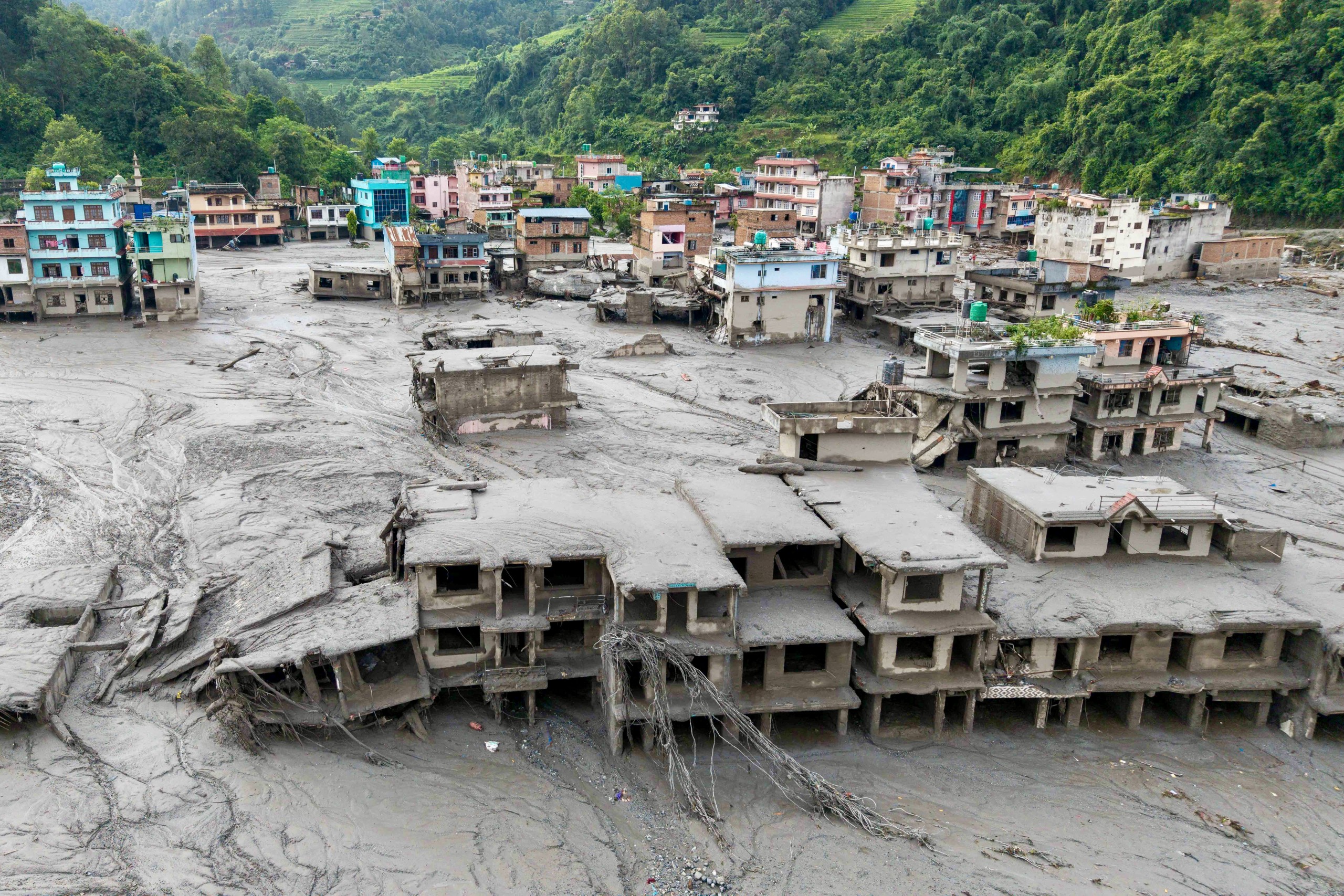
Nepali soldiers battled on Friday to reach 100 people trapped in a tunnel two days after deadly floods swept across the region, as the risk of new torrents forced China to halt rescue efforts at its hardest-hit zone in Tibet.
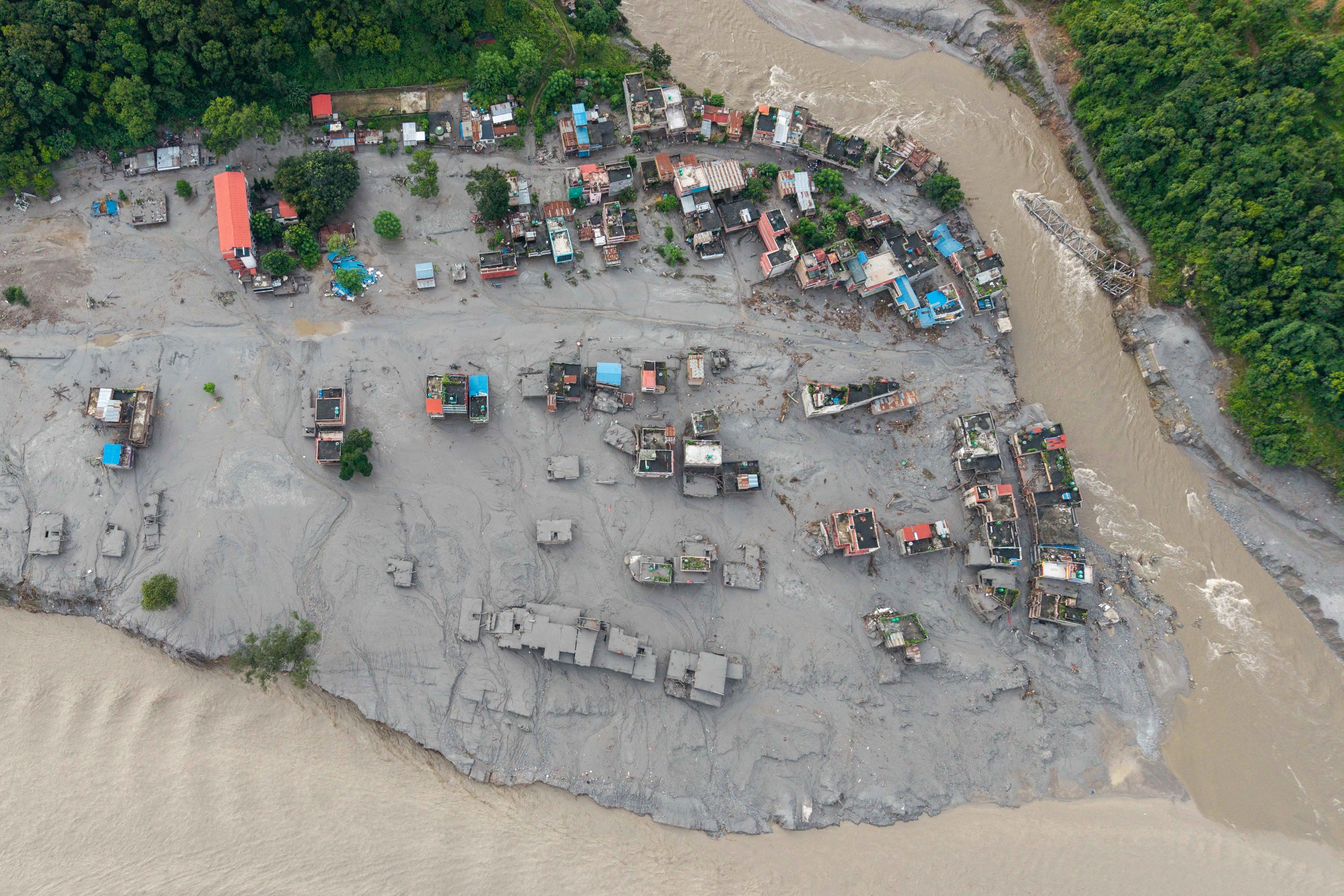
Emergency teams have recovered 472 bodies after a wall of freezing water and mud crashed down on Wednesday, burying homes, smashing bridges and sweeping away vehicles in both Nepal and Tibet.
More than 1 400 people are missing, including trekkers in the Himalayas and scores of Hindu pilgrims to Tibet’s sacred Mount Kailash.
The US Geological Survey said the disaster was caused by a glacial collapse that triggered a vast flow of icy debris. The event marks the deadliest disaster for Nepal since a 2015 earthquake.
Tunnel rescue efforts prove challenging
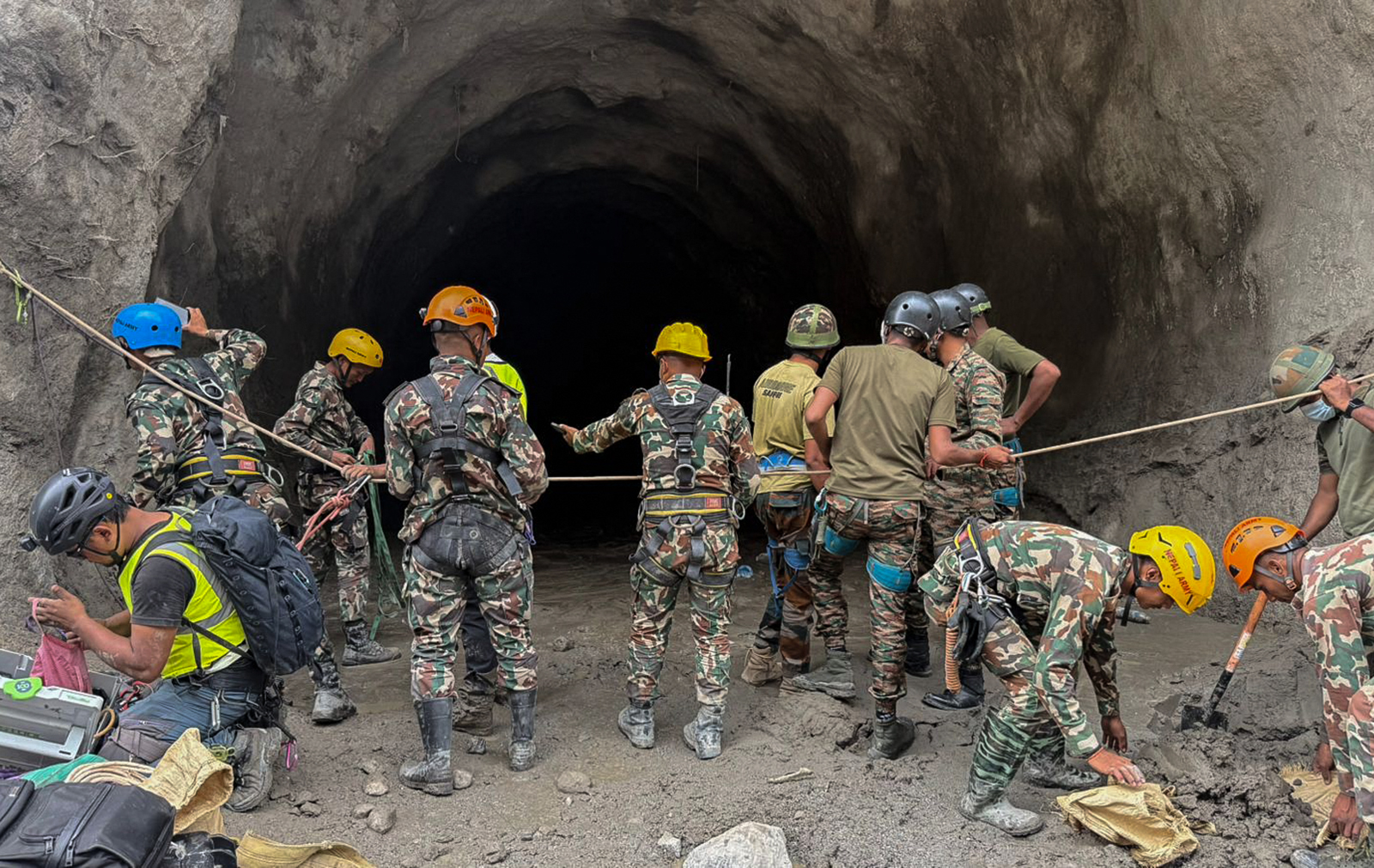
The Nepali military was seeking to reach people trapped in the tunnel of the Trishuli 3A hydropower project, army spokesman Raja Ram Basnet said.
“Two helicopters have been dispatched but it is challenging because it is tough to even locate the entry points of the tunnel,” he said.
Some 350 workers and residents have been brought to safety from the tunnel, he added, but efforts were ongoing to extract more than 100 people trapped in the same area.
China halts operations as new flood risk grows
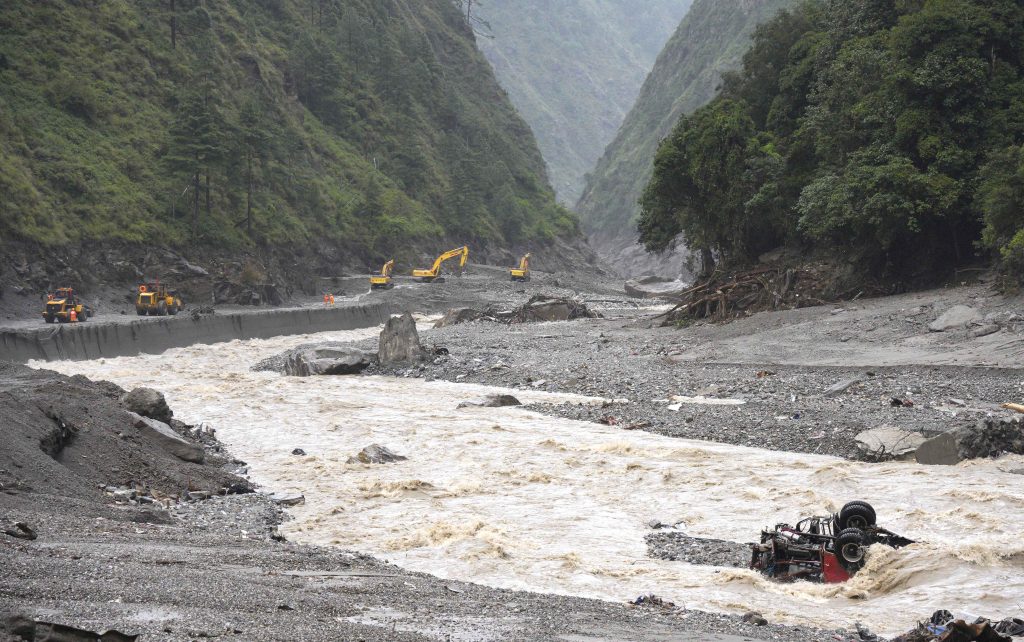
China paused its rescue operation at the hardest-hit part of Tibet over renewed risks of flooding, state media said.
A lake formed by immense piles of debris after a mudslide hit the China-Nepal border has begun overflowing towards the Gyirong border area that rescue teams were headed, state broadcaster CCTV said.
“All rescue teams have been ordered to stand by in place and wait for further instructions,” it said.
Emergency teams which had earlier accessed the area “have been ordered to withdraw one kilometre”, the broadcaster added.
Kathmandu’s Flood Forecasting Division issued a special notice warning of a growing lake behind debris left by the landslide.
ALSO READ: Rescue teams search for 1 300 missing after deadly Nepal-Tibet floods
Survivors await news of missing loved ones
Survivors in a makeshift Nepali hospital endured a wait for news of their missing loved ones.
Kula Priya, whose eldest son is missing, said she had lost everything when the deluge hit.
“I don’t care for wealth. I just want my son back. If any of you could rescue my son, please do it for me,” she said.
“I don’t know where to go. We had three houses, all of which were washed away by the floods.”
Nepali police have reported a death toll of 469 people. In India, authorities said they had recovered seven bodies from rivers flowing from Nepal, believed to be flood victims.
There are 910 people, including 517 foreign tourists, who are out of contact in Nepal. Indians make up the largest number of missing foreigners, while the United States said 90 of its citizens were out of contact.
Across the border in Tibet, officials say hundreds are missing and three died. Authorities said they had evacuated 555 stranded tourists and 499 Chinese residents from Tibet.
Logadarrsiny Raman (26), from Malaysia, said she lost contact with her parents, aunt and uncle, who were on a pilgrimage to Mount Kailash.
Raman said the travel agency told her the last contact with the group of 17 Malaysians was on Wednesday morning, when they were travelling towards the Nepal-China border.
“I’m very anxious,” she said. “My only hope is to hear back from them that they are safe.”
ALSO READ: Experts: Glacier collapse may have caused Nepal-Tibet flooding


You must be logged in to post a comment.