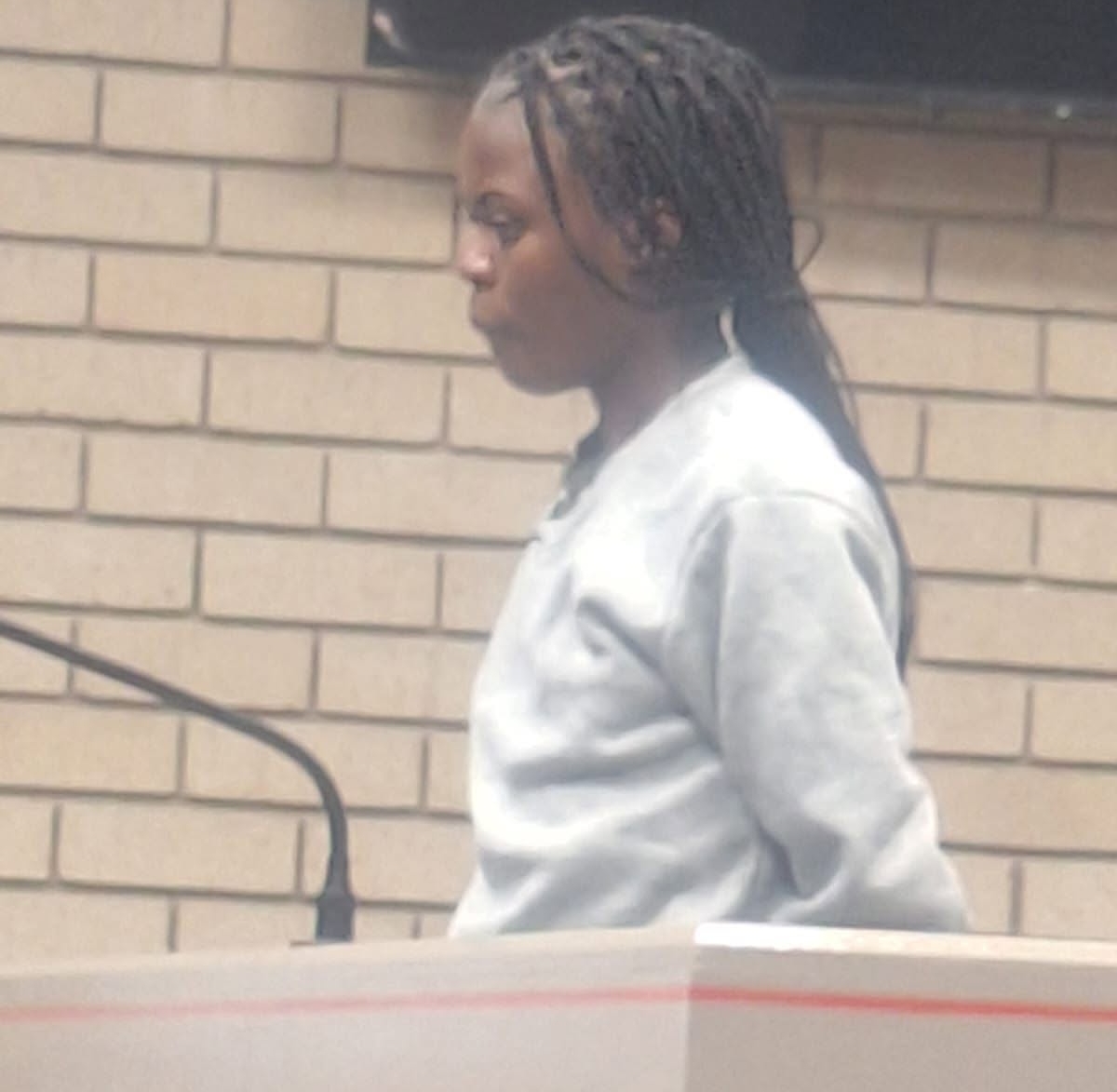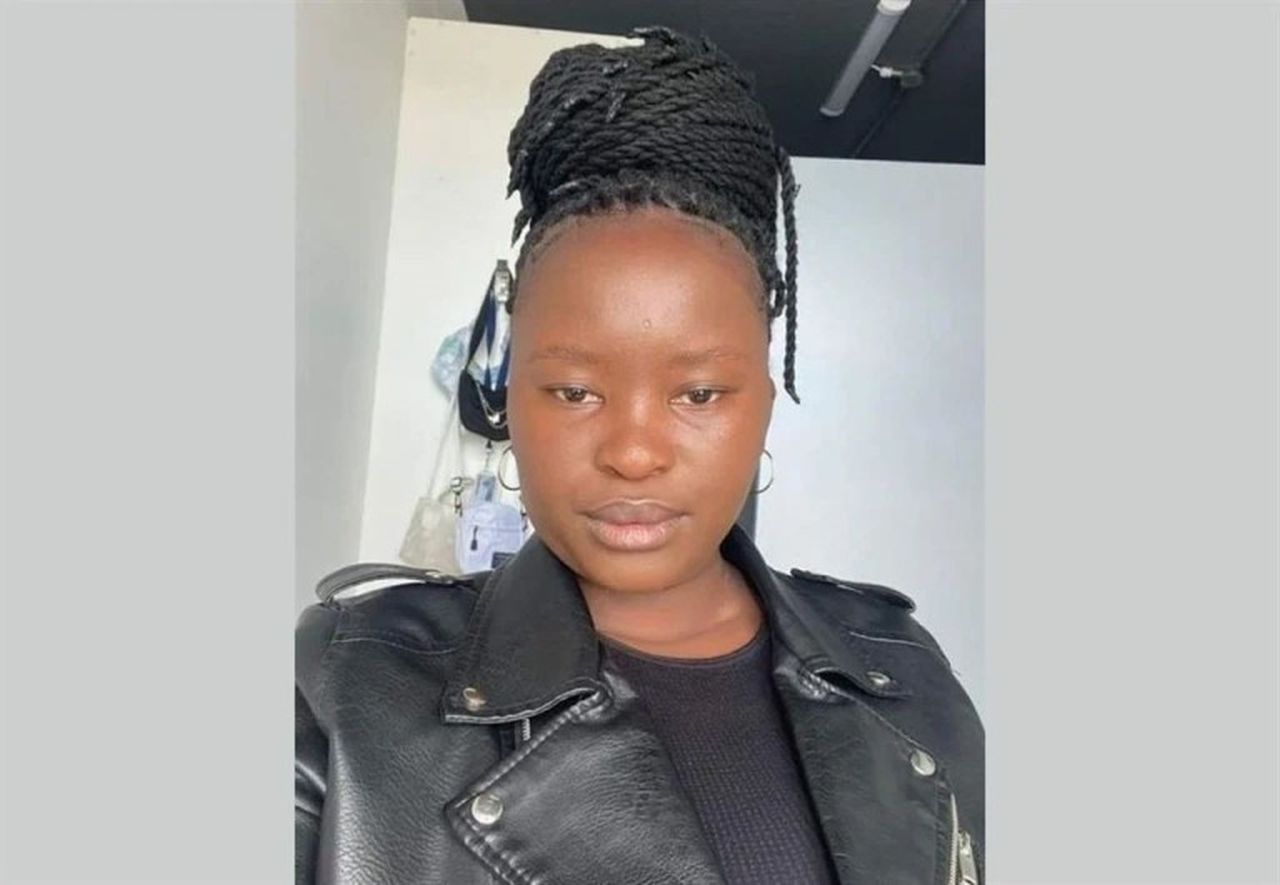
PAARL – The murder trial of 22-year-old student Asiphe Cetywayo from Mbekweni eventually got underway on Monday (28 September) in the Paarl Regional Court, after more than two years of delays.
Cetywayo’s burnt body was found by cattle herders in an open field next to the Bo Dal Road on 4 March 2024.
Mbekweni police previously said when Cetywayo was found “She had burns on her upper body, blood around her nose and her face was swollen”. At the time of her death Cetywayo, from Phola Park in Mbekweni, was a final-year education student at Cape Peninsula University of Technology (CPUT).
Shortly after the young woman’s body was discovered, a man, Luzuko Manzi with whom the deceased was last seen, was arrested. They were allegedly last seen together in his car at a nearby tavern on 2 March 2024. Another man Mlungisi Manzi, was later also arrested in connection with the murder. Police tracked him down to a family member’s residence in Langa where he went into hiding.
The men, who are cousins, have since remained in custody. The trial continues on Thursday (1 October).
Paarl Post previously reported that the prosecutor indicated the state planned to call at least 12 witnesses, including a forensic pathologist and DNA analyst, to testify during the trial.
ALSO READ: Slain Mbekweni student’s murder case set for trial in September next year
On Tuesday evening President Cyril Ramaphosa addressed the nation regarding the killings of women in Ekurhuleni and the national response to gender-based violence and femicide that have been rife in South Africa.
“The violence being perpetrated against women in this country is inhuman,” Ramaphosa said.
“Behind each of these terrible deaths was a human being – a daughter, a mother, a sister, a friend – whose life had value, whose future mattered and whose absence has left a family and a community grieving. Across our country, women are living with the terrible fear that they may be next. No woman should have to live with that fear.”
Ramaphosa went on to elaborate on government’s “four immediate measures” plans to end gender-based violence and femicide. This include: a national operation to recover unresolved cases of murder, attempted murder, rape and serious sexual offences involving women and children; a funded plan to clear forensic backlogs; mandatory women’s safety audits by municipalities to identify and address high-risk areas; and a coordinated legislative and enforcement package to reduce alcohol-related violence. The measures include clear deadlines, assigned responsibilities and quarterly public progress reports.