

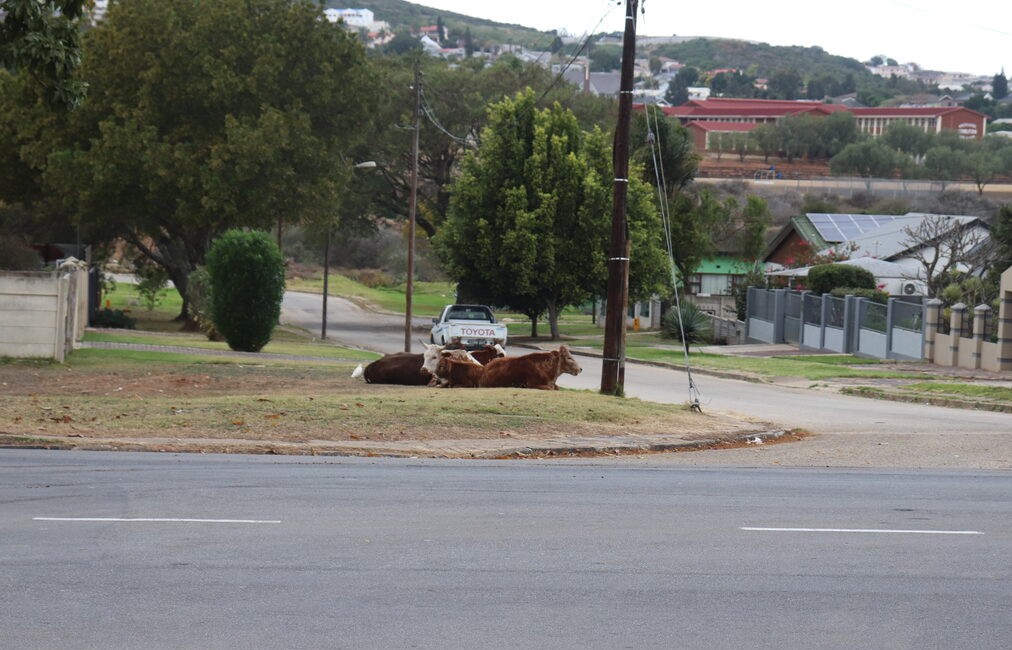
GQEBERHA – Free roaming animals that pose a risk to motorists and compromise the health and hygiene of residents will soon be a thing of the past, following the appointment of a three-year service provider to manage the Municipal Pound, though critics question whether outsourcing represents a sustainable solution to what has become an entrenched public safety crisis across Nelson Mandela Bay.
The appointment, confirmed during the first week of January 2026 following what officials described as a comprehensive Supply Chain Management process, effectively terminates the municipality’s interim partnership with the SPCA and signals a significant shift towards privatised animal control services — a move that has raised questions about municipal capacity and long-term strategic planning.
Nelson Mandela Bay Municipality spokesperson Sithembiso Soyaya defended the decision, stating: “The appointment of this dedicated service provider represents a major step forward in our commitment to public safety and animal welfare. We can no longer afford to rely on temporary arrangements when residents face daily risks from uncontrolled livestock on our roads.”
The newly operational Municipal Pound will accommodate dogs, cats, and livestock including cattle, sheep, goats, and pigs found roaming illegally outside protected farming areas or beyond legally designated residential boundaries — animals that Executive Mayor Babalwa Lobishe described as posing “serious risks to road users and residents.”
However, what remains unclear is whether this three-year contract addresses the underlying factors contributing to what has become a persistent problem across informal settlements and under-resourced communities throughout the metro.
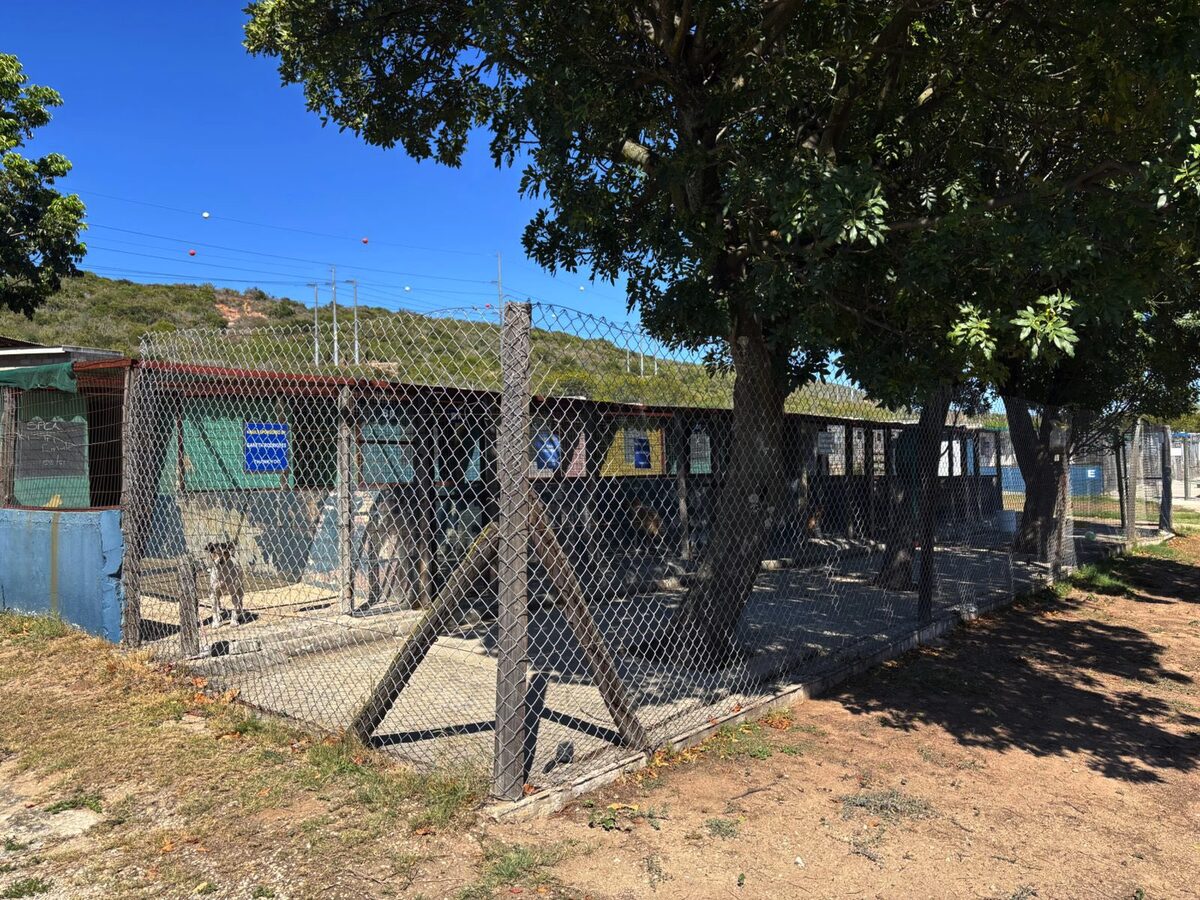
The municipality is currently collaborating with the Department of Agriculture’s Veterinary Services to upgrade the pound facility, with plans to establish a fully functional animal clinic that will seek registration with the South African Veterinary Council.
For now, residents must rely on a state veterinarian available on-call for emergencies and health assessments.

Soyaya emphasised that these upgrades form part of a broader strategy: “This is not merely about impounding animals — we are building infrastructure that will provide comprehensive veterinary services whilst addressing the root causes of animal control violations.”
Yet questions persist about why such infrastructure was not developed during the municipality’s previous arrangement with the SPCA, and whether the three-year timeframe provides sufficient stability for long-term planning.
The municipality’s animal control responsibilities are governed by the Nelson Mandela Bay Municipality Animal Control By-law, the Animals Protection Act of 1962, the Municipal Systems Act of 2000, and road safety legislation prohibiting livestock from roaming on public roads and motorways.
Under these regulations, the Municipal Animal Control Unit, operating under the Directorate of Public Health, has deployed trained animal rangers authorised to remove non-compliant animals.
Impounded animals may be reclaimed upon payment of prescribed fees, which serve both as penalties and contributions towards animal care costs.
“The enforcement of these by-laws is not about punishment, but about preventing accidents, protecting public health and ensuring the humane treatment of animals,” Mayor Lobishe stated, though ward councillors have previously raised concerns about residents’ capacity to comply with regulations given inadequate infrastructure and limited resources.
The transition to a private service provider comes as municipalities across South Africa grapple with budget constraints and service delivery challenges. Critics have questioned whether outsourcing essential services represents sustainable governance or merely shifts responsibility without addressing systemic issues.
Soyaya acknowledged these concerns but maintained that the arrangement offers improved accountability: “This contract includes specific performance indicators and regular monitoring to ensure service delivery standards are maintained. Residents deserve professional, reliable animal control services.”
What remains to be seen is whether this privatised approach will prove more effective than previous arrangements, particularly given the complex socio-economic factors underlying animal control violations across Nelson Mandela Bay’s diverse communities.
• Residents can report stray animals or by-law violations by contacting the
Municipality on 041 506 5413 or the 24-hour Service Delivery Line on 0800 20 50 50.



You must be logged in to post a comment.