

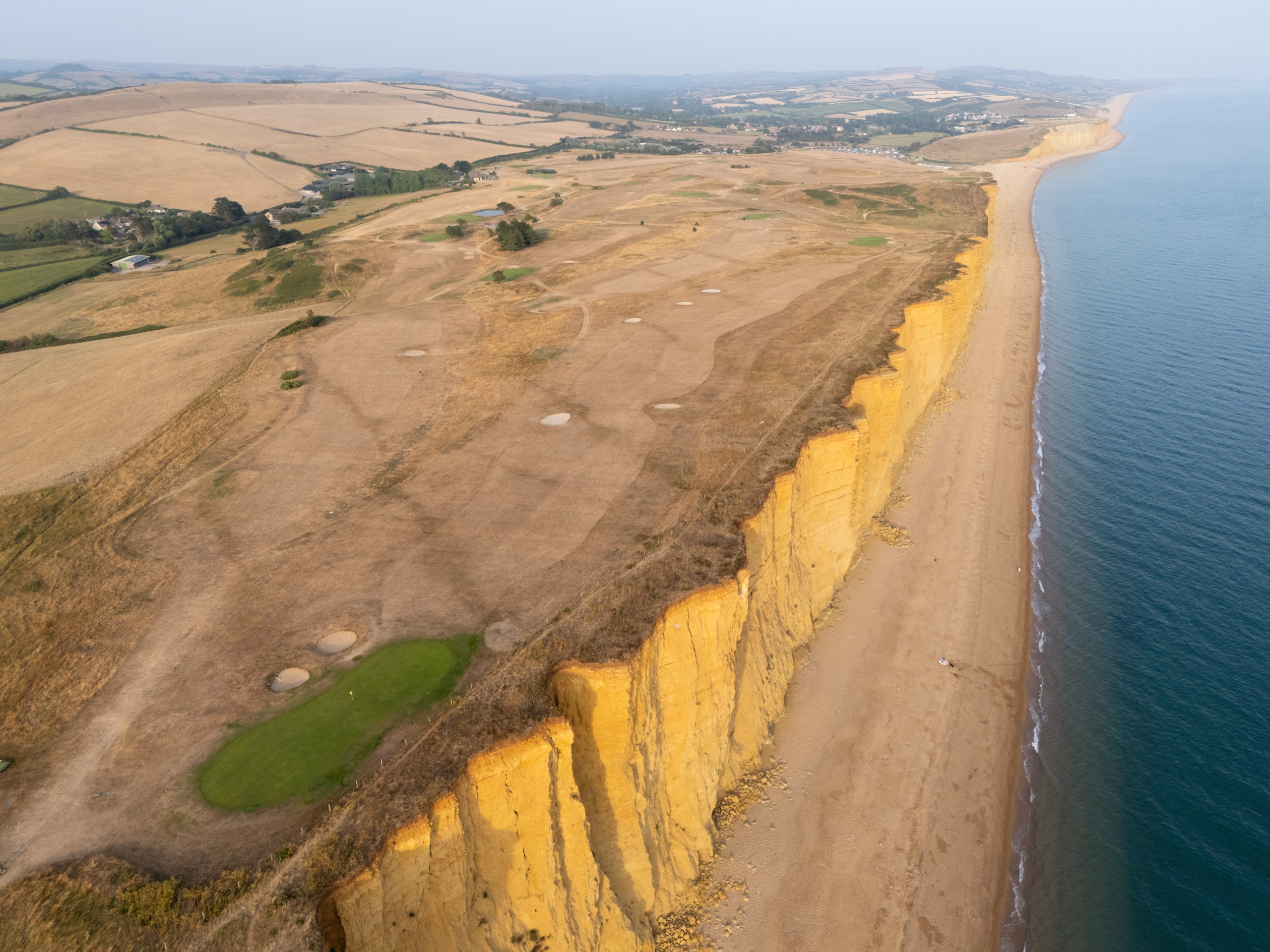
More than half of England is now officially in drought following weeks of record-low rainfall and soaring temperatures, the UK government announced on Wednesday.
The drought declaration covers 51.4% of the country, affecting seven regions including London, East Anglia, southwest England and the West Midlands. July 2026 is set to become the driest on record, with just 7% of expected rainfall nationwide and some southern areas receiving only 1% of normal precipitation.
Flash drought strikes for second consecutive year
The Environment Agency described the situation as a “flash drought” – a rapidly developing water crisis caused by minimal rainfall combined with exceptionally high temperatures. This marks the second consecutive summer that parts of England have faced drought conditions.
The UK is currently experiencing its fourth widespread heatwave of 2026, compounding the water shortage crisis.
“Rivers are running low, farmers are having to harvest crops early, wildfire risk is increasing, and millions of people are living under restrictions on water use,” the Environment Agency stated.
National response and water restrictions
The National Drought Group, comprising meteorological officials, government ministers, regulators, water companies and farming representatives, met on Tuesday to assess the crisis. Water companies have been ordered to prioritise fixing leaks as part of the drought response.
Helen Wakeham, the Environment Agency’s director of water and chair of the National Drought Group, warned of serious long-term consequences.
“The hot and dry weather means we are currently using water faster than nature can replenish it. A second consecutive summer drought is an exceptionally serious situation and one that will have long-lasting impacts on our environment, wildlife, and the economy,” Wakeham said.
June temperature records revised upward
In a separate announcement on Wednesday, the Met Office confirmed that June saw both England and the UK hit a daily temperature record of 38°C for the month – higher than the initially reported 37.7°C after final readings were completed.
The combination of consecutive droughts, multiple heatwaves and record-breaking temperatures has raised concerns about water security and climate adaptation across the country.
ALSO READ: Two firefighters killed in Greece as Europe battles deadly wildfire season

