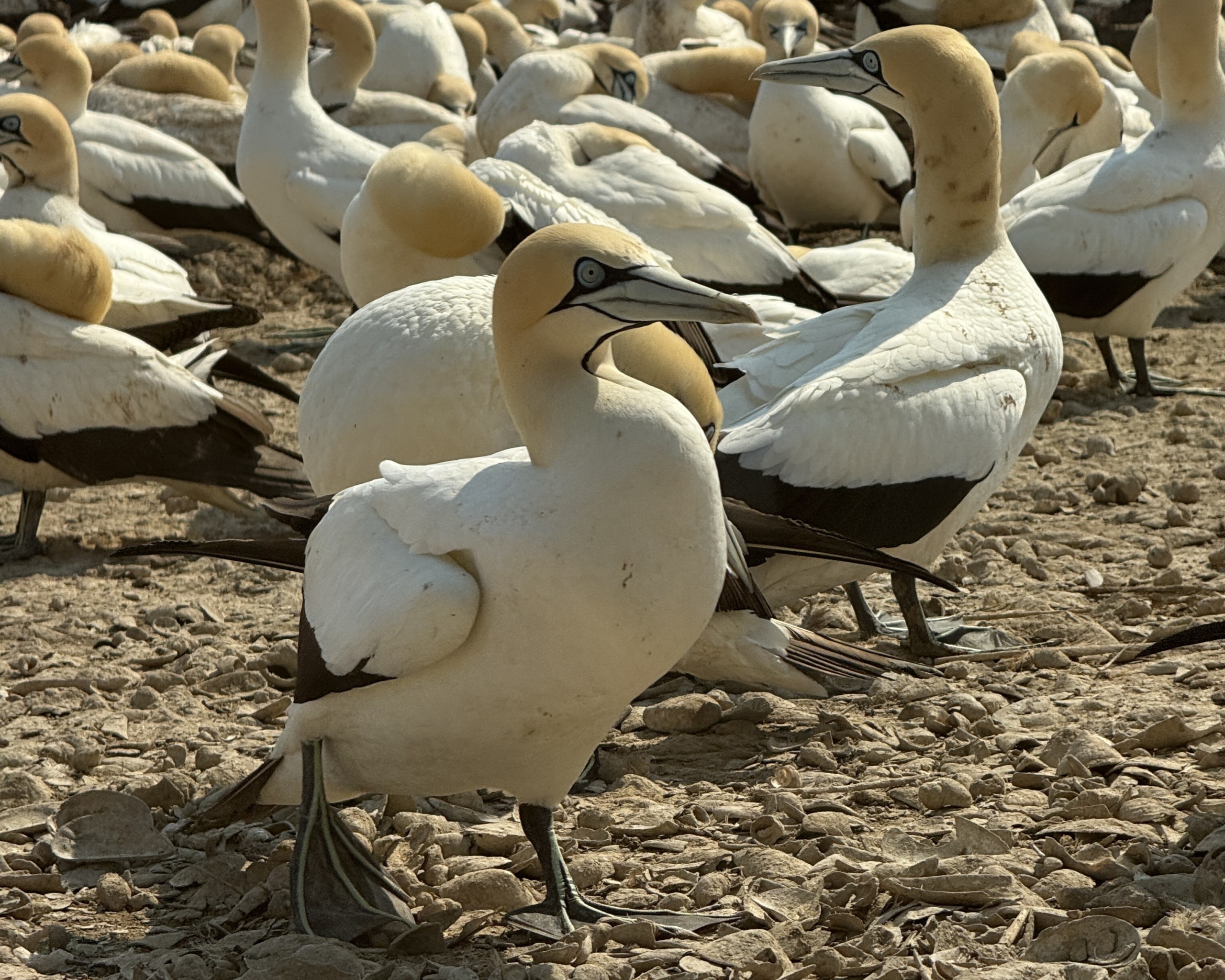
WEST COAST – More than 43 000 Cape gannets are breeding on Bird Island in Lambert’s Bay this season, marking a significant increase from population levels recorded over the past five years.
The colony, one of South Africa’s primary breeding sites for the endangered seabird, has consistently remained in the 30 000s over the previous five years but has now grown to well into the 40 000s.
Conservation authorities say the increase reflects both local breeding success and the arrival of gannets from other colonies choosing Bird Island as a preferred breeding location.
The Cape gannet is listed as endangered on the IUCN Red List and vulnerable on the SANBI Red List.
Dr Ashley Naidoo, CEO of CapeNature, said large, stable gannet colonies served as indicators of ocean health along the West Coast.
“These seabirds rely on healthy marine ecosystems for their nutrition and breeding success, so when we see them in large numbers, it reflects a positive conservation outcome,” he said.
The colony’s recovery follows a complete abandonment in December 2005 when on-land seal predation forced all birds to leave the island. CapeNature implemented predator management measures and used bird decoys to lure the gannets back.
Conservation teams are currently working to enhance population monitoring and improve long-term data accuracy.
To date, 7 647 fledglings have been recorded this season, with several weeks still remaining. The figure suggests this could be one of the strongest fledging seasons in recent years.
In partnership with the Department of Forestry, Fisheries and the Environment, rangers have ringed 750 gannet chicks and 250 adult birds this season for national seabird research and monitoring programmes.
Young gannets leave the colony to embark on a two to three-year ocean journey, returning only when ready to breed.
The island also supports Cape, crowned and white-breasted cormorants, common and greater crested terns, Hartlaub’s gulls and kelp gulls. A moulting penguin has taken temporary residence within the gannet colony.
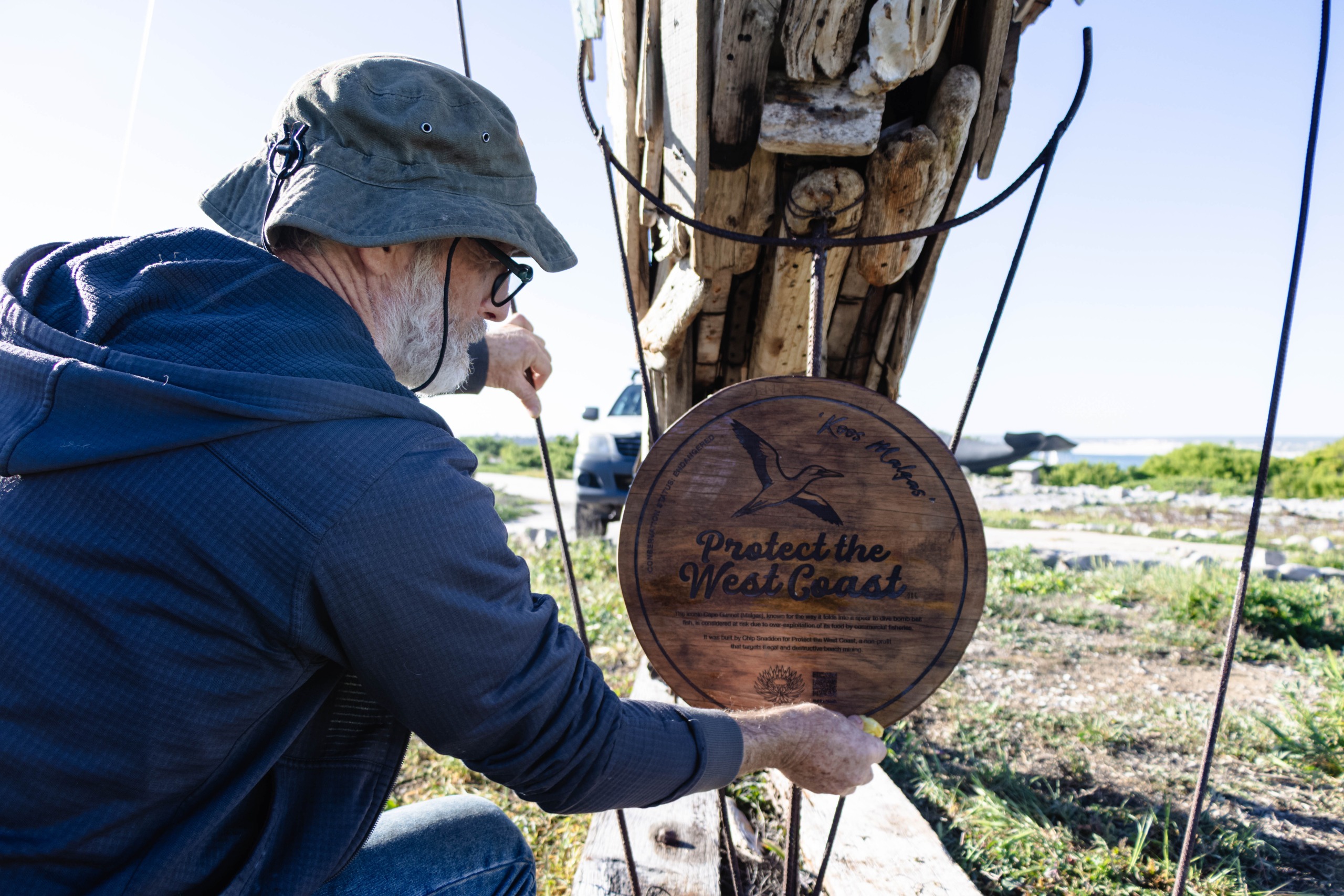
Bird Island’s interpretive signage was updated ahead of last year’s summer tourism season to provide visitors with information about the island’s inhabitants, history and the role of seabird colonies in marine ecosystems.