
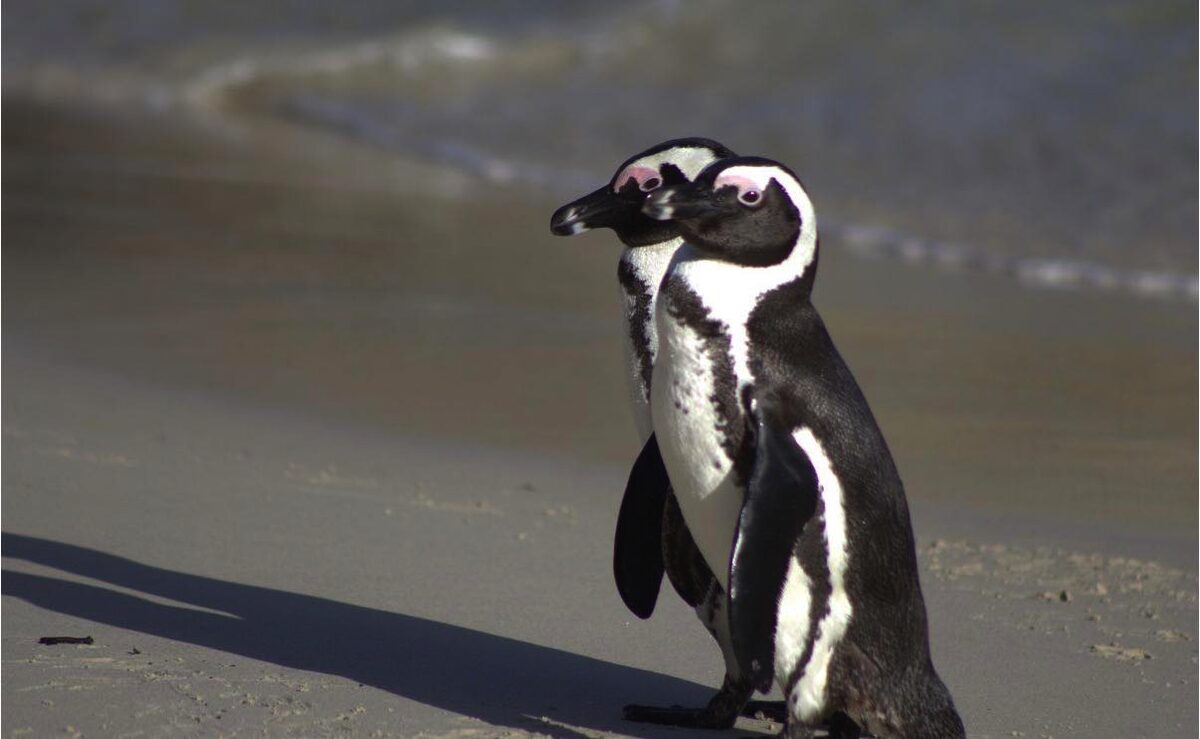
Cape Town has sounded the alarm on African penguin facing extinction. The City of Cape Town marked World Penguin Day on Saturday 25 April with a stark warning: the beloved African penguin is facing a fight for survival.
While the global event celebrates all 18 penguin species, local authorities said the African penguin – the only species native to South Africa and Namibia – was now among the most at-risk populations worldwide.
Following its 2024 uplisting to ‘critically endangered’ on the International Union for Conservation of Nature Red List, the species has seen a dramatic decline.
According to Deputy Mayor and Mayco member for Spatial Planning and the Environment, Eddie Andrews, fewer than 10 000 breeding pairs remained.
“Without drastic intervention, scientists predict this charismatic species could be extinct in the wild by 2035.”
A species vital to ecology and tourism
The African penguin is considered a keystone species, playing a critical role in maintaining the balance of marine ecosystems.
It is also a major drawcard for tourism, with colonies at Boulders Beach Penguin Colony and Robben Island attracting visitors from around the world.
Their presence supports local businesses, tour operators and the broader hospitality sector, reinforcing Cape Town’s reputation as a nature-based tourism destination.
Officials said the species was under pressure from a combination of environmental and human-related challenges.
Climate change was disrupting breeding and moulting patterns, with extreme weather events causing nest abandonment.
Food scarcity, driven by commercial fishing of sardines and anchovies, was forcing penguins to travel further for food, leaving chicks vulnerable to predators.
Urban pressures were also taking a toll, particularly in Simon’s Town, where penguins faced threats from domestic animals, traffic and human disturbance.
Rangers on the frontline
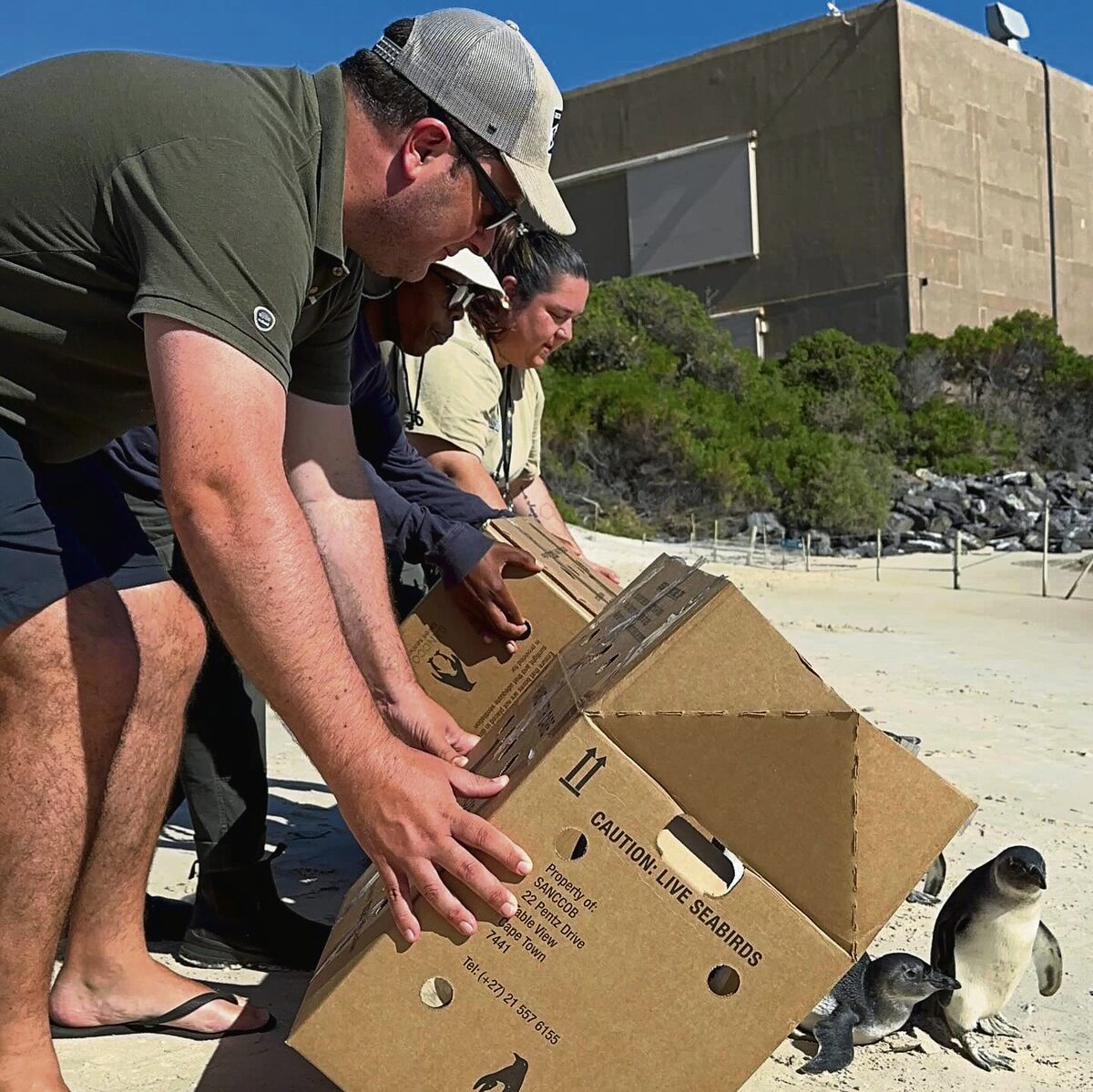
In response, the City has invested in a dedicated Penguin Ranger Team in partnership with The Southern African Foundation for the Conservation of Coastal Birds (Sanccob) and SANParks.
These rangers monitor nests, collect data on breeding success and respond to injured or distressed birds. Rescued penguins are taken to Sanccob, which has an 80% rehabilitation and release success rate.
Their work includes managing the delicate balance between humans and wildlife in urban coastal areas.
Despite the challenges, officials said extinction was not inevitable. “The 2035 extinction prediction does not have to be our reality,” said Andrews. “By working together, we can protect these iconic birds and preserve our coastline for future generations.”
As Cape Town marked World Penguin Day, the message was clear: saving the African penguin will require urgent action and collective responsibility.
How residents can help
Residents and visitors are urged to play an active role in protecting penguins by reporting injured or distressed birds to authorities rather than intervening directly.
The City encourages the public to send a WhatsApp message with a photo, description and location to the Penguin Ranger Team.
Emergency contact numbers include:
- City of Cape Town: 021 480 7700
- Simon’s Town Penguin Rangers: 064 844 9075
- Sanccob: 021 557 6155
READ ALSO: Sanccob tightens biosecurity as bird flu threatens seabirds