Microsoft CEO Satya Nadella is expected to testify on Monday in Elon Musk’s lawsuit against OpenAI, addressing emails that detail how his company funded the ChatGPT creator’s transformation from philanthropic organisation to for-profit artificial intelligence giant.
Nadella’s testimony will come before OpenAI boss Sam Altman takes the stand, likely on Tuesday or Wednesday, in one of the final stages of a closely watched trial before a federal jury in Oakland, California.
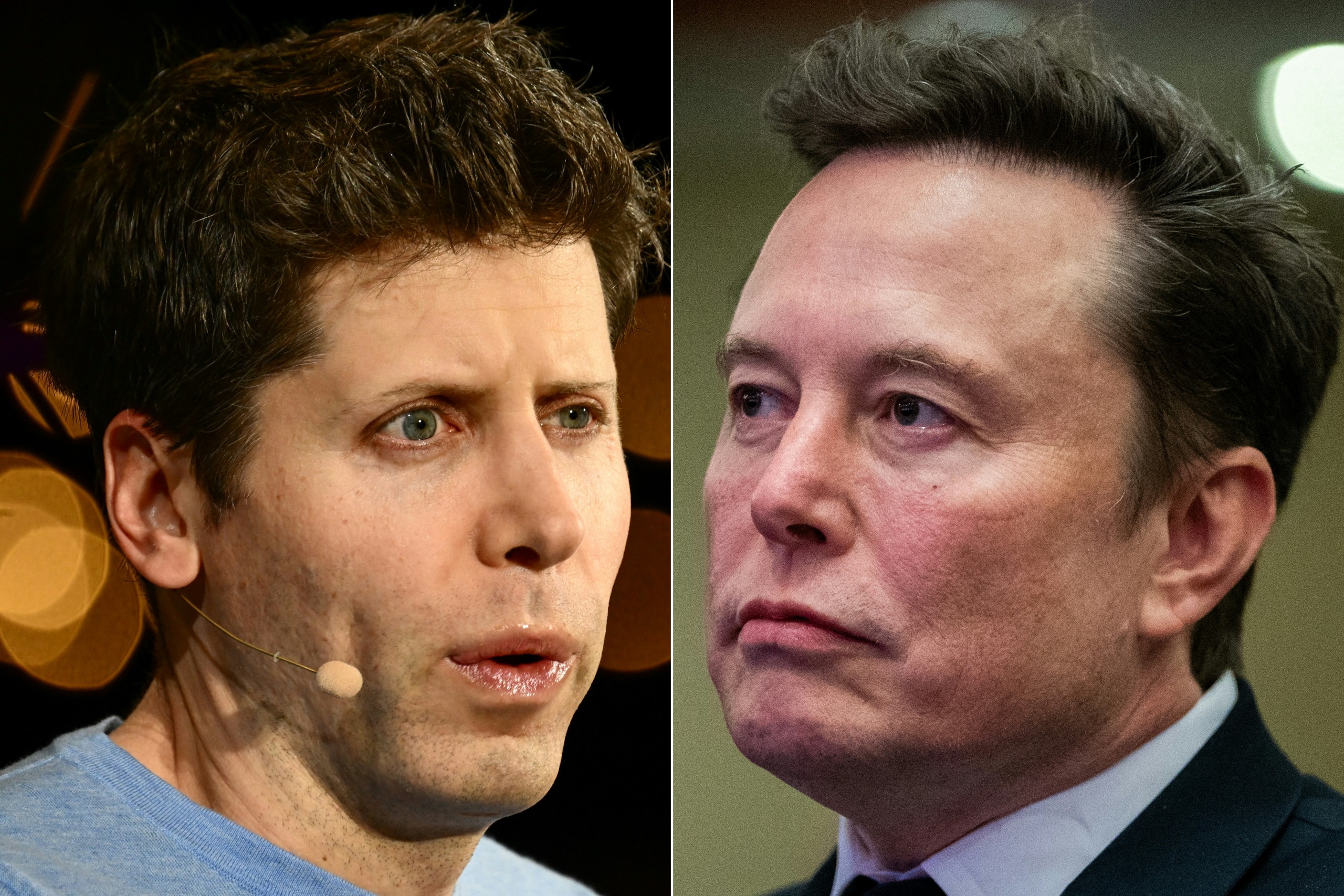
The trial has exposed internal conflicts within a circle of elite Silicon Valley engineers, investors and executives in the years leading up to ChatGPT’s high-profile launch in 2022.
Musk seeks to return OpenAI to nonprofit status
In his lawsuit, Musk accuses OpenAI of betraying its original nonprofit mission and misappropriating his founding donations totalling $38 million to build an empire valued at over $850 billion.
The Tesla and SpaceX founder wants OpenAI to revert to its original status as a nonprofit, a move that would affect its position in the global artificial intelligence race against Anthropic, Google and China’s DeepSeek.
OpenAI maintains that Musk left voluntarily after failing to seize majority control and has since become the company’s direct competitor through his own AI venture, xAI.
Jury to deliver verdict next week
An advisory jury is expected to reach a verdict on any wrongdoing by the week of 18 May.
Judge Yvonne Gonzalez Rogers will then make the final ruling on both liability and remedies after hearing the jury’s opinion. She has indicated she will likely follow their advice.
If Gonzalez Rogers sides with Musk, OpenAI’s initial public offering could be jeopardised.
Microsoft emails reveal investment strategy
On Monday, Musk’s lawyers are expected to argue that Microsoft, by investing in OpenAI in 2019, knew it was helping divert a nonprofit foundation from its original purpose.
They will rely on recently disclosed Microsoft emails from January 2018 to show that the tech giant only opened its chequebook once a profit appeared possible.
In the emails, Nadella consulted his executives about a discount granted to OpenAI to use the computing power of Azure, Microsoft’s cloud-computing platform.
“Overall I can’t tell what research they are doing and how if shared with us it could help us get ahead,” Nadella wrote. “From what Elon is telling everyone, he feels Open AI is at verge of some big AGI (artificial general intelligence) breakthroughs.”
Scepticism predominated at the time, with Microsoft chief technology officer Kevin Scott fearing OpenAI might “storm off to Amazon in a huff”.
OpenAI creates for-profit subsidiary
In the months that followed, cash-strapped OpenAI established a for-profit subsidiary to attract investments, rather than relying solely on donations.
In 2019, a year and a half after turning its back on the start-up, Microsoft finally invested $1 billion. It would ultimately inject $13 billion in total, a stake now valued at $228 billion, 17 times the initial investment.
Co-founder testimony reveals money motive
The trial has already heard compelling testimony.
Last week, co-founder Greg Brockman, whose stake in OpenAI is valued at $30 billion, came under fire about his 2017 diary entries, including one in which he appeared keen on “making money for us”.
Musk’s lawyers seized on the entries to portray Brockman as a calculating opportunist.
Brockman also told lawyers that Musk physically threatened him in 2017 after Musk was refused absolute control of OpenAI.
Musk announces Anthropic partnership
Last week Musk announced a major partnership with Anthropic, OpenAI’s top rival, to allow it to use the compute capacity at SpaceX’s largest data centre.
ALSO READ: Don’t ‘loot a charity’: Musk takes stand against OpenAI