

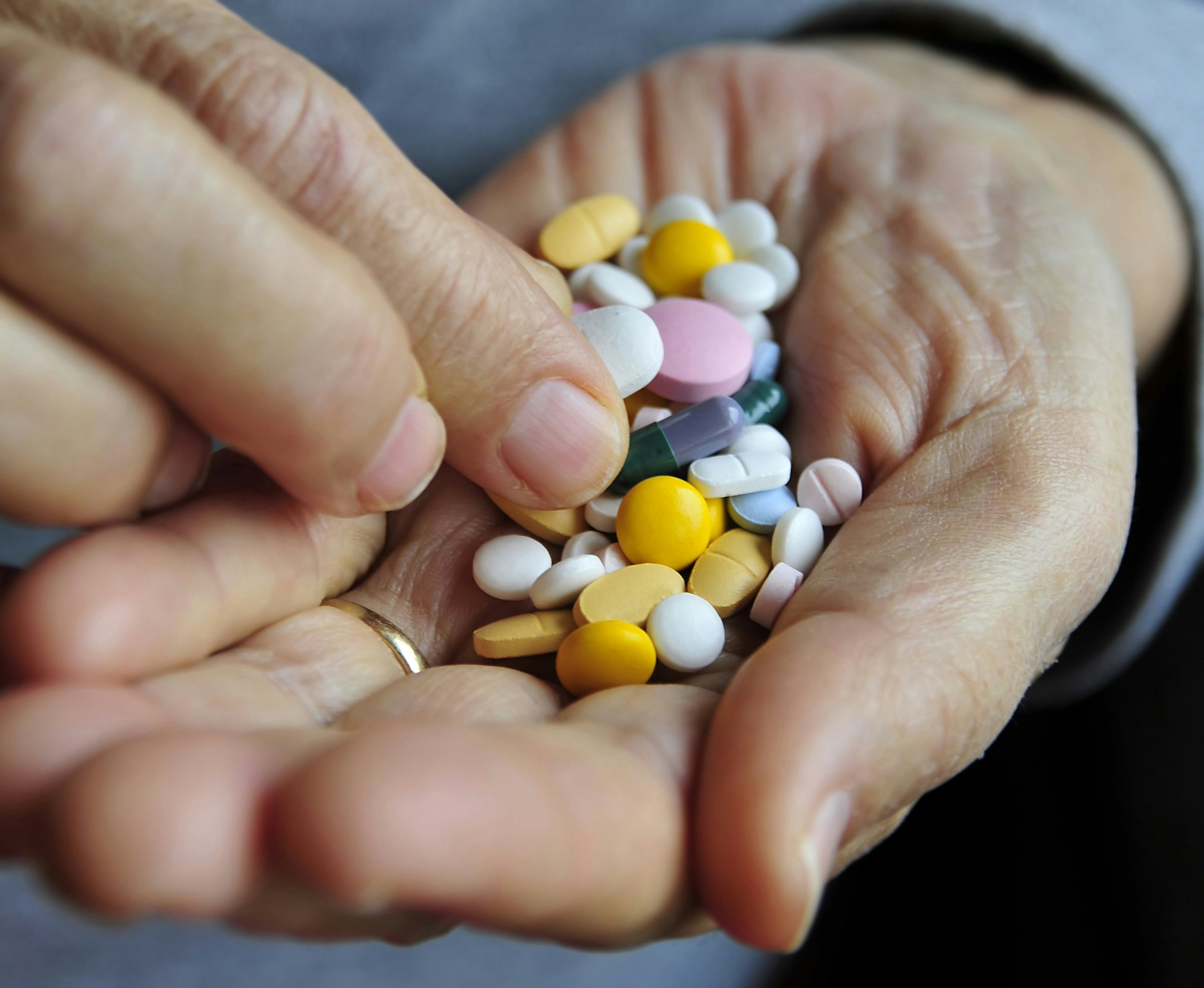
Learning to live with a chronic medical condition can feel daunting, especially when juggling career and family responsibilities.
“The phrase ‘prevention is better than cure’ can be difficult to put into practice, especially when the danger may not seem immediate,” says pharmacist Tlangelani Siwele of Medipost Pharmacy.
“For many long-term health conditions, taking the prescribed medication is only half the treatment plan. The other half lies in the everyday choices we make to give our bodies the best foundation to continue living well for many years to come,” she says.
Health risks can be reduced
“Hypertension or high blood pressure may have no noticeable symptoms until it leads to serious health consequences, including heart attacks, stroke, or kidney damage. Like most chronic conditions, it is identified early through routine testing. There is an opportunity to better manage the health risks through a combination of diet, exercise and medication,” she says.

“No one should underestimate the lasting health consequences of neglecting their health, but for people with chronic conditions such as type 2 diabetes, hypertension and cardiovascular disease, prioritising lifestyle choices including diet and exercise is just as important as remaining consistent with medication.”
For people with diabetes, every bite and each medication dose can either improve disease control or worsen symptoms. A sudden spike or drop in blood sugar can lead to complications, hospitalisation, or worse. However, with consistent medication, healthy eating, regular physical activity, and ongoing monitoring, many of these risks can be significantly reduced.
A manageable routine
“Start with small, manageable goals so you don’t feel overwhelmed. Introducing just one healthy habit into your daily routine every few months quickly adds up to better wellbeing, making healthy living more sustainable over time and adding years to your life,” Siwele recommends.
“Once the first healthy habit becomes a natural part of your daily life, add another goal to your routine. Siwele recommends linking each small change to your existing routine. Try increasing your step count by walking the long way to your desk or packing a lunchbox with healthy, nutritious meals to reduce cravings for unhealthy snacks or fast food.”
It can be helpful to involve your family in your journey towards healthier habits. Making your loved ones aware of your goals means they can encourage you, keep you accountable, and stay motivated alongside you.
“Sleep is a vital part of maintaining overall health. It allows the body’s cells to repair themselves and supports the processes that help regulate blood pressure, blood glucose and hormone levels. When we experience ongoing fatigue and exhaustion, it can affect how our organs function and take a toll on mental health,” Siwele says.
Aim for seven to nine hours of quality sleep each night, as sufficient sleep improves your energy, concentration and productivity during the day.
Getting the most out of medication
Regular health screenings with your doctor or clinic are essential for monitoring chronic health conditions, tracking your progress, and adjusting your medication or dosage if necessary.
Siwele points out that for people with chronic medical conditions, such as diabetes, heart disease or HIV, taking medication regularly and on time every day is an essential habit to maintain.
“Medication only works at its full potential inside the body for a limited time. To keep your condition well managed, your medication must be taken at the correct dose and at the right time, exactly as prescribed by your doctor,” she says.
Solutions include using weekly pill organisers, setting an alarm on your phone or wearable device to remind you when the next dose is due, or marking each time you take your medication on a calendar, to prevent missed doses or potential overdoses.
“Good health is built one small decision at a time. Starting with a simple change today, such as reducing your salt intake or drinking a glass of water with each meal, and taking your medication exactly as prescribed, you can make a lasting impact on your health and wellbeing. Small, consistent actions today can help protect your health for years to come,” Siwele concludes.



You must be logged in to post a comment.