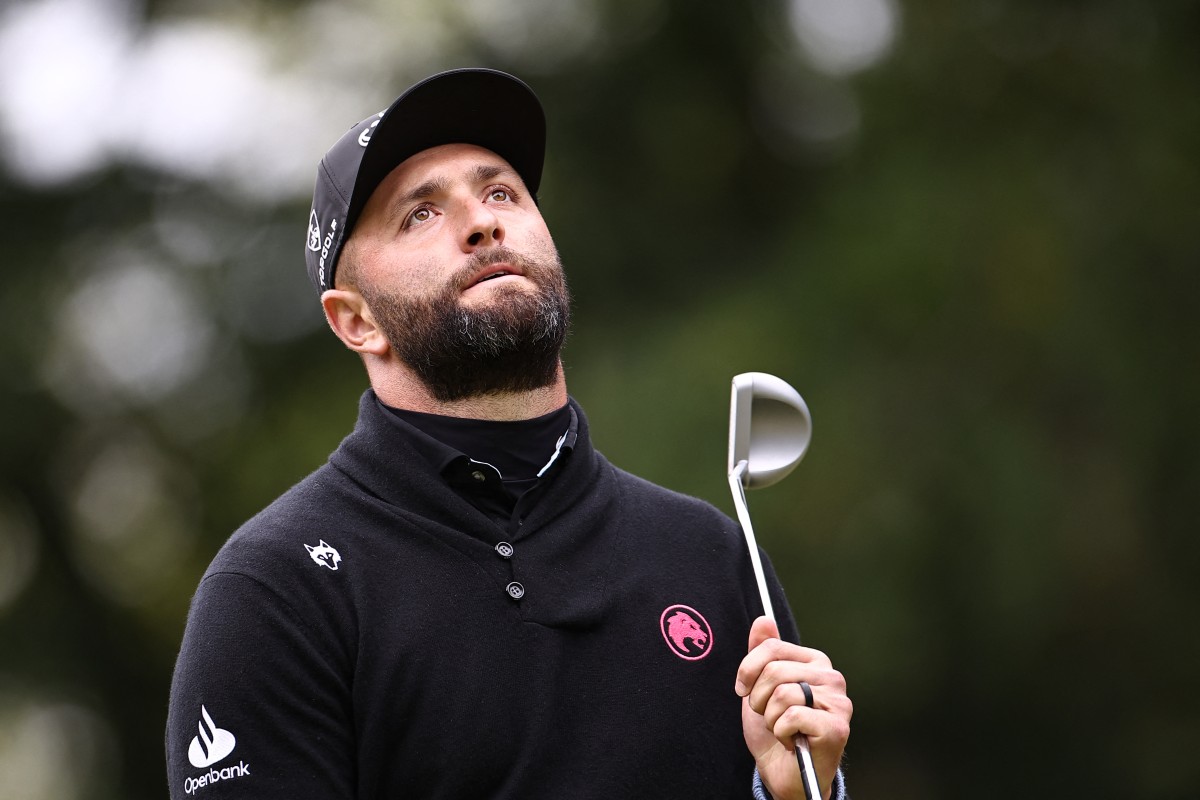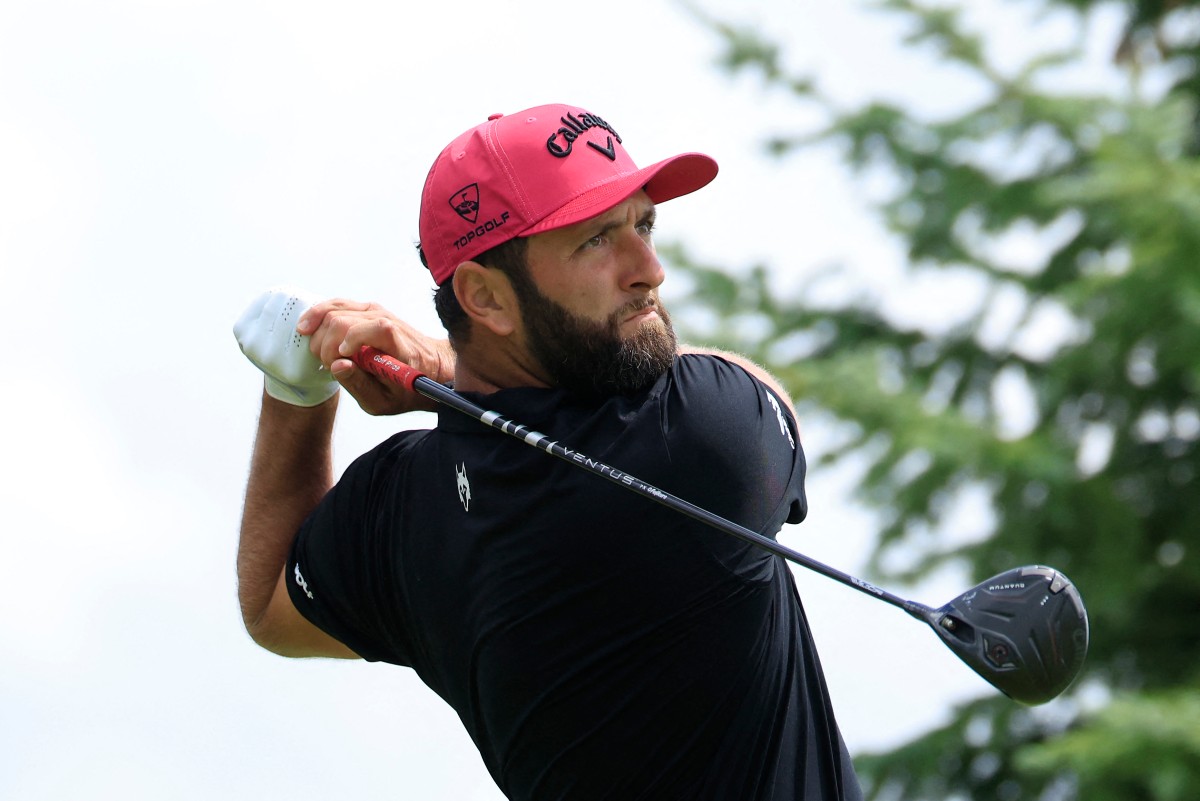
The audacious golf revolution that promised to reshape the sport has hit the wall. LIV Golf, the breakaway tour that spent billions luring the world’s elite players away from the PGA Tour and sparked the most bitter civil war golf has ever witnessed, filed for bankruptcy protection on Tuesday, leaving star players including Bryson DeChambeau and Jon Rahm facing multimillion-dollar losses.
Also read: LIV golf cuts staff as Saudi billions run out
The bankruptcy filing at a New Jersey court marks a stunning fall from grace for the tour that arrived in 2022 with seemingly bottomless Saudi pockets and grand ambitions to tear down golf’s establishment.
The staggering financial wreckage
The bankruptcy documents lay bare the scale of LIV’s financial implosion. The tour owes between $500 million and $1 billion in estimated liabilities to at least 1,000 creditors.
Among those creditors are the very players LIV convinced to abandon the established tours. DeChambeau, Rahm and Dustin Johnson hold the largest unsecured claims against the tour, each owed more than $5 million in immediate past-due payments alone. According to the Financial Times, those figures don’t even reflect the future remaining contract values owed to some golfers, amounts that can stretch into tens of millions of dollars each.
Even Brooks Koepka, the five-time major winner who returned to the PGA Tour this year, remains on the creditor list, still owed $1.7 million.
The players now face an agonising decision: remain with the tour in its restructured form and hope they eventually see their money, or walk away and pursue their millions through the courts.
‘LIV 2.0’: The restructuring vision
Tour officials remain defiant, insisting this isn’t the end but rather a painful transition to something new. CEO Scott O’Neil struck an optimistic tone in his statement, declaring: “This process gives us the structure and time to pursue a landmark transaction and begin the next chapter of LIV Golf.”
That next chapter, according to Tuesday’s announcements, will feature an “innovative, player-first ownership model” designed to align players’ interests with the league’s long-term success.
“Players will have the opportunity to share directly in the value they help create,” O’Neil wrote in an open letter to fans, though the statement acknowledged the tour remains “in advanced discussions” with players about the ownership structure’s specifics.
The proposed LIV 2.0 would look markedly different from its predecessor:
- Expanded fields of 75 players (up from the current format)
- Introduction of a cut, a traditional element LIV previously eschewed
- Monday qualifiers offering pathways for players to earn their spots
- Tournaments across five continents, including Australia, South Africa, Mexico, England, Hong Kong and the United States
- Continued emphasis on team competitions with national identities, building on World Cup-style passion
- Live music and youth-focused entertainment
Crucially, the new model would feature shorter schedules and reduced prize money, a far cry from the lavish purses that defined LIV’s early years.
The BC partners connection
Tuesday’s filing confirmed what rumours had long suggested: British investment group BC Partners has emerged as the tour’s restructuring partner and rumoured “lead investor” for its reincarnation.
LIV is also seeking recognition of the US bankruptcy filing in England and Wales to cover its global assets, which the filing estimates between $100 million and $500 million.
The players’ dilemma
The bankruptcy throws the future of golf’s biggest stars into profound uncertainty. DeChambeau, Rahm, Johnson and others abandoned the PGA Tour for guaranteed riches, weathered intense criticism and professional ostracism, and now find themselves creditors in a bankruptcy proceeding.
Widespread reports have linked several LIV stars with potential returns to the PGA Tour and other established series, though the PGA Tour has stated it currently has no plans to offer LIV players a pathway back.