

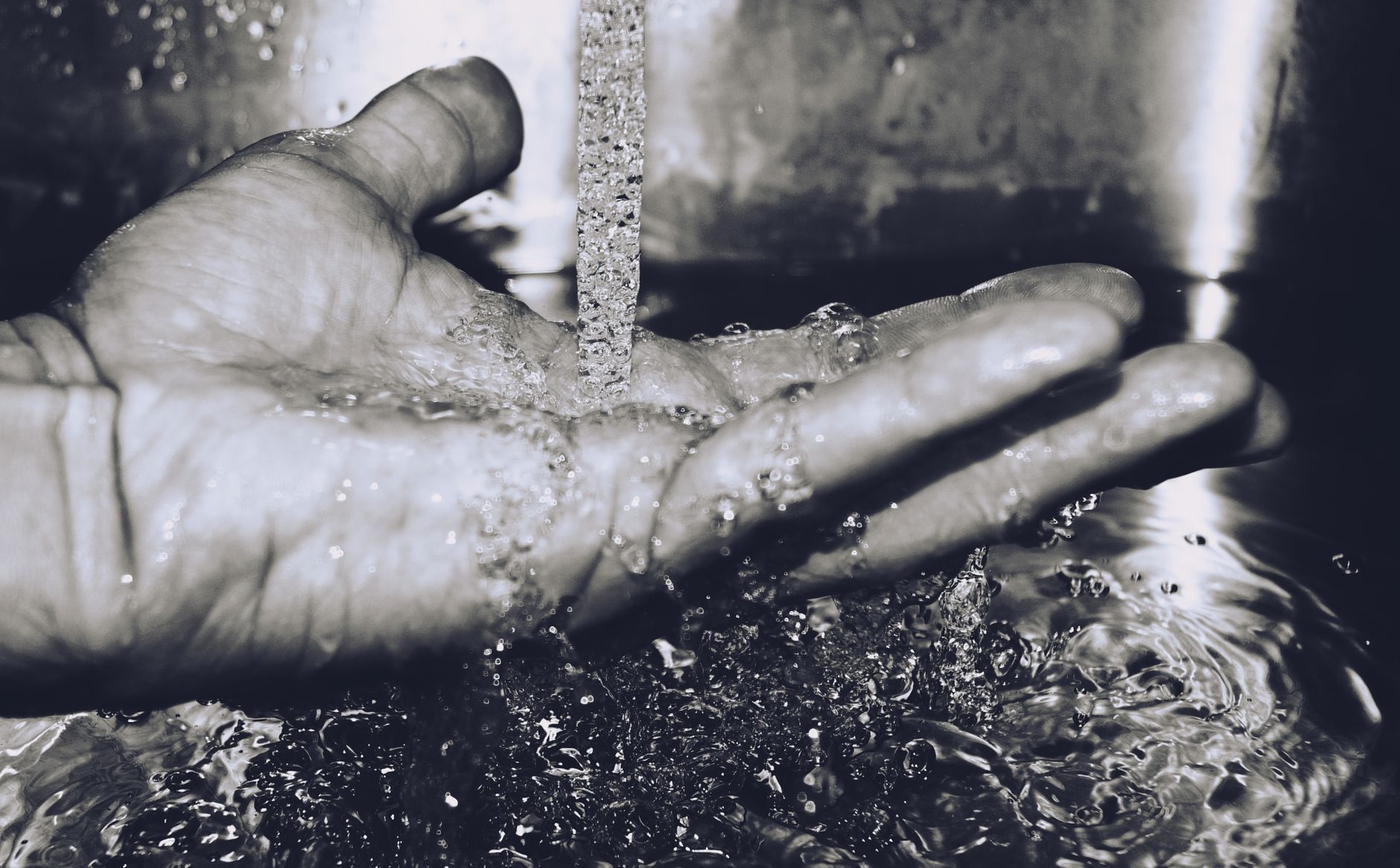
Johannesburg Water will enforce level 2 water restrictions from this Saturday (21 November). Households will also pay for water they used to get free from 1 December.
The utility announced the changes on Thursday. It says the city must cut demand because it is straining the bulk supply from Rand Water.
What is banned from Saturday
Residents and businesses may not water gardens, lawns, parks or public spaces at any time of day. They also may not hose down driveways, paving or sidewalks, or wet building sand.
Level 1 rules allowed watering outside the hours of 06:00 and 18:00. The new ban removes that window.
Johannesburg Water spokesperson Nombuso Shabalala said the rules cover homes, businesses and institutions across the city. City departments will stop watering parks and gardens with drinking water. The Johannesburg Roads Agency and its contractors must use treated effluent for road construction. Johannesburg Water and its contractors must do the same for jetting work.
Shabalala said high demand makes it hard for reservoirs and water towers to hold enough water or recover after supply cuts. The Gauteng Department of Co-operative Governance has asked municipalities to weigh up supply and demand and bring in level 2 rules. Tshwane has already done so.
Why the city is under pressure
Rand Water has warned repeatedly that Johannesburg uses too much water, even after it raised the city’s limit for a time. In October it said it would cut supply to municipalities that keep going over their allocation.
The city also loses almost 50% of the water it buys. In the financial year that ended in June, it logged 114 814 leaks and burst pipes and fixed 112 660 of them.
Unaudited figures show non-revenue water was 47,1% in 2025/2026, or about 295 million kilolitres. The losses break down as follows:
- Leaks and burst pipes: about 157 million kilolitres, worth R2,4 billion.
- Commercial losses: about 61 million kilolitres, worth R939 million.
- Unbilled authorised use: about 77 million kilolitres, worth R1,17 billion.
The city values the losses at the rate it pays Rand Water per kilolitre.
WaterCAN executive director Dr Ferrial Adam gave the restrictions a cautious welcome. She said they are hard on people who have gone days without water, but that the city must find ways to keep taps running for longer. She doubts Johannesburg Water can enforce the rules.
Adam said that if the utility cannot enforce them, the announcement becomes a way to raise money through higher tariffs. She wants to see golf estates, big businesses and other large users held to account. She also urged the city to plan for next year, as El Niño could last until the end of 2027.
New tariffs from 1 December
At present, the city does not bill households that use less than six kilolitres a month. From 1 December, households on a conventional meter will pay R7,80 more per kilolitre for the first six. With VAT, a home that uses six kilolitres will pay R53,82 a month. Registered indigent households keep their free allocation.
ALSO READ: Access to water is a full-blown crisis in Johannesburg
Higher bands will cost the following extra amounts per kilolitre, VAT included:
- 6 to 10 kilolitres: R4,50
- 10 to 15 kilolitres: R7,44
- 15 to 20 kilolitres: R12,29
- More than 50 kilolitres: R74,76
These figures come from the city’s 2026/2027 tariff booklet. On that basis, a household using 10 kilolitres a month, which is about average, will pay R71,81 more. A home that uses 20 kilolitres will pay R170,48 more. One kilolitre is 1 000 litres.
The city must cut consumption by 200 million litres a day. Johannesburg Water will also reduce supply by 20% in deemed-consumption and prepaid-meter areas. It will do the same in other high-use areas where the restrictions do not cut demand enough.
The utility says it will protect basic supply. It will give communities notice of planned interruptions and provide alternative water if an interruption lasts longer than 24 hours.
Shabalala said anyone who breaks the rules could face action under the by-laws. The restrictions stay until the city issues a public notice to withdraw them.
How residents can save water
Johannesburg Water asks residents to:
- Fix leaking taps, toilets and pipes.
- Take shorter showers and close taps while brushing teeth or washing dishes.
- Wash cars with a bucket instead of a hosepipe.
- Stop filling or topping up pools with municipal water.
- Run washing machines and dishwashers only with full loads.
- Reuse greywater safely for non-drinking purposes.
- Report visible leaks and burst pipes through official channels.
- Track their use and look for leaks on their property.
This story was produced by Our City News, a non-profit newsroom that serves the people of Johannesburg.



You must be logged in to post a comment.