

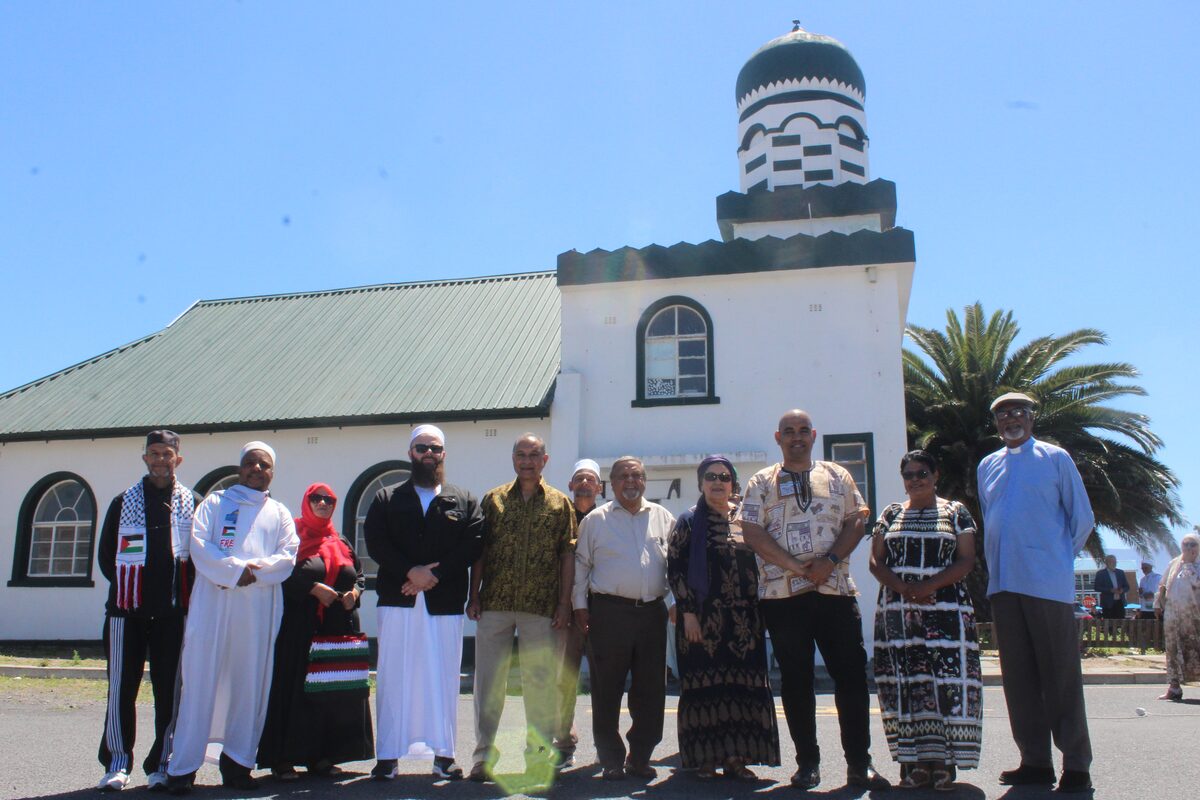
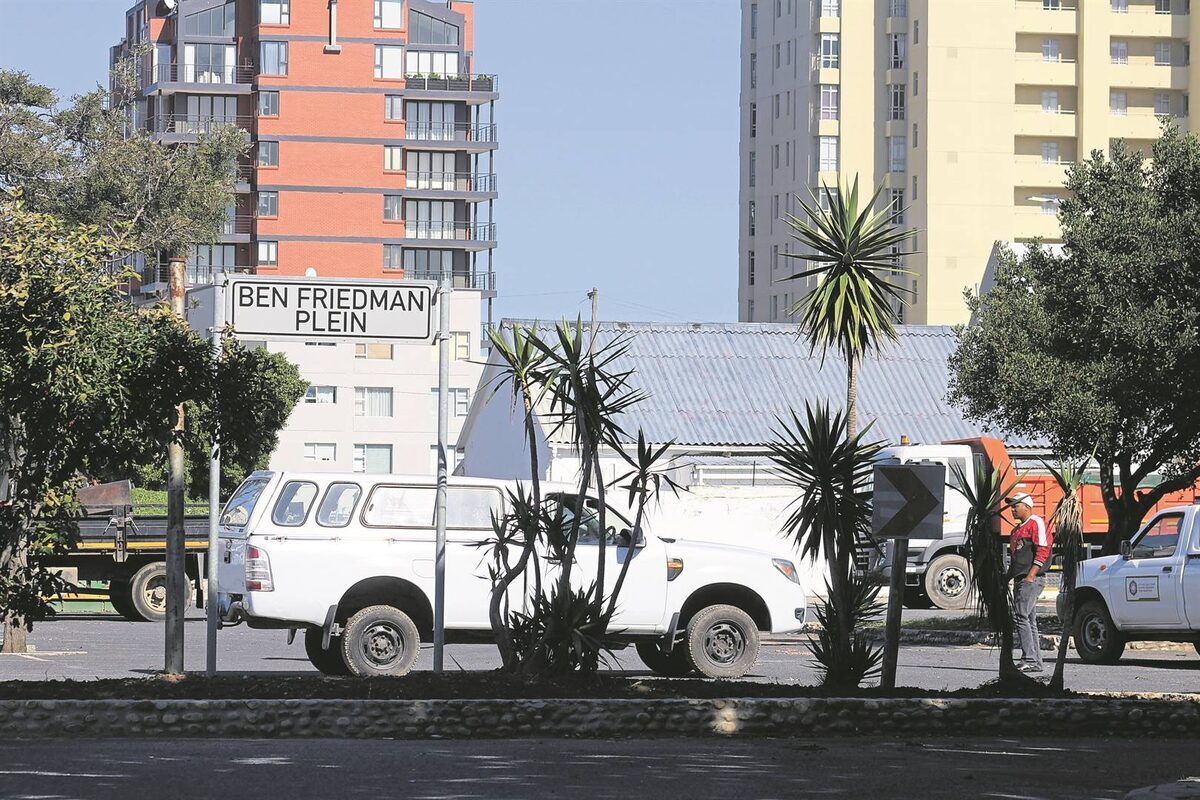
Ben Friedman Plein was officially renamed Strand Muslim Community Square during a morning ceremony outside Nurul Anwar Masjid in Strand on Wednesday 28 October.
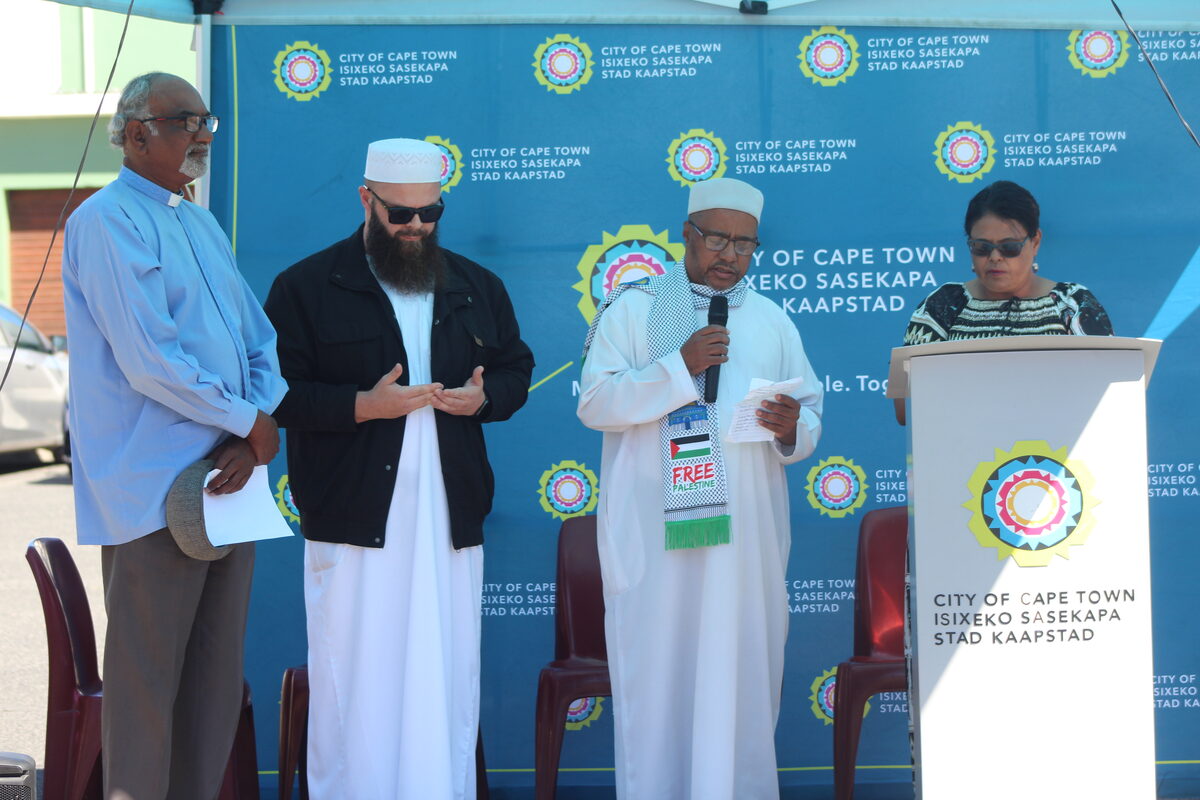
Subcouncil 8 chairperson and Ward 85 councillor Chantal Cerfontein served as programme director. She opened proceedings before prayers by Sheikh Nasief Latief, Sheikh Nazeem Safodien and Reverend Emmanuel Gabriel of the Methodist church. Local historian Ebrahim Rhoda then addressed attendees. He highlighted over two centuries of Muslim resilience, faith and community history in Strand.
Rhoda traced the community’s roots to the Dutch colonial era, when Islam was strictly banned. Despite these restrictions, early Muslims practised their faith in secret and conducted outreach. “Dawah (mission work) was taking place right under the nose of the authorities,” he noted from historical records.
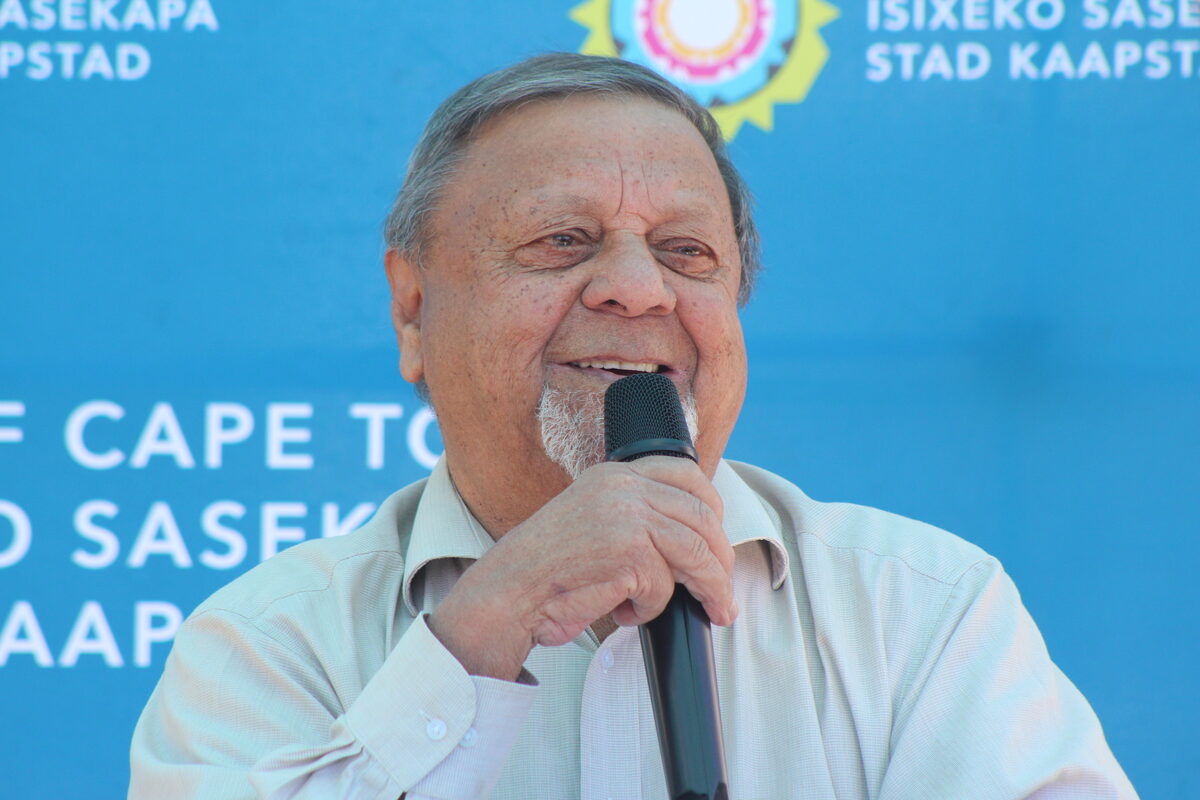
By 1822, Imam Abdul Samad, originally from Indonesia, settled in Strand alongside artisans from Java and Timor. This laid the groundwork for a permanent settlement. Pointing to the deep heritage of locals, Rhoda emphasised: “The Temoor family from Strand are the seventh generation, and I’m saying this to prove the continuity. From 1822 until today, we are still there.”
Throughout the 19th century, the community resisted missionary conversion efforts by opening their own madrassa in 1864. Moreover, they established local mosques. At the same time, they built strong bonds with neighbouring Christian families. These communities were unified by shared coastal life and hardships.
ALSO READ: Ben Friedman Plein renaming gets go-ahead despite objections
Historic presence
This enduring presence faced a major trial during apartheid, when families were uprooted from their prime beachfront land under forced removal laws. “My house was right there… And many of the Muslims stayed just around here in this square,” Rhoda recalled.
Families were relocated to an outlying area known as the “Lost World.” However, proactive leaders built new schools and mosques to preserve their identity.
Rhoda welcomed the square’s renaming as a vital act of recognition and healing: “To the City Council, our deputy mayor, we say thank you for allowing the restoration a little bit of the history that we lost… A little bit of the indignity that we suffered in being removed forcefully where we had stayed for generations.”
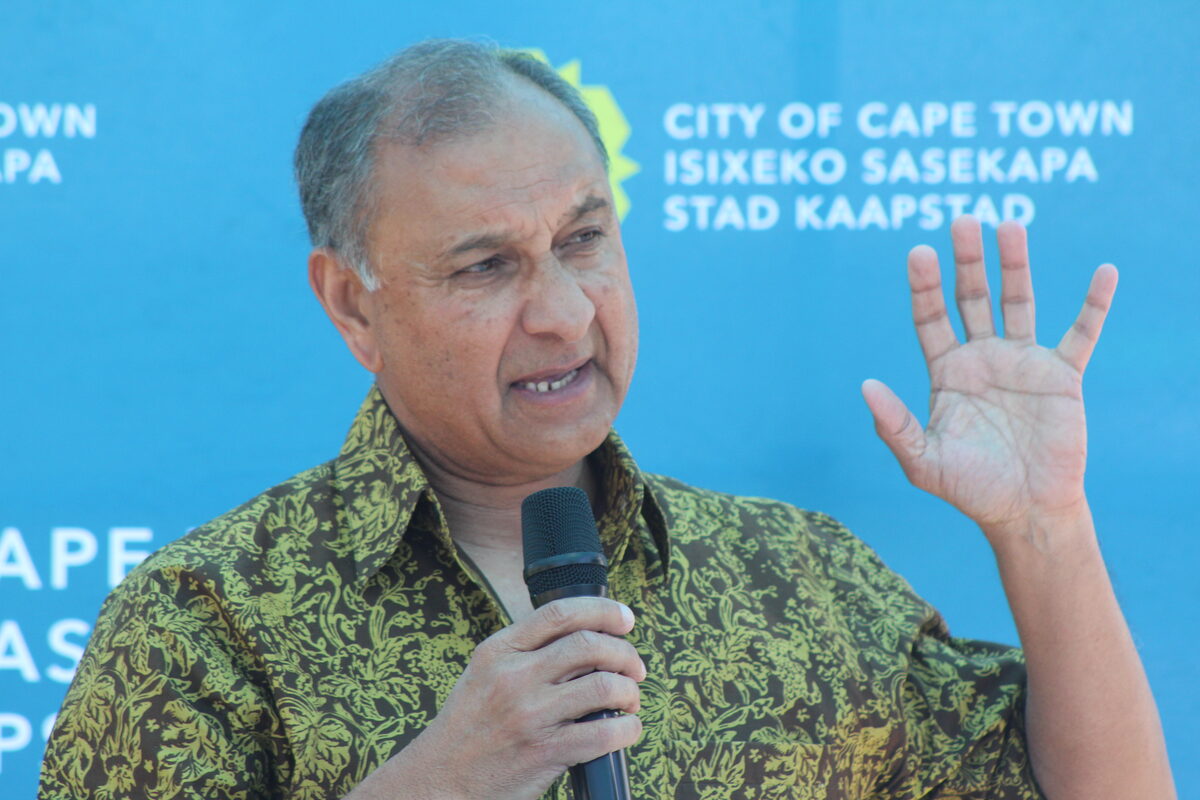
Professor Doria Daniels and her brother Feisal, who both served on the proposal committee, offered messages of support. Doria highlighted the community’s two-century-old roots. She noted their history was long overlooked in official records. Pointing to landmarks surrounding the Nurul Anwar Mosque, she recalled historic local families including the Railouns, Garder, Brinkhuises, Rhodas, Fanies, Sylvesters, Baderoens, Latiefs, Wentzels and Temoors.
She shared her own family roots behind the mosque, where her grandparents ran successful fishing and retail businesses.
ALSO READ: Cape Town to rename Strand square in historic reconciliation move
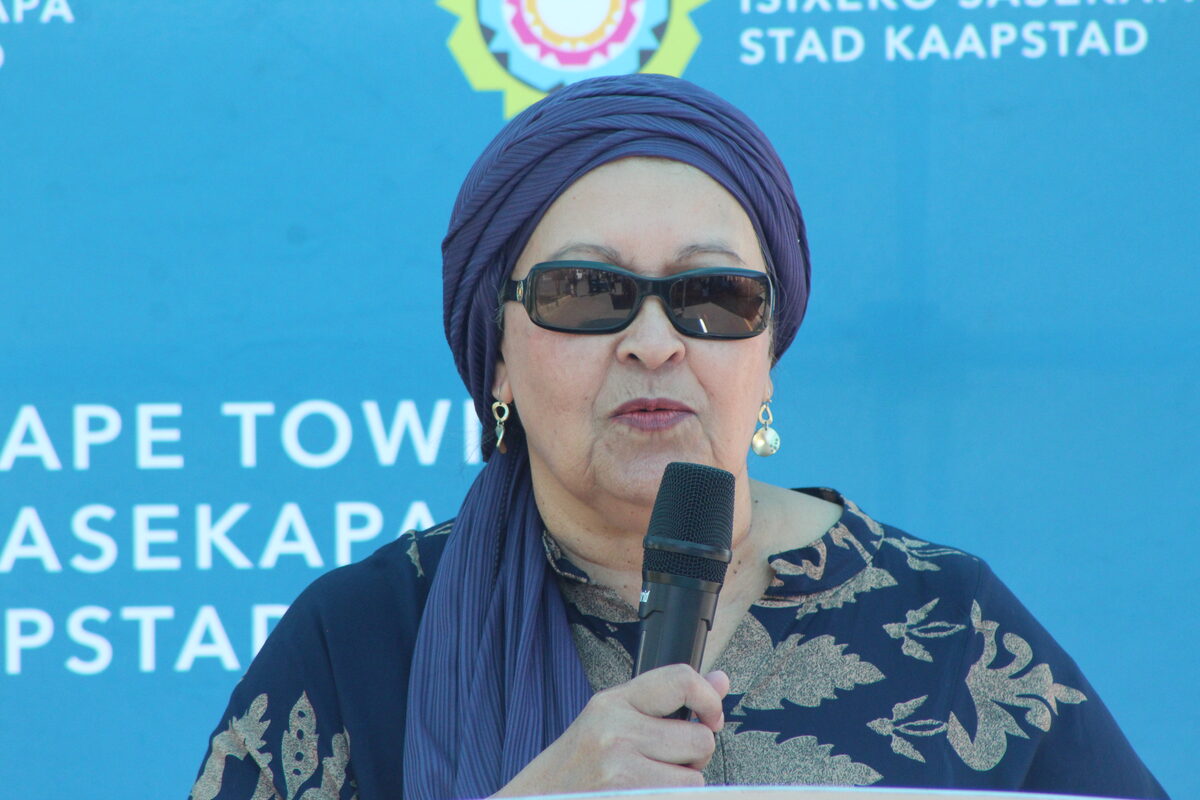
Photo: Jamey Gordon
‘Triumph of interfaith’
While her family was fortunate to have physical remnants of their history remain, Doria lamented the impact of the Group Areas Act, which demolished surrounding homes. Forced removals, she explained, did not merely dispossess people of property. They also robbed them of their ancestral foundations and erased their presence from the landscape.
The drive to rename the square grew from a conversation with Rhoda. After realising the town lacked a single monument or plaque recognising its earliest Muslim settlers and fishermen, they took action. The proposal, she said, served as restorative justice by restoring visibility to an uprooted community. She thanked the faith-based institutions, civic supporters and the City of Cape Town’s Renaming Committee for approving it.
ALSO READ: Historic Strand square set to be renamed
Feisal reflected on his personal connection to the area, noting he was born around the corner and holds fond memories of playing in the yards while his grandfather’s boat stood nearby. Emphasising how the state dismantled a thriving neighbourhood, he said while it took the community four years to establish their initiatives, the apartheid government took less than four months to forcibly remove them. “Their lives were taken to pieces, their property seized and their honour trampled,” he said, noting that all major religions hold life, property and honour as sacred.
Despite these hardships, Feisal highlighted the community’s resilience. He pointed out those displaced went on to become professors, doctors, lawyers, dentists and engineers.
He labelled the renaming a triumph of interfaith cooperation – applied for by a Muslim community, endorsed by a Jewish family and approved by a predominantly Christian council. South Africa, he remarked, stands as “the superpower of humanity in the world”.
Looking to the future, he proposed incorporating the square into the Cape’s broader tourism path. Furthermore, he advocated extending similar recognition to other historically displaced Christian and multi-faith communities. “Let this square represent something… which binds people together, brings back values, dignity… use this square for everybody. Not just for Muslims, for everybody,” he concluded.
Shared heritage
Delivering the keynote address, Eddie Andrews, deputy mayor and chairperson of the City’s Naming Committee, stressed that municipal naming processes shape how the city remembers its past and expresses its core values. The milestone, he said, honours a vibrant community. Their social, cultural and spiritual contributions extend back more than two centuries.
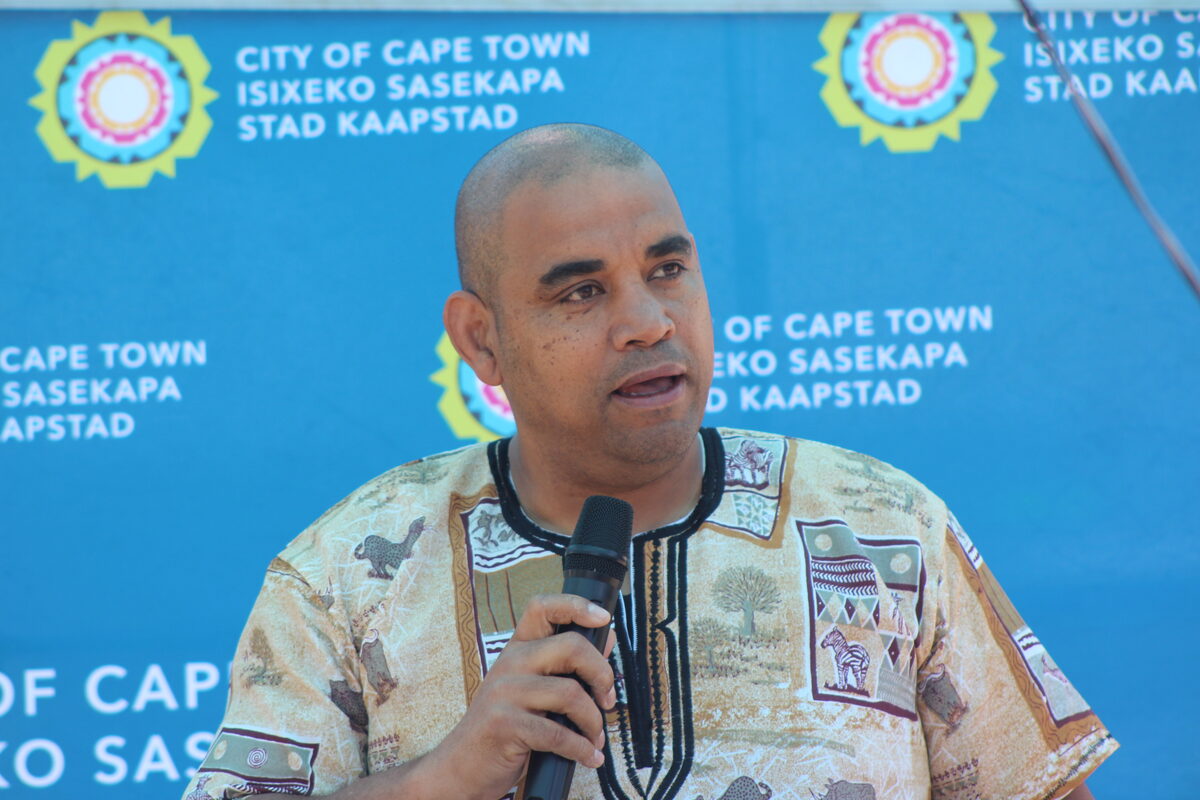
Andrews asserted that recognising the heritage of one community never diminishes another but enriches society as a whole. True reconciliation, he said, relies on mutual respect and deep understanding. It also depends on ensuring public spaces authentically reflect the diverse histories of all residents.
He praised the collaborative effort. Andrews thanked the Strand Muslim community, local faith-based and civic organisations, the Friedman family and Naming Committee members for their perseverance throughout the public participation process.
Andrews expressed hope that Strand Muslim Community Square will stand as a lasting symbol of belonging, mutual respect and unity. He reminded everyone that building an inclusive city requires ongoing dedication to how communities treat and listen to one another.


You must be logged in to post a comment.