

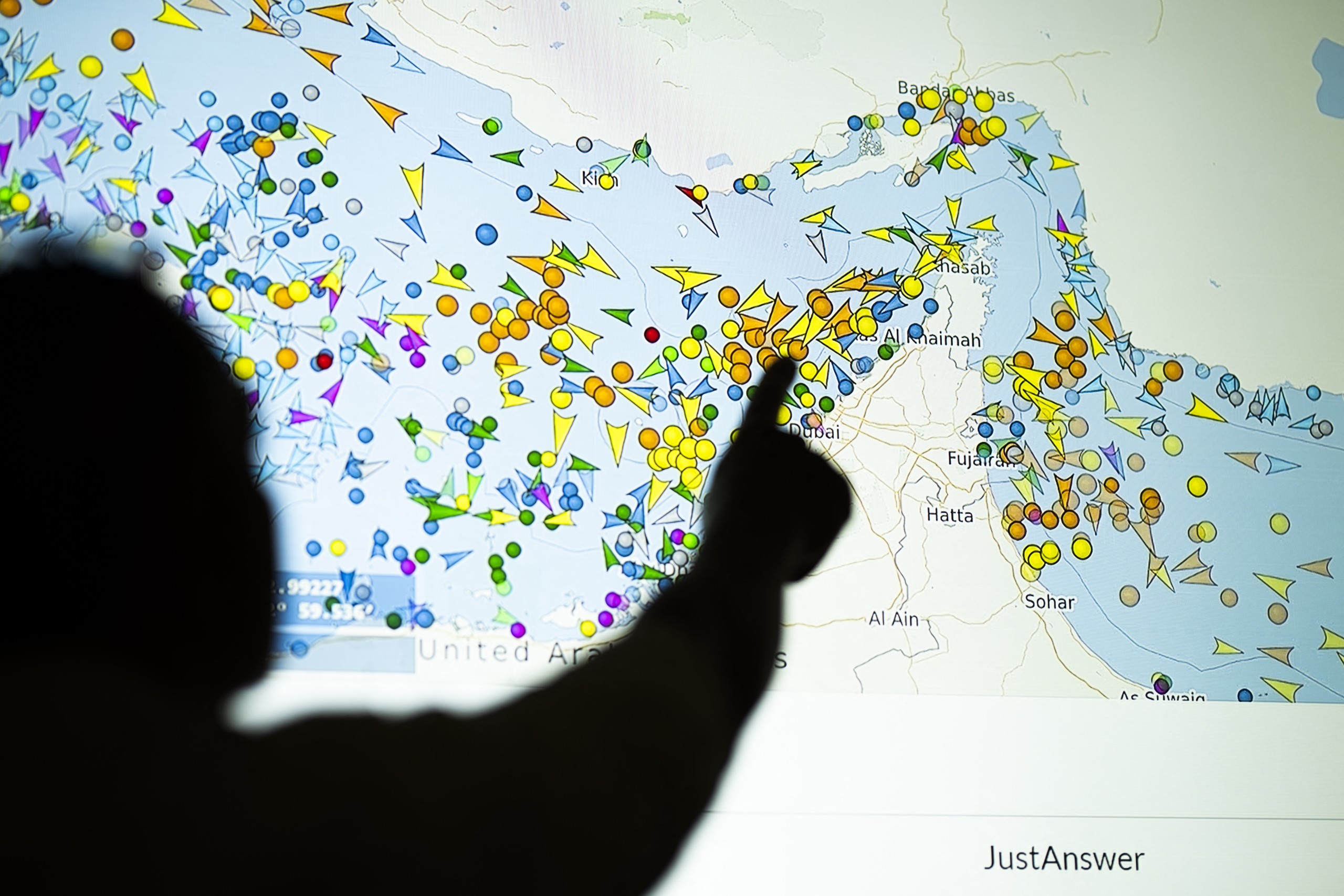
Iran and Oman are working to establish a temporary shipping corridor through the blockaded Strait of Hormuz, nearly six months after the waterway became paralysed by the Middle East conflict.
The two countries, which both border the strategically vital strait, met in Tehran on Tuesday to discuss frameworks for reopening the passage and clearing mines from the area. While talks continue, officials have yet to agree on the final conditions for vessels to resume transit through the chokepoint that handles roughly a third of the world’s seaborne oil trade.
The negotiations come after a US-Iran agreement signed in mid-June collapsed, leaving the future of the waterway uncertain.
Regional powers seek practical solution
Both nations are attempting to define terms for a controlled resumption of shipping through the strait, which has been shut since US-Israeli attacks triggered the broader conflict in late February.
The June memorandum of understanding between Washington and Tehran had outlined plans to reopen the Strait of Hormuz, leaving Iran and Oman to work out “the future administration and maritime services” alongside other Gulf states and in accordance with international law. That deal, meant to open the door to wider peace talks, has since unravelled.
On Tuesday, Iranian and Omani foreign ministers discussed establishing a temporary corridor and launching mine-clearing operations, according to a joint statement. Omani Foreign Minister Badr Albusaidi said on X that he hoped the new corridor and “practical arrangements to restore safe navigation” would be announced soon, with permanent management of the strait to follow later.
Iranian Deputy Foreign Minister Kazem Gharibabadi told local media the proposed arrangement would see ships entering the Gulf pass through Iranian waters, while vessels leaving would transit through Omani waters. He added that if Oman and Iran reach agreement, they would have 30 to 60 days to finalise a permanent route.
Iran’s Revolutionary Guards, who are involved in the negotiations, said on Wednesday they had agreed with Oman to share revenues from any fees imposed on shipping in the strait. Washington has rejected this proposal.
Tehran links waterway to wider demands
Iran continues to make the full reopening of the strait conditional on US concessions, particularly regarding Washington’s counter-blockade on Iranian ports.
Gharibabadi warned late Tuesday that “before any action is taken to reopen the Strait of Hormuz, the United States must fully implement all the commitments it has breached.”
He said the strait would only be reopened in exchange for an end to the war on all fronts, the lifting of the blockade and a resolution to the situation in Yemen.
ALSO READ: Six months into Iran war, Hormuz traffic plummets as thousands of sailors remain stranded
Experts say the negotiations involve complex issues of sovereignty, jurisdiction, vessel control and potential fees, all while ensuring compliance with international law.
Omani researcher Abdallah Baaboud told AFP that “Oman and Iran are effectively negotiating elements of a post-war governance and security architecture for Hormuz, which explains the slow pace.”
For Tehran, the strait represents more than just a maritime issue. Iran is demanding the lifting of US sanctions, compensation for war damage and security guarantees as part of any comprehensive agreement.
Oman, meanwhile, is seeking to “separate freedom of navigation as much as possible from the wider conflict,” said Baaboud, adding that these different strategies are “the real source of the delay.”
ALSO READ: Iran says Hormuz strait still closed despite transit corridor talks
Washington watches from the sidelines
The United States has not responded to the Iran-Oman joint statement, though it previously reported progress on the Hormuz issue.
President Donald Trump has repeatedly claimed the strait is under US control, a statement Tehran denies, and has threatened to bomb Oman if the sultanate were to “stand in the way” of American passage through the waterway.
This puts Muscat in an awkward position as it tries to maintain its role as intermediary to Tehran without appearing to fully support Iranian control over shipping, which could jeopardise its strategic relationship with Washington.
Baaboud said Washington may be uncomfortable with aspects of Oman’s diplomacy, but it also needs the channel Oman provides. By calling for other nearby Gulf states to join the discussions, Muscat is trying to avoid the appearance of a bilateral deal with Tehran.
The aim would be to achieve “a regional understanding in which freedom of navigation is guaranteed collectively,” rather than relying on a permanent US military presence or Iran’s unilateral control of the strait.
“That would be a very Omani outcome,” Baaboud said. “Not a grand peace settlement, but a practical arrangement that removes reasons for confrontation and opens space for wider diplomacy.”
ALSO READ: Iran says it manages Hormuz Strait after Trump claims US control


You must be logged in to post a comment.