The Inter-Ministerial Committee (IMC) has expressed satisfaction with preparations for South Africa’s local government elections despite a record number of politically-motivated murders reported in the run-up to the 4 November poll.
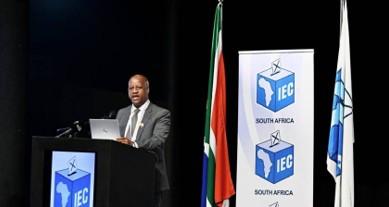
Minister Velenkosini Hlabisa, who heads the Department of Cooperative Governance and Traditional Affairs, convened the IMC meeting as authorities enter the final month before voting day.
The IMC said preparations are on track but urged intensified coordination and public education to close the trust gap and ensure free, fair and safe elections.
Violence mars election build-up
Novanews however reported last week that suspected political assassinations have claimed the lives of at least 43 people across South Africa between January and September this year.
The Global Initiative Against Transnational Organised Crime (GI-TOC) report said the death toll has already exceeded the annual total for any year since the organisation started tracking political violence in 2015.
The figure marks a deadly escalation in political killings ahead of the November local government elections, raising alarm about the safety of candidates, political office bearers as well as the broad public in general.
The IMC itself identified gender-based violence, femicide and mass shootings as key public-safety concerns requiring urgent attention before election day. Security arrangements are being coordinated through the National Joint Operational and Intelligence Structure (NATJOINTS).
Election logistics advancing
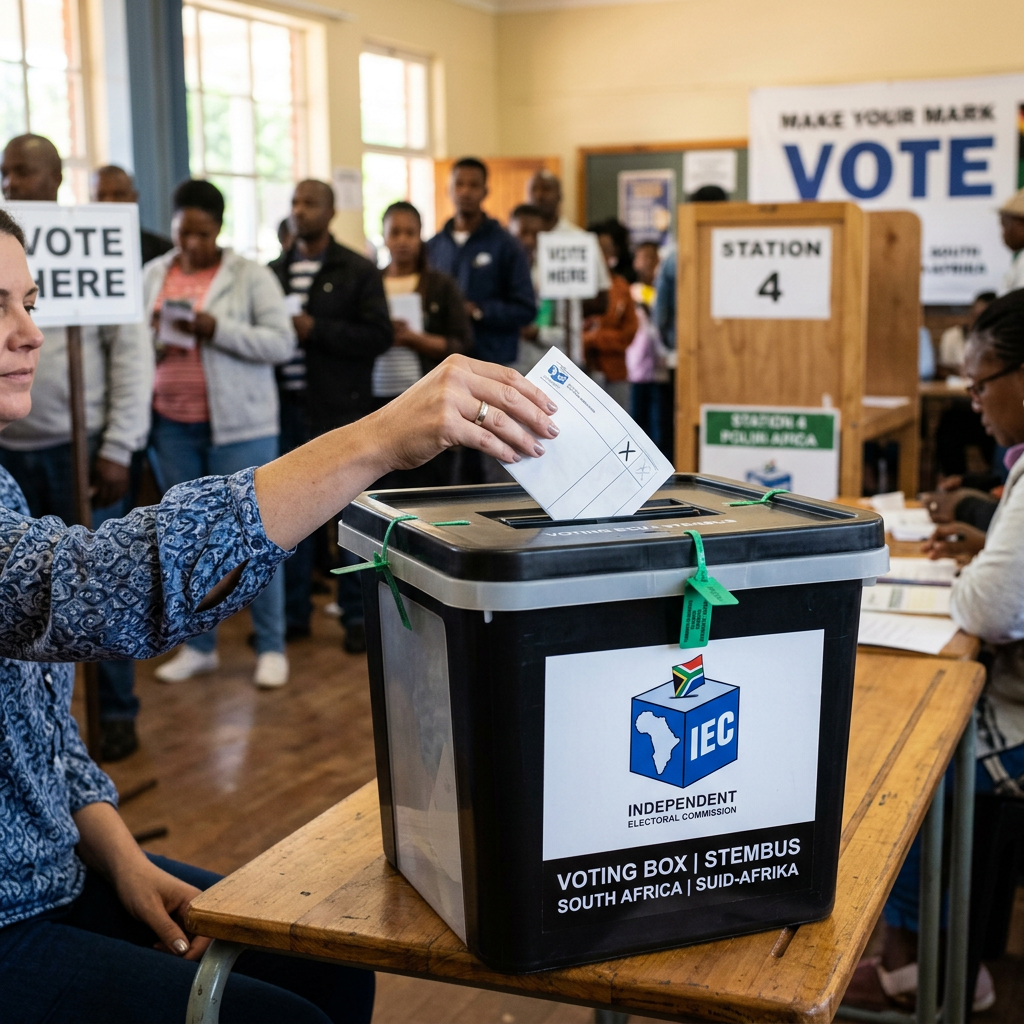
The Electoral Commission (IEC) has been printing 78 million ballot papers for the elections, with most materials already in place at screened local storage facilities. The commission is testing approximately 68 000 Voter Management Devices ahead of the poll.
A total of 142 072 candidates have been nominated for 10 526 council seats across the country. This includes 636 independent candidates, 97 815 ward candidates and 38 679 proportional representation candidates.
The candidate pool shows 58% of nominees aged between 36 and 55 years, with only 38% being women. The oldest candidate is 90 years old while the youngest is 18.
Weather risks under watch
The South African Weather Service (SAWS) has warned of a developing El Niño weather pattern that could affect voting operations. Forecasts predict below-normal rainfall, heatwaves, water stress and increased veld fires across southern Africa.
The National Disaster Management Centre (NDMC) is implementing mitigation plans to address weather-related risks that could disrupt the elections.
Voting arrangements finalised
Special voting will take place on 2 and 3 November 2026, with the main election day set for 4 November. The application window for special votes closed on 12 October at 5pm.
The Department of Home Affairs is aligning its operating hours to support voters who may need documentation assistance.
Eight legal matters remain unresolved, with five cases in the Electoral Court, two in the Constitutional Court and one in the Gauteng High Court. These disputes have affected the finalisation of ballot papers in some areas.
A total of 72 organisations have applied to observe the elections, with briefings for observers already underway.
The IMC emphasised the need for coordinated action across government, electoral stakeholders, municipalities and communities to ensure successful polls.
ALSO READ: Political killings in South Africa reach record high ahead of local elections