

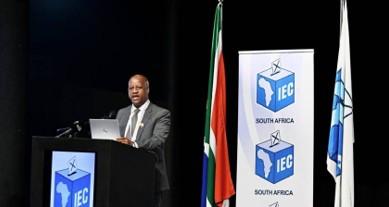
DURBAN – As South Africa enters the final stretch toward the 2026 Local Government Elections, KwaZulu-Natal Premier Thamsanqa Ntuli has issued a stern call to political leaders and candidates to uphold peace, political tolerance, and ethical conduct.
With Sunday, 4 October, marking exactly one month to go before South Africans head to the polls on 4 November, political campaigning is set to reach peak intensity across the province and the country.
A pledge for peaceful competition
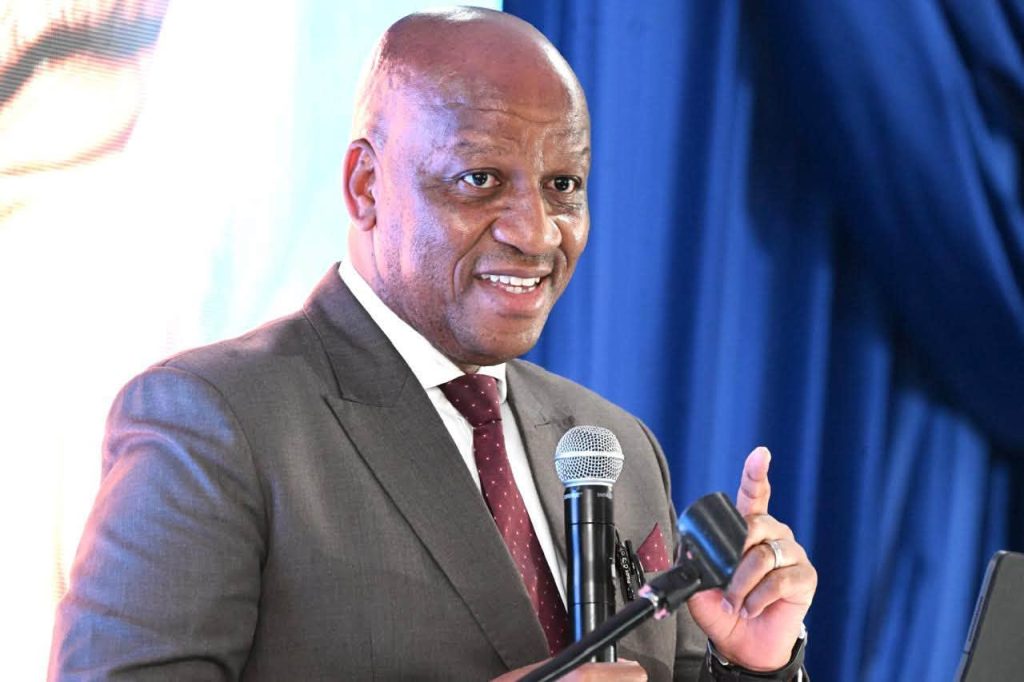
Premier Ntuli delivered his address at the KwaZulu-Natal Provincial Electoral Code of Conduct signing and ballot draw, hosted by the Electoral Commission of South Africa (IEC) at the Olive Convention Centre in Durban on Tuesday.
The ceremony marked a major milestone on the official electoral roadmap, bringing political contestants together to publicly sign the Code of Conduct and commit to a peaceful, fair, and transparent democratic process.
Highlighting the fundamental role of municipal elections, Ntuli emphasized that local governance sits at the very heart of democratic accountability, allowing citizens to directly choose the leaders responsible for service delivery in their immediate communities.
Confronting political violence and violence against representatives
Reflecting on South Africa’s democratic journey, Premier Ntuli expressed deep concern over the persistent threat of political violence and targeted assassinations against public representatives in the region—a issue that has historically plagued electoral cycles.
Ntuli noted that the continued reliance on specialized law enforcement structures, such as the Political Killings Task Team, underscores the gravity of the threat facing the country’s democratic integrity.
Political parties and individual politicians, however, as they seek to be chosen by the electorate, owe the country an orderly and peaceful contest.
He urged party leadership to actively discourage inflammatory rhetoric and maintain strict restraint among their supporters throughout the remaining campaign period.
Beyond legal compliance: The spirit of the code
Addressing party delegates at the Durban gathering, the Premier stressed that signing the Electoral Code of Conduct goes far beyond a formal legal obligation. Rather, it represents a sacred moral commitment to the voters of KwaZulu-Natal.
The Electoral Code of Conduct establishes key guidelines designed to foster a healthy democratic climate, including:
- Unrestricted Campaigning: Ensuring all registered political parties can campaign freely in any ward without intimidation or illegal “no-go” zones.
- Political Tolerance: Protecting the right of rival candidates and voters to express political preferences without fear of violence or reprisal.
- Open Public Debate: Facilitating robust, constructive discourse on community issues while avoiding personal attacks or inciteful speeches.
Ensuring a safe voting environment
Premier Ntuli concluded by stressing the institutional responsibilities shared by state organs during the election period.
He highlighted that statutory bodies – including the IEC and the Department of Cooperative Governance and Traditional Affairs (COGTA) – bear a profound obligation to collaborate effectively with law enforcement to maintain order. Together, these entities must ensure that all citizens are empowered to cast their votes freely, safely, and without hindrance when polling stations open on 4 November.
ALSO READ: IEC introduces disinformation code ahead of local government elections


You must be logged in to post a comment.