South African households have seen substantial improvements in access to basic services over the past 23 years, according to Statistics South Africa’s 2025 General Household Survey released on Tuesday.
The survey, conducted annually since 2002, tracks development progress and highlights persistent service delivery gaps across the country.
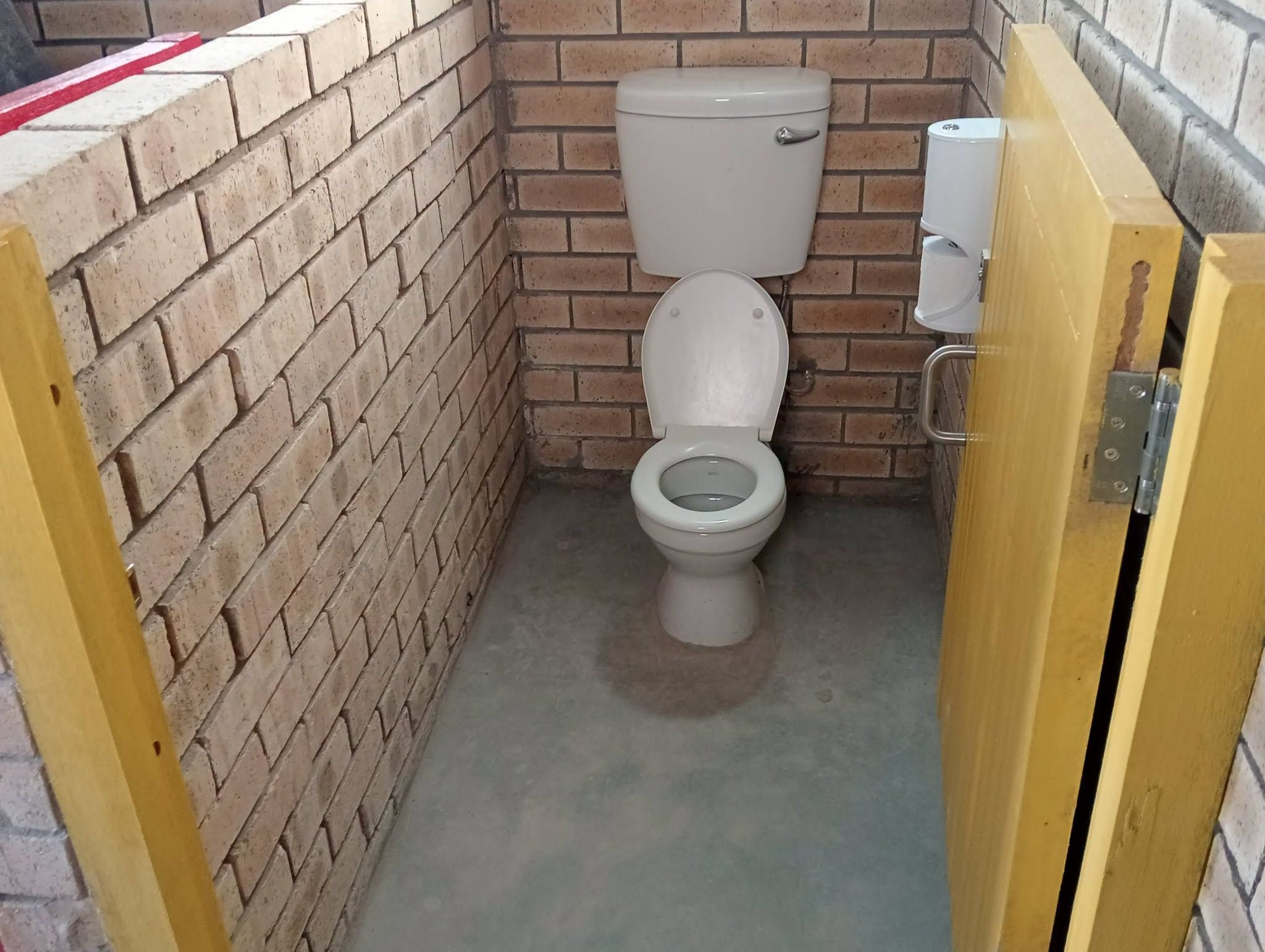
Access to improved sanitation facilities, including flush toilets and pit toilets with ventilation pipes, increased from 61,7% in 2002 to 84,0% in 2025. The Eastern Cape showed the largest improvement with a 54,6 percentage point increase, followed by Limpopo with 37,9 percentage points.
An estimated 16,8% of households now use pit toilets with ventilation pipes, up from 4,4% in 2002, while the use of pit latrines without ventilation pipes decreased by 12,4 percentage points to 13,0% in 2025.
Electricity access rose from 76,7% in 2002 to 90,6% in 2025, accompanied by reduced reliance on traditional fuels. However, wood use remains relatively high in some provinces, particularly Limpopo and Mpumalanga.
Urban-rural divide persists
Access to refuse removal services highlights ongoing inequality between urban and rural areas. While 84,9% of urban households received regular services, only 13,0% of rural households did so. Consequently, a large majority of 84,7% of households reported burning waste.
Recycling practices remain limited, with only 10,5% of households separating recyclable material.
Digital access expands
Internet access continues to expand rapidly, with 85,6% of households having access to any kind of internet in 2025. In contrast, traditional postal services continue to decline, with 67,4% of households reporting no access.
Children and household structures
Family structures show considerable variation in child living arrangements. In 2025, fewer than one-third of children (31,4%) lived with both biological parents, while nearly half (45,9%) resided with their mothers only.
A notable 18,5% of children lived with neither parent, and 11,2% experienced orphanhood.
Single-person households accounted for 26,6% of all households, while nuclear households made up 38,9%. Female-headed households remained significant at 42,6%, particularly in rural areas where the proportion rose to 47,6%.
ALSO READ: Free State municipalities the worst-run, dysfunctional to render basic services
Education shows gains
Educational attainment continues to improve across the country. The proportion of adults with no education declined significantly from 11,4% in 2002 to 2,6% in 2025. Meanwhile, the share of those with at least a National Senior Certificate increased from 30,7% to 53,5%.
Participation in early childhood development programmes remained uneven, with only 36,3% of children aged 0–4 having attended ECD facilities, while more than half (50,2%) were cared for at home.
READ ALSO: Western Cape to increase free basic services for indigent households
School attendance was nearly universal until age 15, reaching 97,1%. However, delayed progression persists, with 8,8% of 21-year-olds still enrolled in secondary school.
No-fee schools remained a cornerstone of access, serving 65,1% of learners nationally, although provincial disparities remain pronounced.
Healthcare and income
Medical aid coverage remained relatively unchanged at 15,5%, highlighting persistent inequities in access to private healthcare. Coverage was highest in the Western Cape (25,9%) and Gauteng (22,1%) and lowest in Limpopo (8,2%) and KwaZulu-Natal (9,5%).
Black African individuals comprised the majority (52,2%) of medical aid beneficiaries.
Social grants reached 39,5% of individuals and 50,6% of households by 2025, with nearly one-quarter (23,4%) relying on them as their main income source.
Salaries and wages remained the primary income source for 54,3% of households, though this varied widely across provinces.
Food security concerns
Just over one-fifth (22,0%) of households considered their access to food as inadequate or severely inadequate, 4,2 percentage points higher than in 2019 before the outbreak of COVID-19.
The need was most common in the Northern Cape (43,0%) and least common in Limpopo (6,1%).
ALSO READ: Matjhabeng splashes R1 million on summit whilst basic services collapse