

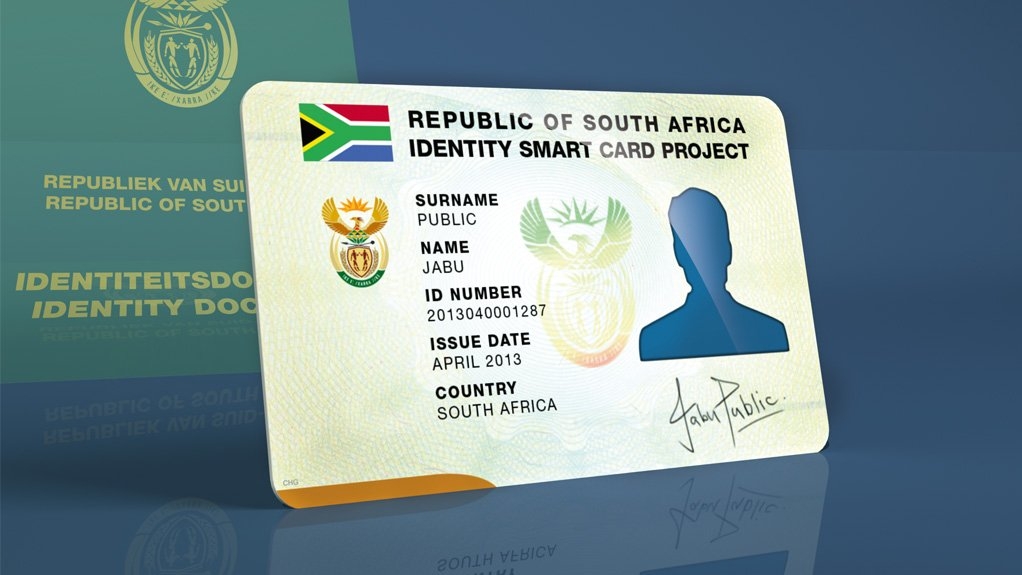
The Department of Home Affairs issued more than four million Smart ID cards during the 2025/26 financial year, marking the highest single-year output in the department’s history.
Deputy Minister Njabulo Nzuza announced the milestone during the Home Affairs Budget Vote Debate in the National Assembly on Friday, saying the achievement far exceeded the department’s target of 2.75 million cards.
“In the 2025/26 financial year, we issued a record-breaking number of Smart ID cards of just above four million, far exceeding the target of 2 750 000. This is the highest single-year output in our department’s history,” Nzuza said.
The deputy minister said first-time Smart ID issuances have grown significantly from 622 539 in the 2020/21 financial year to 1 032 327 in the 2025/26 financial year.
Digital transformation advances with 60 million records digitised
Nzuza highlighted the department’s digital transformation efforts, revealing that more than 60 million civic records have been digitised since the project began. The department plans to digitise a further 25 million records during the 2026/27 financial year.
“This is not merely the transfer of paper to digital platforms; it is the construction of a modern, efficient and accessible state capable of responding to the needs of its people with speed, dignity and integrity,” he said.
The deputy minister described the digitisation project as one of the most significant administrative reform efforts undertaken in the democratic era.
Birth registration and passport services exceed targets
The Civic Services Branch exceeded its annual target by registering 680 555 babies within 30 days of birth, surpassing the target of 677 000. Nzuza said the department plans to automate birth registration processes at health facilities during the 2026/27 financial year.
“A legal identity secured at birth is not merely an administrative process; it is the first recognition of citizenship, dignity and belonging,” he said.
Passport services also outperformed targets, with the department issuing 98.72% of passports for minors within 18 days and 96.32% of adult passports within 13 days.
Mobile offices reach vulnerable communities
Home Affairs mobile offices conducted 6 304 visits during the year, exceeding the annual target. This included 5 010 visits to public schools and 516 visits to special schools.
The mobile office programme assisted individual citizens like Mandla Mziwabantu (94), who received his first Smart ID card during a departmental outreach in Matatiele.
ALSO READ: Department of Home Affairs extends operating hours
When fire destroyed hundreds of structures in Du Noon, Cape Town, the department provided cost waivers for affected residents to replace lost identity documents and birth certificates free of charge.
Preparations for 2026 local elections
Looking ahead to the 2026 local government elections, Nzuza encouraged South Africans to collect their identity documents.
“As we look toward the 2026 Local Government Elections, I encourage all citizens to collect their IDs. Your identity is your voice. It is your heritage. It is your freedom,” he said.
Staff development and culture change
The department completed digital literacy training for 2 861 officials, exceeding its target of 2 500. Women represented more than 65% of training beneficiaries.
The department established five provincial virtual training hubs and launched e-learning modules in ethics and client relations as part of its culture change strategy.
“We’re resolute in our mission to transform Home Affairs into a professional, ethical, high-performing institution serving all people with dignity,” Nzuza said.
Despite the achievements, the deputy minister acknowledged ongoing staffing and budgetary pressures affecting the department’s operations.
ALSO READ: Home Affairs exceeds target with 110 bank branches offering ID services

