The Department of Home Affairs has surpassed its goal of rolling out services to 100 bank branches by the end of March, with 110 branches now operational across South Africa.
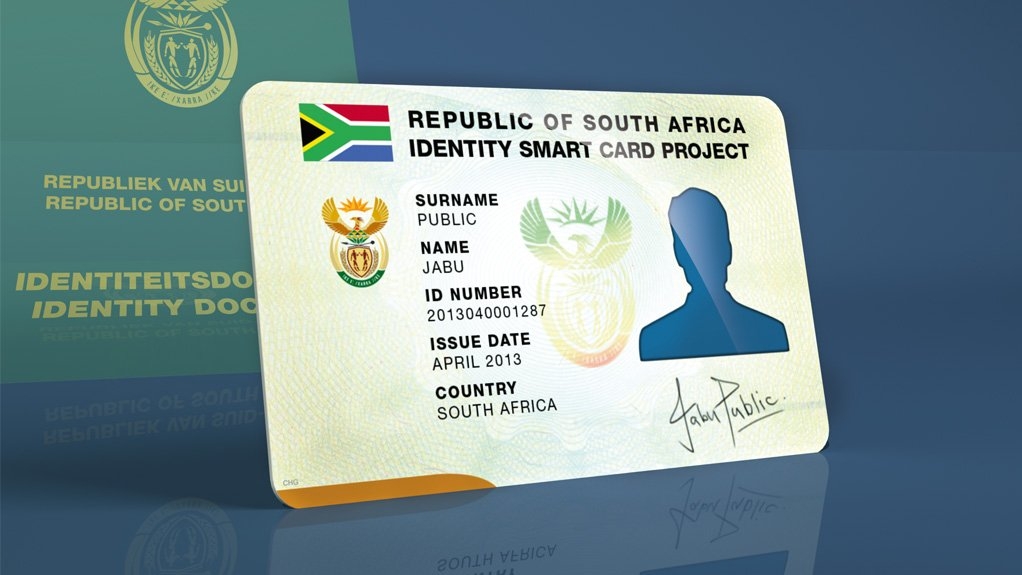
The milestone was reached just three weeks after the first branch launched under the department’s Digital Partnership Model, which allows citizens to replace their Smart IDs at participating banks.
First National Bank has become the third bank to join the rollout, with three branches now offering the service alongside 77 Capitec Bank branches and 30 Standard Bank branches.
The expansion represents a 44% increase in service points compared to the 248 existing Home Affairs offices that offer Smart ID services.
More than 25 000 Smart ID applications have been processed through bank branches since the rollout began, with the system handling applications at a rate of more than one per minute.
ALSO READ: Home Affairs partners with major banks to revolutionise ID and passport applications
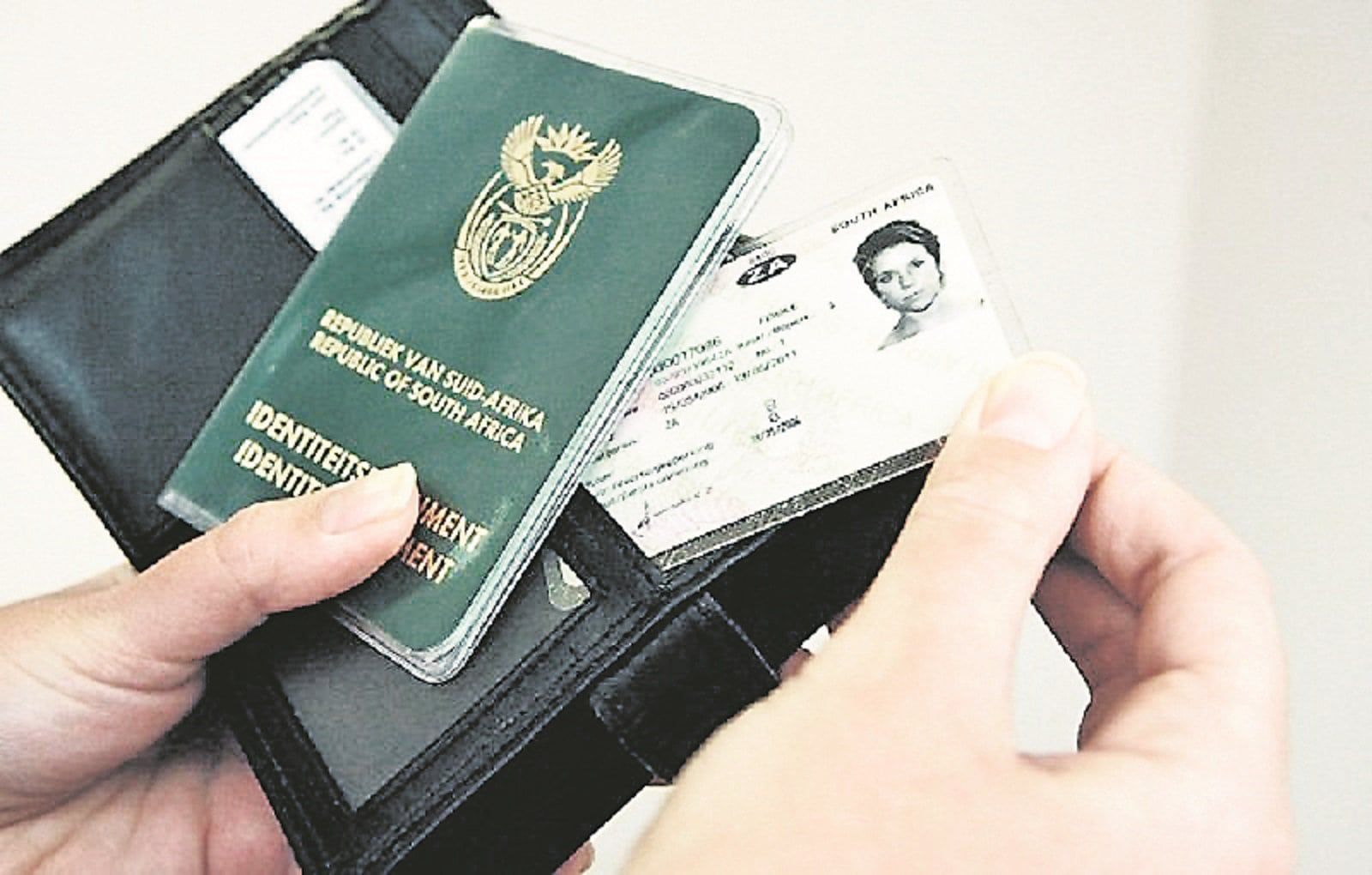
Citizens can apply to replace their Green ID Book or a lost Smart ID at participating branches in as little as five minutes, using fingerprint and facial recognition technology. No prior booking or paperwork is required.
The initiative forms part of the Home Affairs @ home reform programme, which aims to bring government services closer to where people live.
“The rapid pace at which Home Affairs is fixing long-standing problems is a testament to the power of reform-minded leadership that embraces innovation,” Home Affairs Minister Dr Leon Schreiber said.
The minister said first-time Smart ID applications, passport applications, secure courier delivery of identity documents and applications via digital banking apps would become available in the coming weeks.
ALSO READ: Home Affairs partners with banks to cut queues and bring services closer to citizens
“By expanding access and inclusion at a scale and pace not seen before, we are eliminating long queues and freeing up Home Affairs resources and officials to focus on complex tasks that have been neglected for decades, including late birth registrations and ensuring the systematic documentation of all South Africans in underserved areas,” Schreiber said.
The department is targeting 1 000 bank branches by 2029 as outlined in the Medium-Term Development Plan. Absa Bank and Nedbank are currently in testing phases and are expected to launch once testing is complete.
Existing Home Affairs branches and mobile offices remain available. Citizens can find their nearest participating bank branch at www.dha.gov.za/banks.