

In a landmark development that could end one of the region’s most devastating conflicts, Israel and Hamas have reached a comprehensive ceasefire agreement that will see the release of remaining hostages within days and mark a significant step toward ending the Gaza war that has claimed tens of thousands of lives.
The agreement, set to be signed today (9 October), represents a major breakthrough in the two year conflict that began with Hamas’s unprecedented 7 October 2023 attack on Israel. The deal calls for Israel to release hundreds of Palestinian prisoners while prompting a surge of humanitarian aid into the war-torn territory.
Palestinian militant group Hamas is to release all hostages while Israel would pull its troops back to an agreed line, according to US President Donald Trump, who announced the breakthrough following talks in Egypt on his comprehensive 20-point peace plan. A source within Hamas told AFP the group will exchange 20 living hostages simultaneously for nearly 2,000 Palestinian prisoners as part of the deal’s first phase, with the swap scheduled to happen within 72 hours of implementation.
Trump expressed confidence that all the hostages would “all be coming back on Monday,” adding that Washington will play a crucial role in helping rebuild war-torn Gaza while ensuring it remains safe and peaceful. The hostages are to be freed in exchange for 250 Palestinians sentenced to life imprisonment and 1,700 others arrested by Israel since the war began, according to Hamas sources.
The Israeli Defense Forces announced this morning that they have begun operational preparations for troop withdrawal following the ceasefire agreement. “The IDF has begun operational preparations ahead of the implementation of the agreement. As part of this process, preparations and a combat protocol are underway to transition to adjusted deployment lines soon,” the military confirmed in an official statement.
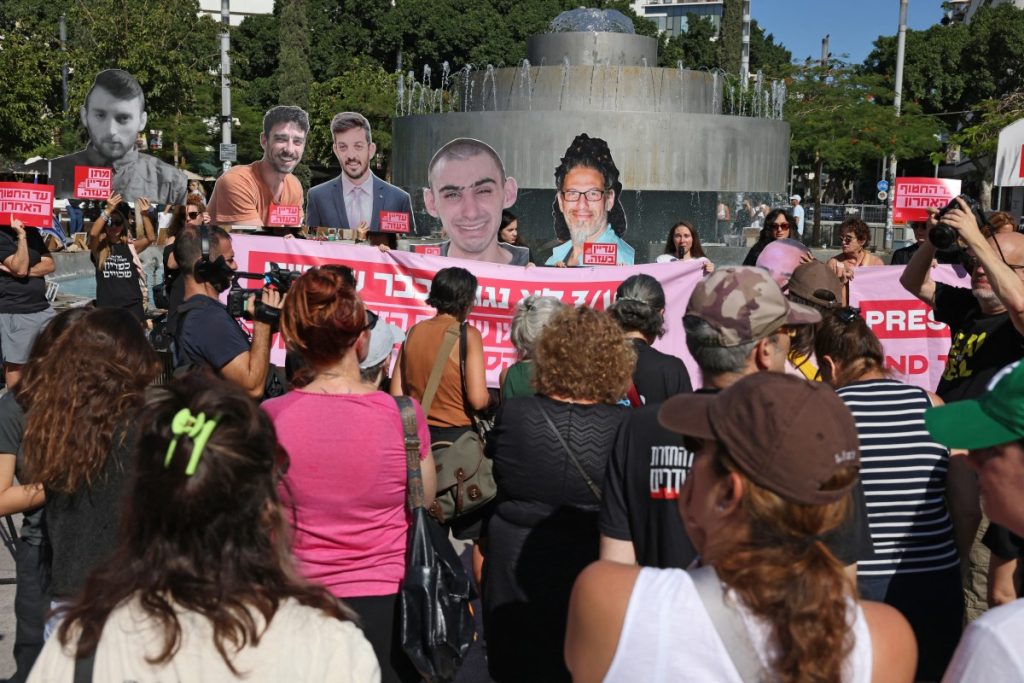
This announcement marks the first concrete step toward ending Israel’s military presence in Gaza since the conflict began, signaling a genuine commitment to the peace process. Israeli Prime Minister Benjamin Netanyahu said he would bring the hostages home “with God’s help,” while an official source confirmed the premier’s cabinet would meet Thursday to approve the deal.
Qatar played a pivotal role in brokering the agreement, with officials describing it as the “first phase of the Gaza ceasefire agreement, which will lead to ending the war, the release of Israeli hostages and Palestinian prisoners, and the entry of aid.” The fast-paced developments came after AFP journalists witnessed US Secretary of State Marco Rubio interrupt a White House event on Wednesday to hand Trump an urgent note about the progress of negotiations in Egypt.
Trump indicated he may travel to the Middle East this week as the deal neared completion, stating, “I may go there sometime toward the end of the week, maybe on Sunday.” The president added that he was “most likely” to visit Egypt but would also consider traveling to war-torn Gaza, demonstrating the high-level diplomatic attention this agreement has received.
Hamas had submitted a comprehensive list of Palestinian prisoners it wants released from Israeli jails in the first phase of the truce. High-profile inmate Marwan Barghouti from Hamas’s rival Fatah movement is among those the group wanted to see released, according to Egyptian state-linked media. Hamas’s top negotiator, Khalil al-Hayya, emphasized that the Islamist group wants “guarantees from President Trump and the sponsor countries that the war will end once and for all.”
The negotiations involved delegations from Islamic Jihad, which has also held some hostages in Gaza, as well as the Popular Front for the Liberation of Palestine, indicating the broad coalition required to achieve this breakthrough.
The announcement brought overwhelming relief to Gaza residents who have endured more than two years of devastating conflict. “Honestly, when I heard the news, I couldn’t hold back. Tears of joy flowed. Two years of bombing, terror, destruction, loss, humiliation, and the constant feeling that we could die at any moment,” said displaced Gazan Samer Joudeh. “Now, we finally feel like we’re getting a moment of respite.”
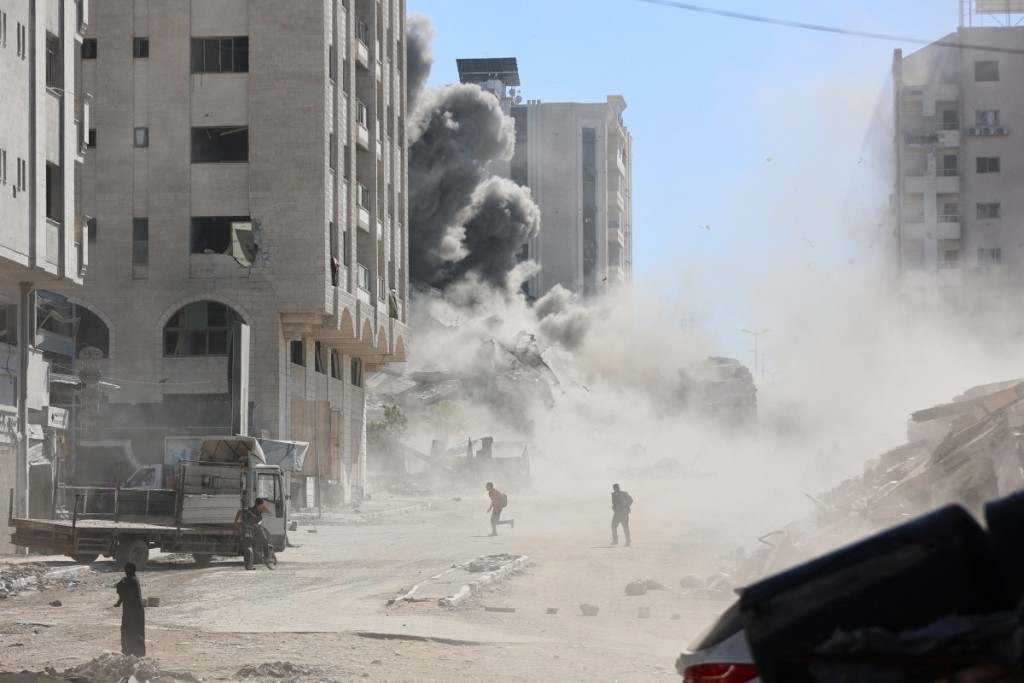
Despite the breakthrough, the reality on the ground remained tense, with bombardment continuing in Gaza hours before the deal announcement. An AFP journalist in Israel near the Gaza border reported hearing multiple explosions Thursday morning, highlighting the urgency of implementing the ceasefire.
The negotiations took place under the shadow of the second anniversary of the Hamas attack on Israel, which resulted in the deaths of 1,219 people, mostly civilians, according to an AFP tally based on official Israeli figures. Militants also took 251 people hostage into Gaza, where 47 remain, including 25 the Israeli military says are dead.
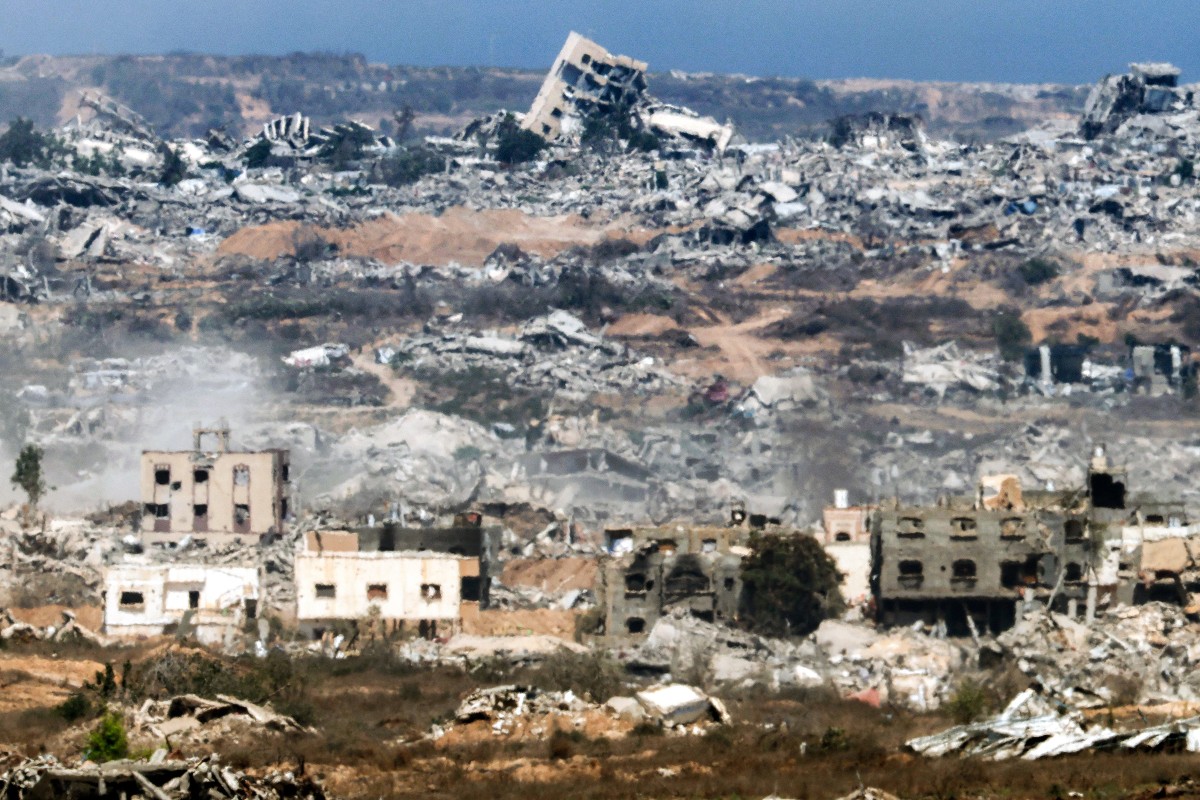
Israel’s military campaign in Gaza has killed at least 67,183 people, according to the health ministry in the Hamas-run territory, figures the United Nations considers credible. The data does not distinguish between civilians and combatants but indicates that more than half of the dead are women and children. Global pressure to end the war has escalated dramatically, with much of Gaza flattened, a UN-declared famine unfolding, and Israeli hostage families still longing for their loved ones’ return.

Trump’s ambitious plan called for a complete ceasefire, the release of all hostages held in Gaza, Hamas’s disarmament, and a gradual Israeli withdrawal from the territory. The framework represents a significant departure from previous negotiation attempts, with the incoming administration taking a more direct role in Middle Eastern diplomacy from the outset.
The territory’s civil defense agency, a rescue force operating under Hamas’s authority, reported that bombardment of Gaza had not stopped in the hours before the deal, underscoring the critical importance of swift implementation to prevent further casualties.
This agreement represents the most significant progress toward peace since the conflict began, offering hope for millions of civilians caught in the crossfire. The success of this first phase will be crucial in determining whether the ceasefire can lead to a lasting peace agreement and comprehensive reconstruction of the devastated Gaza Strip.
The international community now faces the challenge of ensuring the deal’s successful implementation while building mechanisms for long-term stability. With massive reconstruction needs, ongoing humanitarian crises, and deep-seated political divisions, the path from ceasefire to lasting peace remains complex and uncertain.
As optimism prevails among negotiators and civilians alike, the next 72 hours will be critical in determining whether this breakthrough can truly mark the beginning of the end for one of the region’s most intractable conflicts.
ALSO READ: Trump’s Gaza peace plan wins Netanyahu backing, but threatens action if Hamas refuses



You must be logged in to post a comment.