


A historic ceasefire agreement officially signed this week has brought an end to one of the most devastating conflicts in recent Middle Eastern history, concluding 24 months of warfare that began with Hamas’s unprecedented attack on Israel and evolved into a regional crisis affecting millions.
The conflict erupted at dawn on 7 October 2023, during the Jewish festival of Simhat Torah, when hundreds of Hamas fighters infiltrated Israel from the Gaza Strip under cover of rocket barrages. The assault on kibbutzim and a rave music festival killed 1,219 people, mainly civilians, according to Israeli officials, while attackers seized 251 hostages and brought them back to Gaza.
Israeli Prime Minister Benjamin Netanyahu’s government launched an immediate and massive retaliation, vowing to destroy Hamas and recover all hostages. The air and ground campaign that followed has left more than 67,800 Palestinians dead, mostly civilians, according to Gaza’s Hamas-run health ministry.
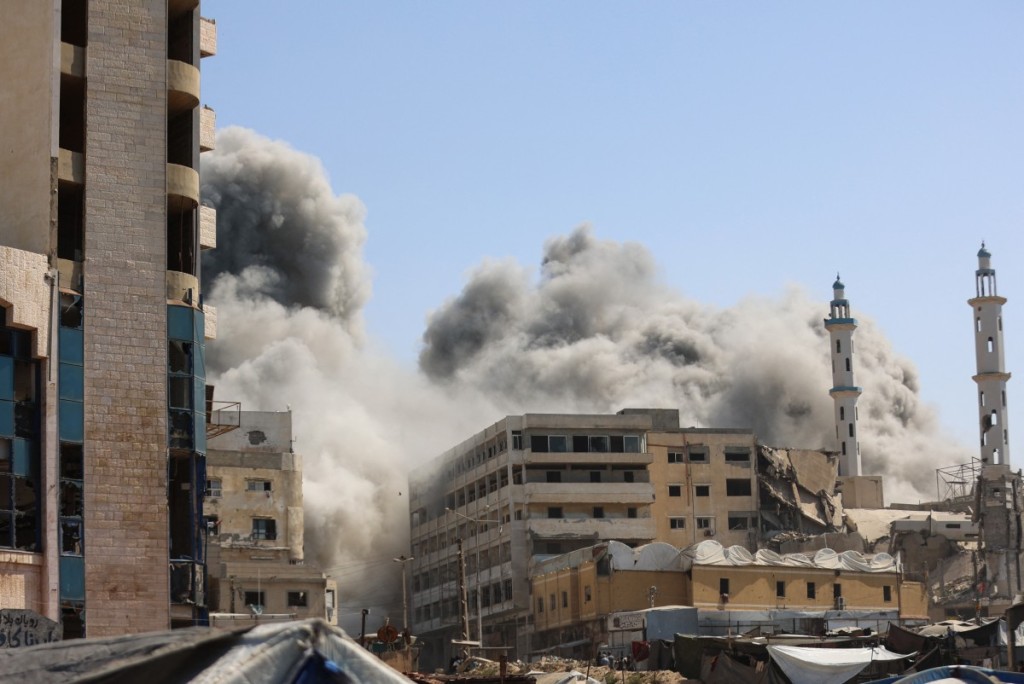
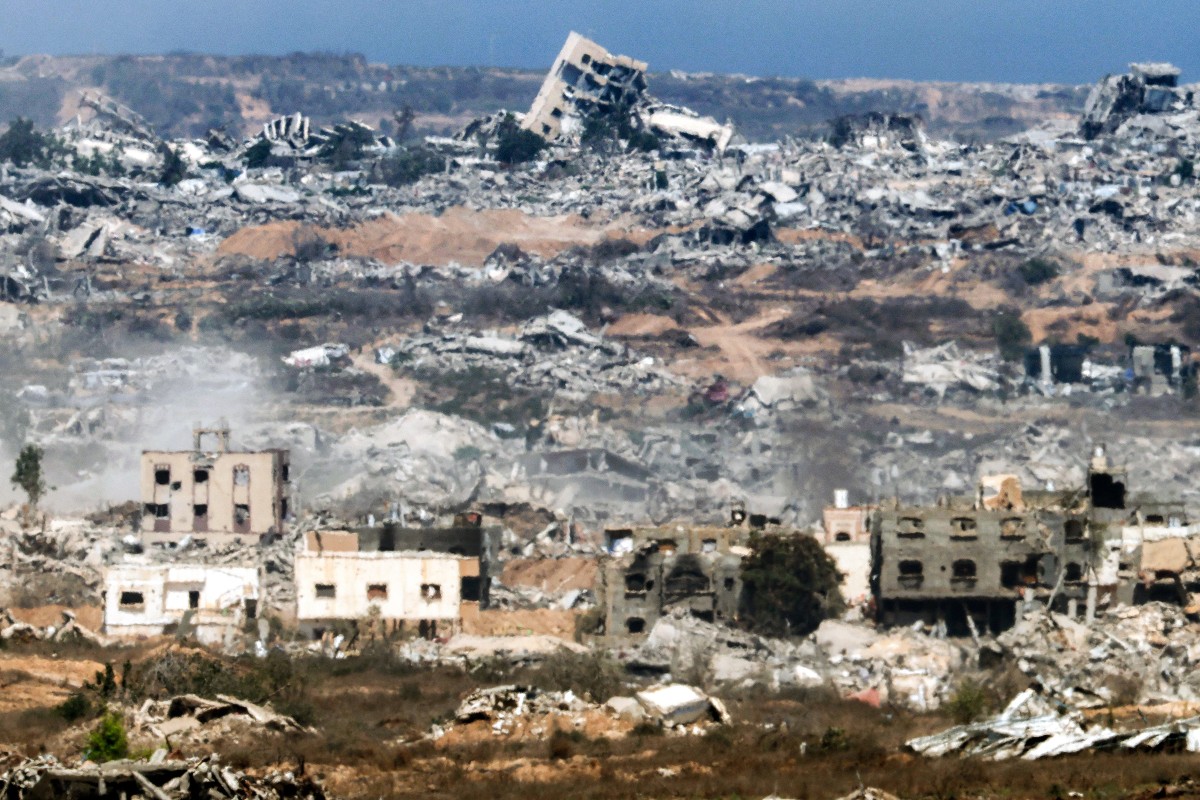
The scale of destruction proved unprecedented in recent history. United Nations officials report that 83 percent of Gaza’s buildings have been damaged or destroyed, including hospitals and schools, forcing most of the territory’s two million inhabitants to flee their homes multiple times.
Intelligence failures on the Israeli side became apparent as the conflict progressed. Israel’s domestic intelligence agency Shin Bet later acknowledged its failure to prevent the attack, citing an “overarching assessment that Hamas was more focused on inciting violence in the occupied West Bank” and admitting that “a policy of quiet had enabled Hamas to undergo massive military buildup.”
The hostage situation became a central focus throughout the conflict. A total of 141 hostages—eight of them already deceased—were freed during truces in November 2023 and early 2025, with Israel releasing more than 2,000 Palestinian prisoners in exchange.
Yesterday’s ceasefire marked the final chapter of this tragic saga, as the remaining 20 living hostages were freed in the first stage of the peace accord engineered by US President Donald Trump. The agreement also initiated the repatriation of 28 deceased captives, including a soldier killed in 2014. In return, Israel released 1,968 Palestinian prisoners.
What began as a bilateral conflict quickly expanded across the Middle East. Lebanon’s Hezbollah began firing rockets at Israel from southern Lebanon almost immediately, leading to two months of open warfare between September and November 2024 before a fragile truce took hold.
Yemen’s Iran-backed Houthi rebels demonstrated solidarity with Palestinians by targeting international shipping and launching missile and drone attacks on Israel. Most dramatically, Israel and Iran engaged in a 12-day direct confrontation in mid-June 2024, with Israel striking military and nuclear sites while Iran responded with extensive drone and missile barrages targeting Israeli cities.
Iran launched two separate direct attacks on Israel in 2024, using waves of drones and missiles in retaliation for Israel’s deadly strike on its Damascus consulate and the Israeli assassination of Hamas and Hezbollah leaders.
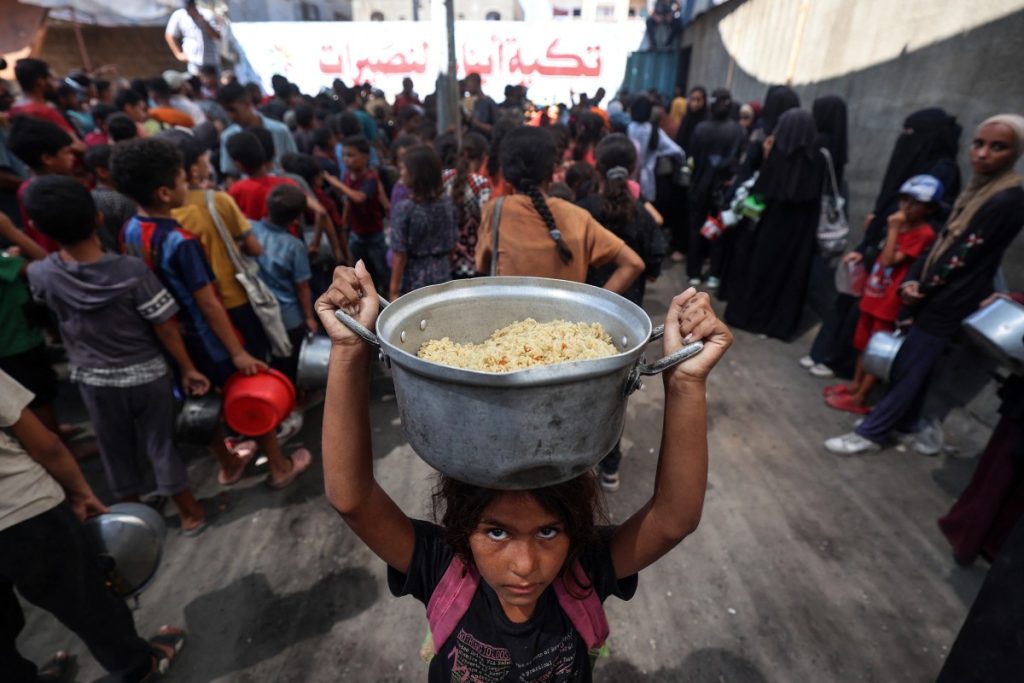
The humanitarian cost proved staggering. Israeli authorities imposed a complete blockade on humanitarian aid for 11 weeks starting in March 2025, only partially easing restrictions in late May. After months of international warnings, a UN agency declared a state of famine in parts of Gaza in August, which Israel disputed.
The crisis drew international legal scrutiny. In mid-September, UN investigators accused Israel of conducting “genocide” in Gaza—charges Israel rejected while accusing the UN of bias. The International Criminal Court issued arrest warrants in 2024 for Netanyahu and former Defense Minister Yoav Gallant for alleged war crimes and crimes against humanity.
WATCH:
The breakthrough came following Israel’s major ground offensive launched 16 September to capture Gaza City, described as one of Hamas’s last strongholds. President Trump presented a comprehensive 20-point peace plan on September 29, calling for an immediate ceasefire, hostage releases within 72 hours, staged Israeli withdrawal from Gaza, Hamas disarmament, and establishment of a technocrat-led transitional authority.
After four days of indirect negotiations in Egypt mediated by the United States and other international partners, the accord was finalised on 9 October. The ceasefire took immediate effect, triggering a mass return of displaced Palestinians toward northern Gaza.
The peace process culminated yesterday with a summit in Sharm el-Sheikh chaired by President Trump and Egyptian President Abdel Fattah al-Sisi, attended by more than two dozen world leaders including Palestinian Authority President Mahmud Abbas and UN Secretary-General Antonio Guterres. Notably absent were Netanyahu and Hamas representatives, signaling the complex diplomatic challenges that remain.
As the guns fall silent after 24 months of warfare, the region now faces the monumental task of rebuilding not just Gaza’s shattered infrastructure, but the foundations of lasting peace between Israelis and Palestinians.
ALSO READ: Trump celebrates Middle East ceasefire victory in regional tour




You must be logged in to post a comment.