


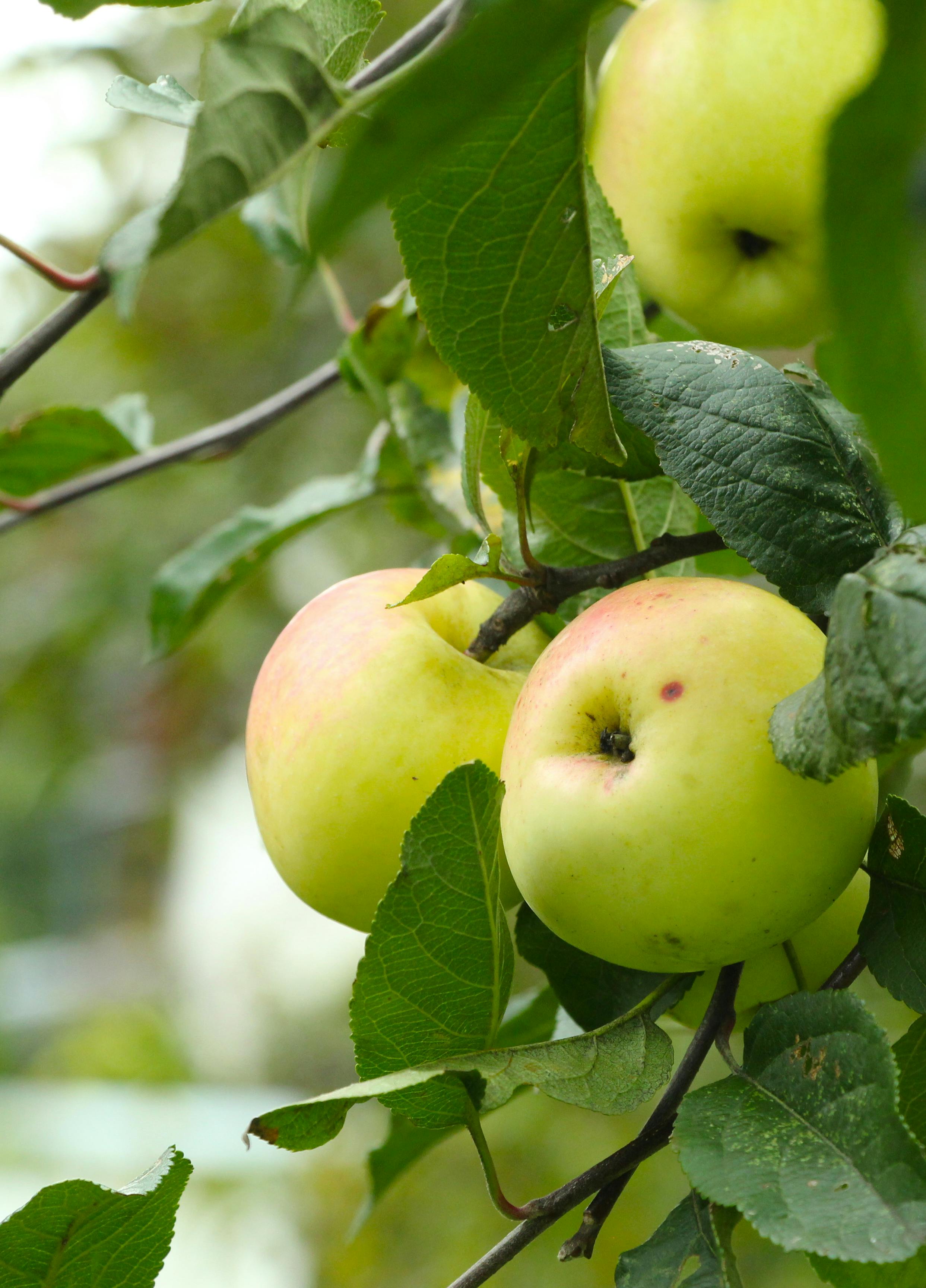
CAPE TOWN – A living piece of South African history has found a new home at Hoërskool Jan van Riebeeck, where the planting of one of the country’s rarest apple trees is creating a legacy for generations to come.
The South African apple industry marked its 364th anniversary on Friday 17 April, and Tru-Cape Fruit Marketing commemorated this milestone by planting only the fourth known Witte Wijnappel tree (white wine apple) in South Africa the school.
The historic Witte Wijnappel tree, believed to be the same cultivar first planted by Jan van Riebeeck more than 360 years ago was donated by Tru-Cape thanks to former learner and Tru-Cape’s quality assurance manager, Henk Griessel as part of the school’s centenary celebrations.
Prior to this latest planting, only three Witte Wijnappel trees existed locally at Tru-Cape’s heritage orchard in Grabouw, at Babylonstoren, and in the Cape Gardens.
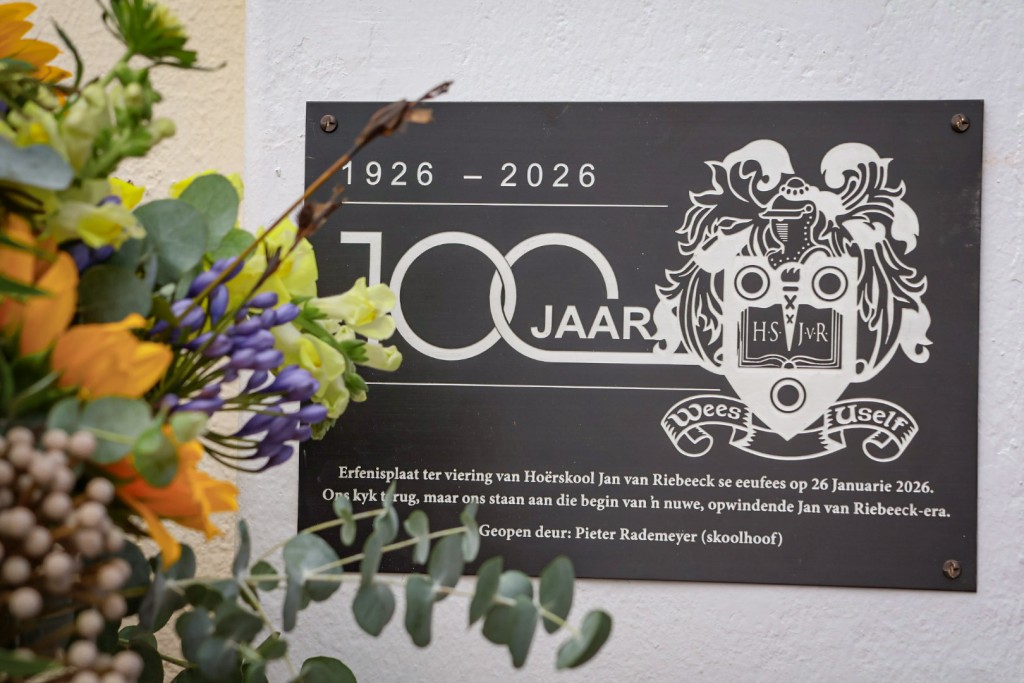
Jana Rademeyer, centenary festival manager at the school, said this is more than just a symbolic gesture.
“They have brought back to South Africa the oldest apple tree ever planted in the country, which was described by Jan van Riebeeck in his journal. It was therefore a great surprise and an unexpected bonus for us to receive this remarkable gift.”
Rademeyer said the tree represents heritage and environmental awareness. “To have been selected as the venue for this special tree is a tremendous honour. Being connected to such a rich heritage story is almost beyond comprehension.
“It also stands as a testament to the remarkable and talented alumni our school has produced over the years – people who make meaningful contributions and bring about lasting change in preserving and enriching our country’s heritage.”
Teaching through nature
She added that it is a long-term lesson for learners about the value of nature, history and the role they play in preserving it. “It is our dream to make children more aware of their environment and of the value that nature and especially trees bring to a space,” Rademeyer said.
“We involved the learners in our first tree-planting day and taught them, step by step, how to plant a tree. They helped to dig the holes, work bone meal into the soil, loosen the roots, and then plant the tree, support it with a stake, and water it thoroughly.”
She believes the planting of the tree will create a legacy at the school.
“They (learners) will only truly understand this later, and that is the remarkable thing about a school system. They receive the information and are being exposed to it; the seeds are being planted,” Rademeyer related.
READ ALSO: From decline to recovery: Turning the tide for South Africa’s threatened plants
“But only as they grow older and encounter these themes again in conversations do they realise that they can join in, and that they are part of a much bigger picture.”
Jeanne Fourie, Tru-Cape’s cultivar specialist, said: “Today, South Africa is home to approximately 45 million apple trees and produces 1,3 million tonnes of apples annually, making us the largest apple exporter in the Southern Hemisphere.”
Fourie added that South Africa exports apples to more than 100 countries, with the industry supporting more than 240 000 jobs.
Witte Wijnappel trail
Fourie said the journey to reintroduce the historic Witte Wijnappel cultivar to South Africa has been years in the making. Griessel and colleague Buks Nel undertook extensive research into the origins of South Africa’s apple industry.
She explained that their research led them to the archives of the Vereenigde Oost-Indische Compagnie (VOC) and centuries-old illustrated pomological texts, ultimately tracing the cultivar to two surviving trees in a private garden between the Rhine and Maas rivers in the Netherlands.
“Sadly, the area was heavily bombed during the Second World War, and it is a true miracle that the apple trees survived,” Fourie said.
Fourie said, despite South Africa’s strict plant import regulations, plant material was eventually brought into the country and successfully established.
Roelf Pienaar, Managing Director of Tru-Cape, praised both the industry and the school.


You must be logged in to post a comment.