

After eight years on sick leave, a Judicial Conduct Tribunal has been appointed to look into the matter of Free State High Court Judge Lepono Lekale.
Judge Lekale actively served as a judge for six years before he suffered an unexplained illness affecting his eyesight. Since June 2018, he was unable to perform his duties as a judge and took sick leave.
In the time since, he has submitted medical certificates to the Free State Judge President Cagney Musi, indicating that he was still unwell and not fit to resume his duties.
In 2023, five years’ sick leave had been taken, and when it became clear that Judge Lekale could still not return to work, Judge President Musi approached Chief Justice Zondo for guidance on what to do. Chief Justice Zondo suggested that Musi speak to Lekale on the option of voluntarily requesting early retirement due to ill-health. Musi then spoke to Lekale, who asked to think about the suggestion.
Lekale came back and told Musi that he could not take early retirement because he was advised by a traditional healer that his ancestors simply did not allow him to take early retirement, and should he do so, he would be permanently blind.
Left with no option, Judge President Musi filed with the Judicial Conduct Committee on 31 January 2025 a complaint of judicial incapacity against Judge Lekale.
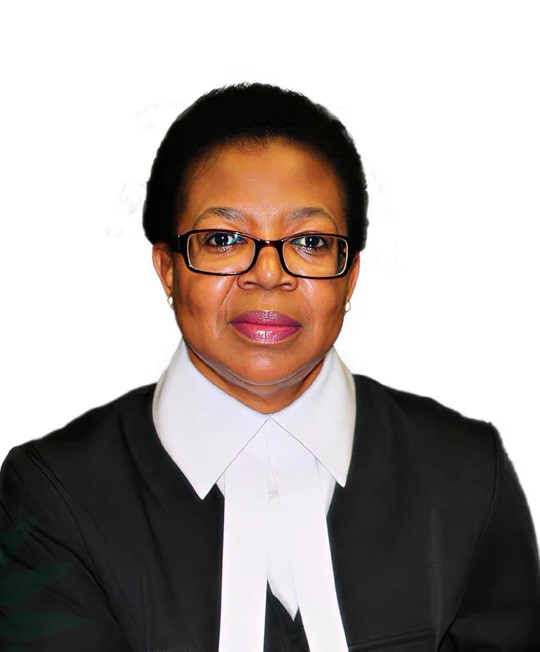
The Tribunal panel is composed of retired Judge Xola Petse as Tribunal president, retired Judge Irma Schoeman, and non-judicial member Advocate Lesego Montsho-Moloisane SC
The Tribunal opened with a ruling on 22 July that the proceedings would be open to the public and the media in the interests of transparency. Free State Judge President Cagney Musi was the first and only witness, outlining Judge Lekale’s prolonged illness, repeated medical leave since 2018, and the circumstances that led to the judicial incapacity complaint. He also raised concerns about the impact of Lekale’s eight-year absence on the judiciary and public confidence.
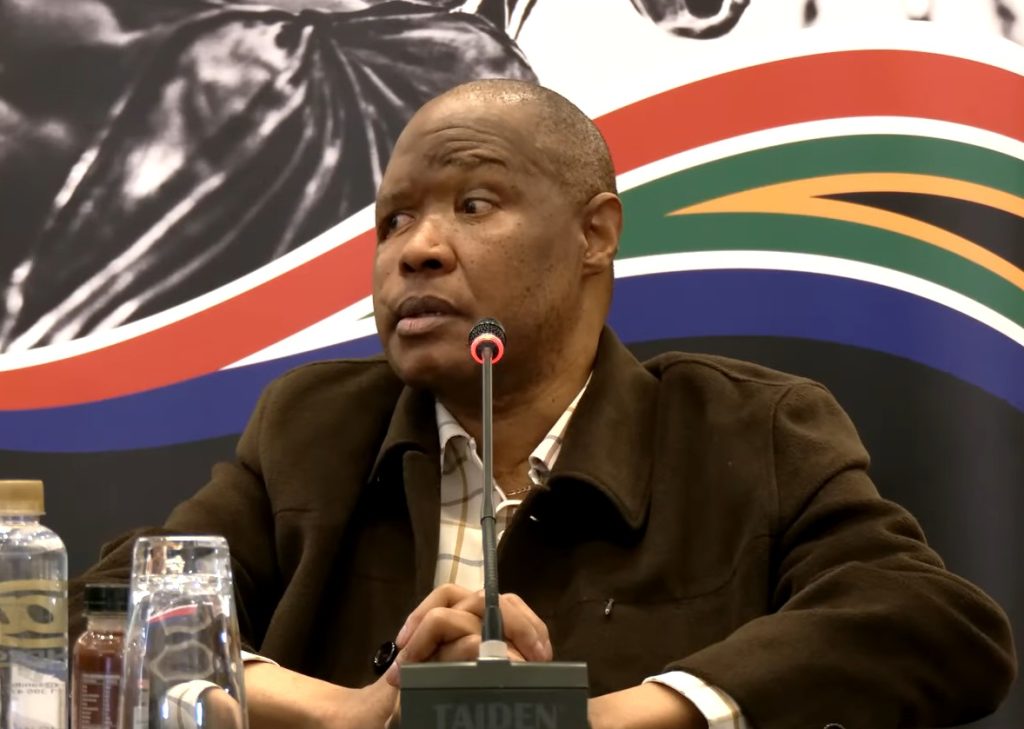
On the second day on 23 July, Judge Lekale testified in his own defence, explaining his medical condition, his reliance on traditional healers’ advice, and his continued belief that he would regain his eyesight. He acknowledged that his condition now appeared to amount to judicial incapacity but maintained his refusal to accept medical boarding. The Tribunal concluded the evidence and directed both parties to file written arguments before preparing its report for the Judicial Service Commission.
Tribunal President Petse asked both parties to file written arguments by the end of August. Thereafter, the tribunal will submit its report to the Judicial Service Commission.




You must be logged in to post a comment.