


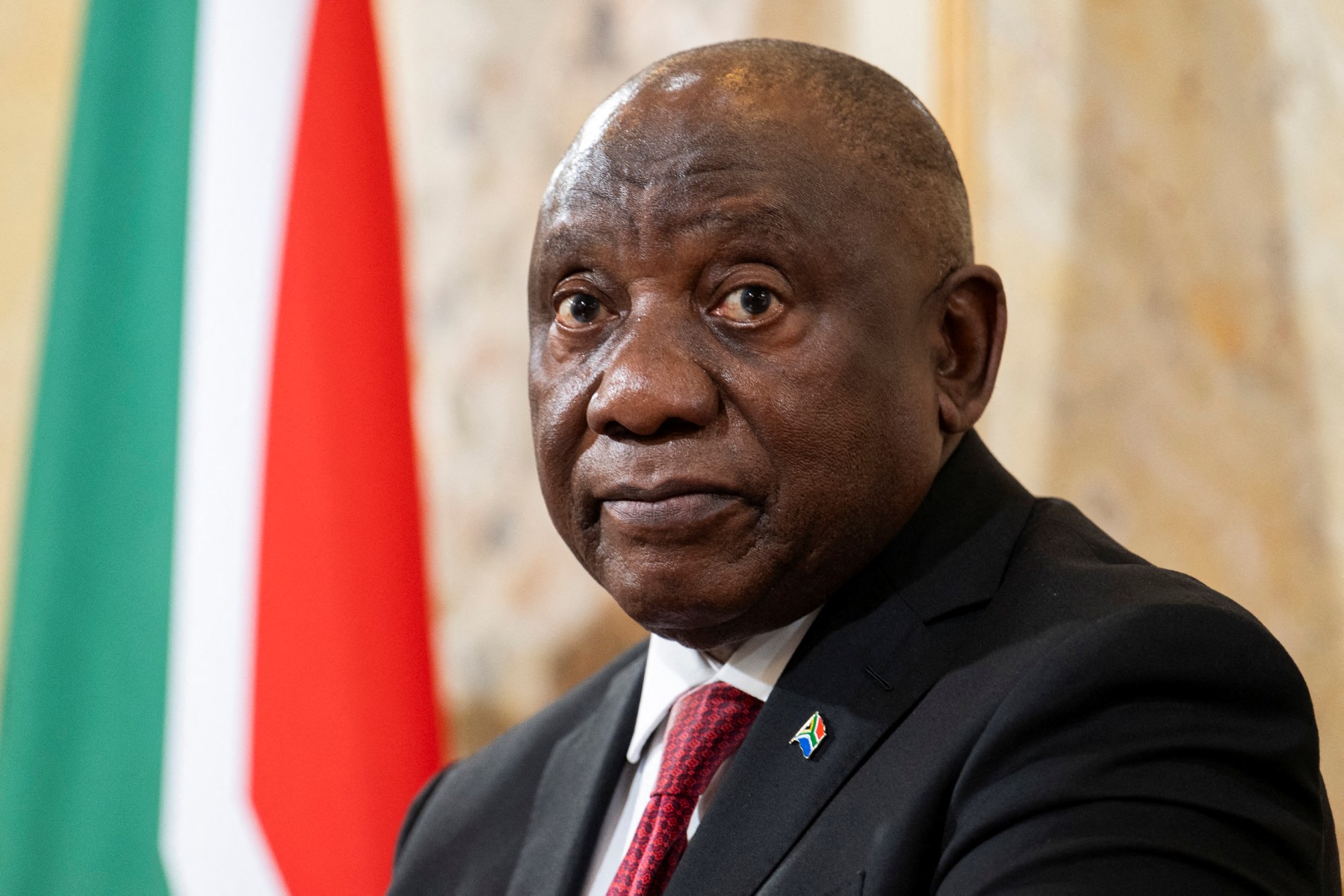
JOHANNESBURG – South Africa’s Constitutional Court has become one of the few women-majority apex courts globally following President Cyril Ramaphosa’s appointment of two female judges to the bench.
Justice Nambitha Christabel Dambuza-Mayosi and Justice Katharine Mary Savage will join the Constitutional Court on 1 May 2026, bringing the historic shift as the country marks 70 years since the Women’s March and 30 years of its democratic Constitution.
The appointments, made after consultation with Chief Justice Mandisa Maya and political party leaders, represent a significant milestone in a country where only two of over 100 judges were women in 1994.
Justice Dambuza-Mayosi brings 21 years of judicial experience to the Constitutional Court. She has served as a Supreme Court of Appeal judge since June 2015, including an extended period acting as president. Her career spans more than three decades in legal practice, academia and the judiciary.
She previously served as an Eastern Cape High Court judge from 2005 to 2015 and practised as an attorney from 1992 to 2003. Justice Dambuza-Mayosi holds degrees from the University of KwaZulu-Natal and an LLM from Tulane University as a Fulbright Scholar. She currently chairs Nelson Mandela University’s governing council.
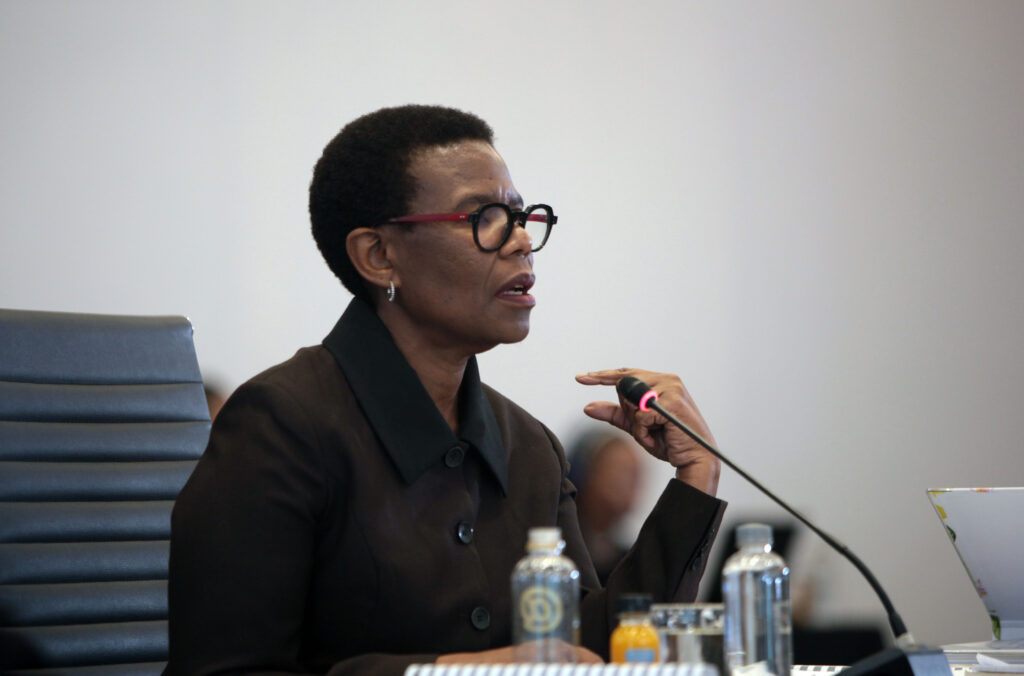
Justice Savage contributes 11 years of judicial experience and recognition as one of South Africa’s leading labour law experts. She has been a Western Cape High Court judge since 2015 and joined the Labour Appeal Court in 2024. In 2022, the United Nations General Assembly elected her as a judge on the UN Appeal Tribunal.
Justice Savage participated in drafting the democratic Constitution as a legal researcher in the ANC’s Constitutional Commission from 1995 to 1996. She holds degrees from the University of Cape Town and an LLM from the University of Notre Dame as a Fulbright Scholar.
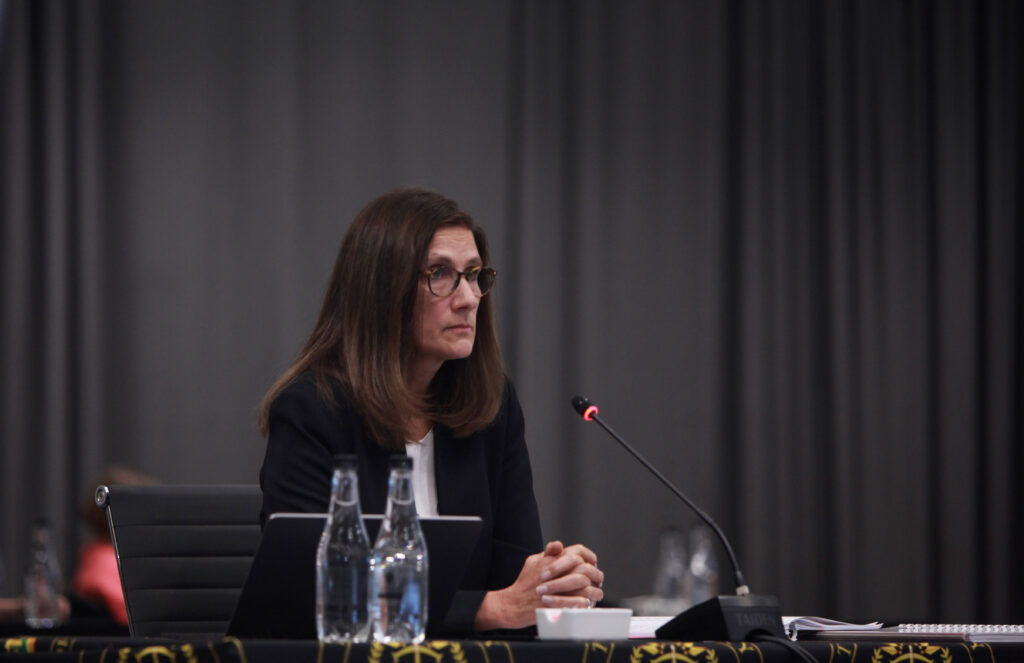
President Ramaphosa said both judges have served justice “with great diligence, foresight and, most importantly, clear commitment to our Constitution.”
However, advocacy group Judges Matter welcomed the appointments while expressing concern about the 184-day delay between interviews and announcement – the longest in democratic South Africa’s history.
The organisation highlighted institutional challenges facing the Constitutional Court, including a case that has taken 500 days since hearing. Research shows the court’s workload has nearly tripled from 120 new cases in 2010 to more than 375 in 2024, while resources have not kept pace.
Court performance has declined from an average of 102 days from hearing to judgement in 2010 to 214 days in 2024.
Mbekezeli Benjamin from Judges Matter called the appointments “welcome news” but urged urgent interventions to allocate more resources to ensure the Constitutional Court delivers justice speedily and regains its global reputation for judicial excellence.
The Constitutional Court will face at least four more vacancies between now and the 2029 election.



You must be logged in to post a comment.