
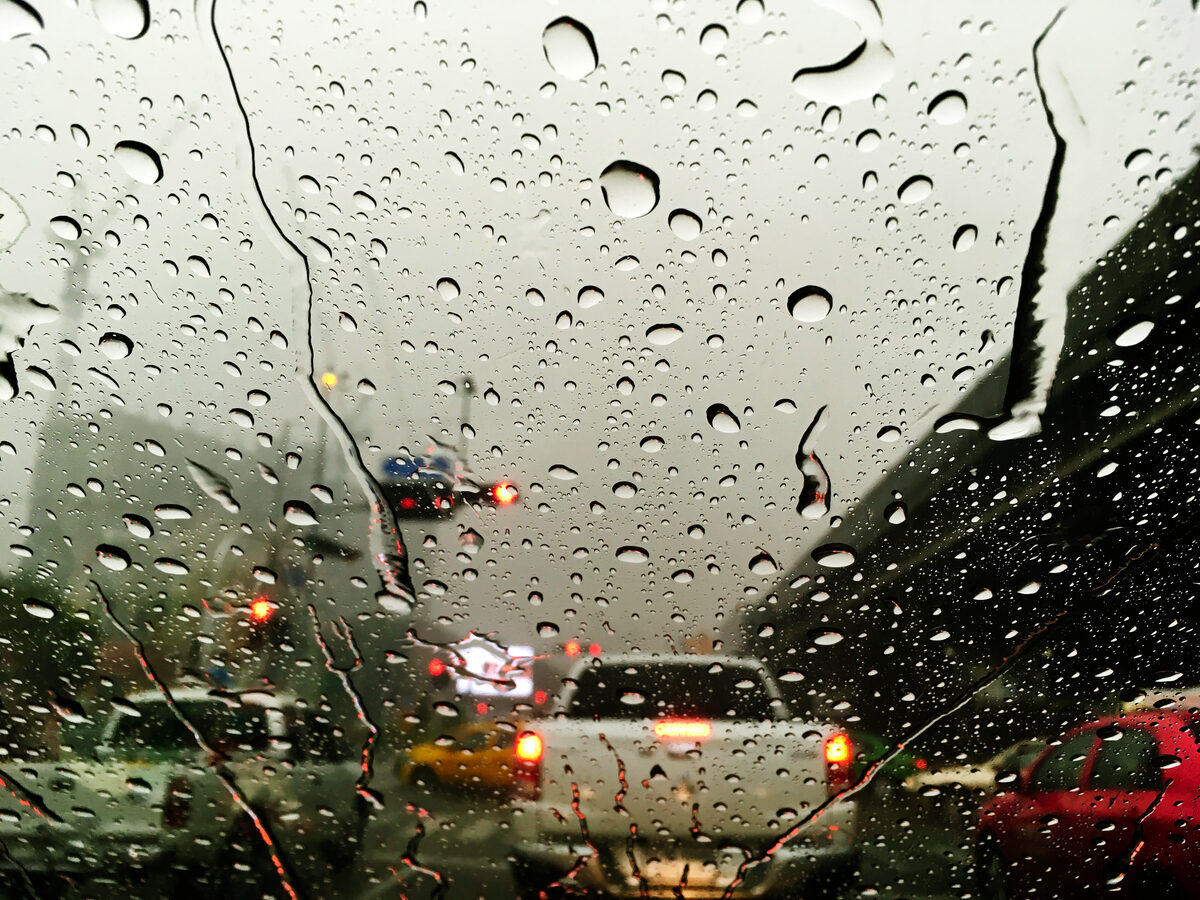
As wintry weather brings treacherous driving conditions across the Overberg the Automobile Association (AA) urges motorists to exercise extreme caution on wet roads.
The apparent early onset of winter has delivered a sobering reminder of nature’s power, with heavy rains and adverse weather conditions over the past weekend creating hazardous driving situations throughout South Africa. The AA is sounding the alarm; wet roads can reduce tyre grip by up to 50%, making even routine journeys potentially dangerous.
Adapt Your Driving Style
“Motorists need to understand that wet conditions fundamentally change how their vehicles behave,” emphasises the AA.
“The same driving techniques that work on dry roads can lead to disaster when surfaces are slick with rain.”
The organisation stresses three critical adjustments all drivers must make:
- Brake earlier to account for increased stopping distances.
- Reduce speed when entering corners and curves.
- Maintain constant focus on road conditions ahead.
Vehicle Preparation is Essential
Before venturing out in wet weather the AA recommends a thorough vehicle-safety check. Windscreen wipers – both front and rear – must be functioning properly to ensure clear visibility. Equally important is verifying that brake systems are in sound working order.
Tire condition deserves special attention, as worn treads can lead to aquaplaning – a dangerous phenomenon where tires lose contact with the road surface and begin skimming across standing water like a speedboat hull.
Critical Safety Guidelines
The AA has compiled a comprehensive list of wet-weather driving tips:
- Test headlights and brake lights functionality;
- Inspect windscreen and wiper condition;
- Check tyre tread depth and overall condition;
- Ensure adequate fuel for your journey
- Switch on headlights even during daylight hours;
- Maintain significantly increased following distances;
- Reduce speed well below posted limits when conditions warrant
- Ensure all occupants wear safety belts
Special Hazards to Avoid
- Never attempt to cross low-lying bridges during floods;
- Approach standing water cautiously; it may be deeper than it appears;
- Avoid known problem areas when possible;
- Remember that speed limits are designed for optimal conditions, not wet weather.
Emergency Preparedness
For longer journeys or travel to areas expecting severe weather, the AA recommends carrying emergency supplies including extra blankets, appropriate clothing, refreshments, and ensuring mobile phones are fully charged.
“Crashes in wet conditions are unfortunately common,” warns the AA. “Now is not the time to take chances with safety. Every driver has a responsibility to adapt their behavior to protect themselves, their passengers, and other road users.”
The message is clear: respect the weather, respect the road and arrive alive. As winter conditions persist, these simple precautions could mean the difference between a safe arrival and becoming a statistic.
Remember: When in doubt, delay your journey. No destination is worth risking lives over. For more road safety information and updates on driving conditions, visit the AA website or contact their emergency services.