
The Overberg region has quietly emerged as one of the Western Cape’s most significant tourism powerhouses, with visitor spending creating ripple effects that extend far beyond the coastal towns and into the heart of our agricultural communities.
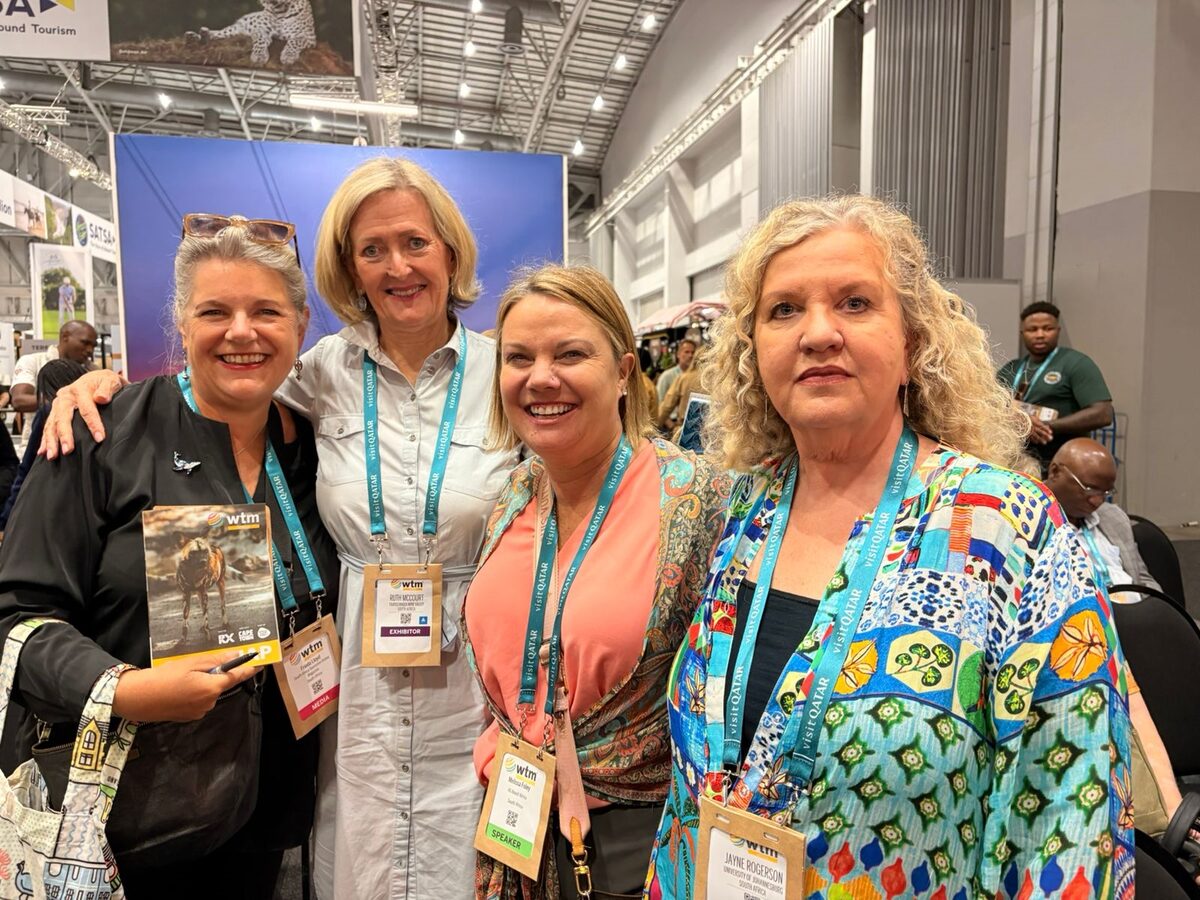
According to Frieda Lloyd, manager of Overberg Economic Development and Tourism, the secret to the region’s success lies in a unique partnership between two key sectors. “Tourism and Agriculture are the dual engines of the Overberg economy, together forming the backbone of our regional GDP,” explains Lloyd. “Tourism historically contributes 10% to 15% of the Western Cape’s total tourism value, but its true strength lies in its synergy with our agricultural sector.”
This synergy has given birth to what Lloyd describes as the region’s “Agri-Tourism Advantage”, which has transformed the Overberg from a simple agricultural area into a premier destination that bridges farming heritage with modern tourism expectations.
“Agri-tourism has become a premier drawcard for the region, bridging the gap between our ‘Bread basket’ reputation and the visitor economy,” notes Lloyd. The region now boasts five distinct wine routes, from the celebrated cool-climate Pinot Noirs of the Hemel-en-Aarde area to the unique shipwreck-coast vineyards of Cape Agulhas, positioning local wine tourism as a global competitor.
The iconic farm stalls dotting the N2 and R43 corridors have evolved into essential retail hubs, serving as crucial links between local producers and consumers. Meanwhile, authentic farm stays have revolutionised the visitor experience by converting day-trippers into overnight guests, significantly boosting the economic impact per visitor.
The region’s tourism strategy has undergone a fundamental shift in recent years, moving away from simply attracting large numbers of visitors to focusing on high-value travelers who spend more time and money in the area. “Over the past five years, our strategy has shifted from chasing high visitor numbers to attracting ‘high-value’ travellers,” explains Lloyd. “These visitors explore the rural nodes rather than sticking only to coastal hubs.”
This strategic pivot has delivered tangible benefits for local communities, creating diversified income streams that reduce total reliance on seasonal harvest cycles while building economic resilience through year-round tourism services.
The employment impact of tourism in the Overberg is both immediate and substantial. Lloyd cites compelling statistics from the Western Cape Government’s “Growth for Jobs” strategy: “For every 10 tourists who visit the region, one job is created or sustained. This 1:10 ratio highlights the direct correlation between visitor arrivals and the economic stability of our local communities.”
To ensure these opportunities translate into sustainable careers for residents, tourism officials across the four local municipalities – Overstrand, Theewaterskloof, Cape Agulhas, and Swellendam – have prioritised targeted skills development programmes.
Recent initiatives include a Community-based Tourism (CBT) Training pilot programme designed to empower local entrepreneurs to integrate their offerings into the formal tourism value chain. The Marine Guide Programme, developed in partnership with the Western Cape Department of Economic Development and Tourism, has been particularly successful in professionalising coastal guides to meet international standards. “Continuous training efforts ensure that the ‘tourism Rand’ stays within the district, providing residents with the expertise needed to manage our world-class attractions,” Lloyd said.
As the Overberg continues to strengthen its position as a premier destination, the integration of agriculture and tourism remains central to the region’s economic strategy. The focus on value-driven tourism, combined with comprehensive skills development, positions the area for sustainable growth that benefits both visitors and the communities that call this remarkable region home. Through this balanced approach the Overberg is proving that tourism can be both economically powerful and authentically rooted in local character and heritage.