
Not a single penguin species in the world is doing well at present. Climate change remains the most pertinent challenge across the world’s penguin populations and in South Africa, the pilchard herpesvirus (PHV) might have taken its toll on the already endangered African Penguins.
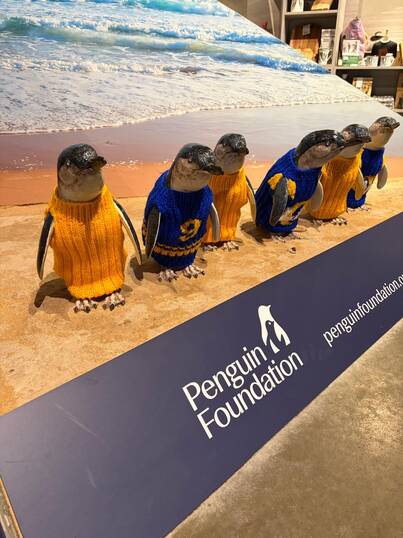
The 12th International Penguin Conference (IPC12) held in Phillip Island, Australia, provided conservationists, scientists, environmentalists, students and communities from across the world the chance to understand challenges in conservation efforts of different penguin species.
On the theme “Advancing Global Research, Conservation and Action”, the conference highlighted the diversity of penguin species. From Australia’s little penguins and rockhopper to yellow-eyed penguins of Aotearoa New Zealand and the iconic emperor penguins of Antarctica.
But one common thread remained.
“Not one penguin species is currently doing well,” said Christine Wessels of Marine Dynamics in correspondence with Hermanus Times. “Climate change is emerging as a major challenge across penguin populations, affecting food availability, breeding success, habitat and the wider marine ecosystems on which these birds depend.”
In South Africa, anxiety looms over marine experts and researchers who are waiting to see and assess the effect of mass sardine deaths that happened throughout August.
While researchers say it is currently “too soon to draw any conclusions about how the die-offs have affected our African Penguins” some of the seabirds have shown drastic weight loss since August. However, a number of the birds have since recovered from the weight loss.
And like all the other penguins, conservational efforts and seabirds from around the world, the IPC12 highlighted that the fight for penguin conservation continues because “penguin conservation cannot happen in isolation”.
Protecting penguin species
Protecting penguins “means understanding and protecting the marine ecosystems they depend on, and that requires research, collaboration and action across borders,” said Wessels.
The conference also highlighted the importance of “something that can sound deceptively simple: counting penguins”.
“Regular and accurate colony counts provide vital information on popular trends and help researchers understand whether conservation interventions are working,” Wessels said.
Local conservation luminaries, Dr Loraine Shuttleworth, Head of Research at the Dyer Island Conservation Trust (DICT) and Wilfred Chivell, chief executive officer of Marine Dynamics and founder of the DICT attended the conference held from 31 August to 4 September.
Shuttleworth acknowledged that advances in technology were opening new possibilities for collecting data, following population changes and understanding what is happening within colonies that is usually difficult to monitor through traditional methods.
The conference offered both her and Chivell an opportunity “to look beyond the African penguin and understand the challenges facing penguin species around the world”.
Existing penguin parallels
“There were also strong parallels between the Humboldt and Magellanic penguins of South America and South Africa’s critically endangered African penguin,” said Wessels. “Although separated by thousands of kilometres these species share many of the pressures associated with changing marine environments and declining food resources.”
Therefore, for Chivell, IPC12 was about more than just learning about penguins from different parts of the world. It was about “finding common ground between researchers and conservation practitioners working with different species but facing increasingly similar challenges”.
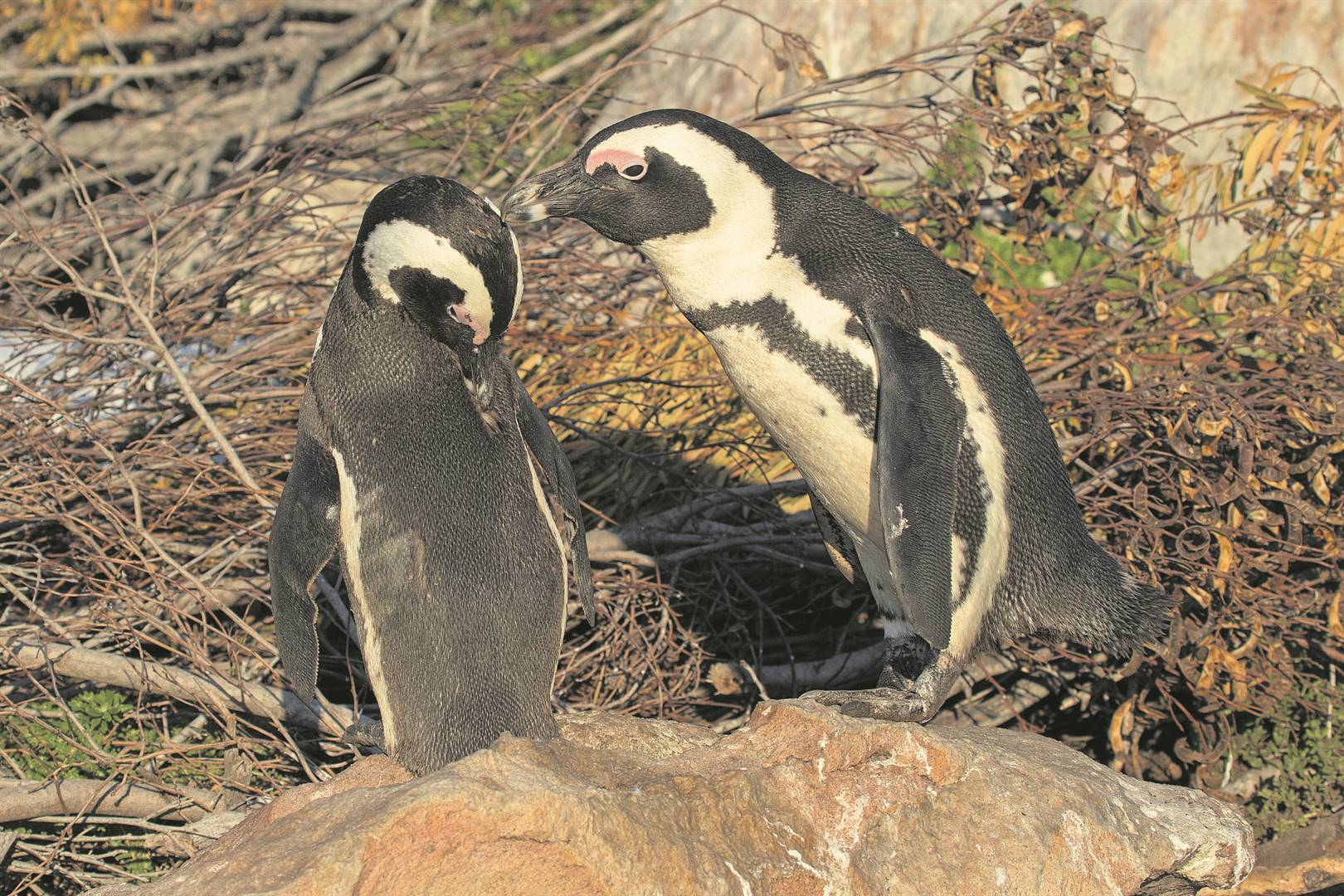
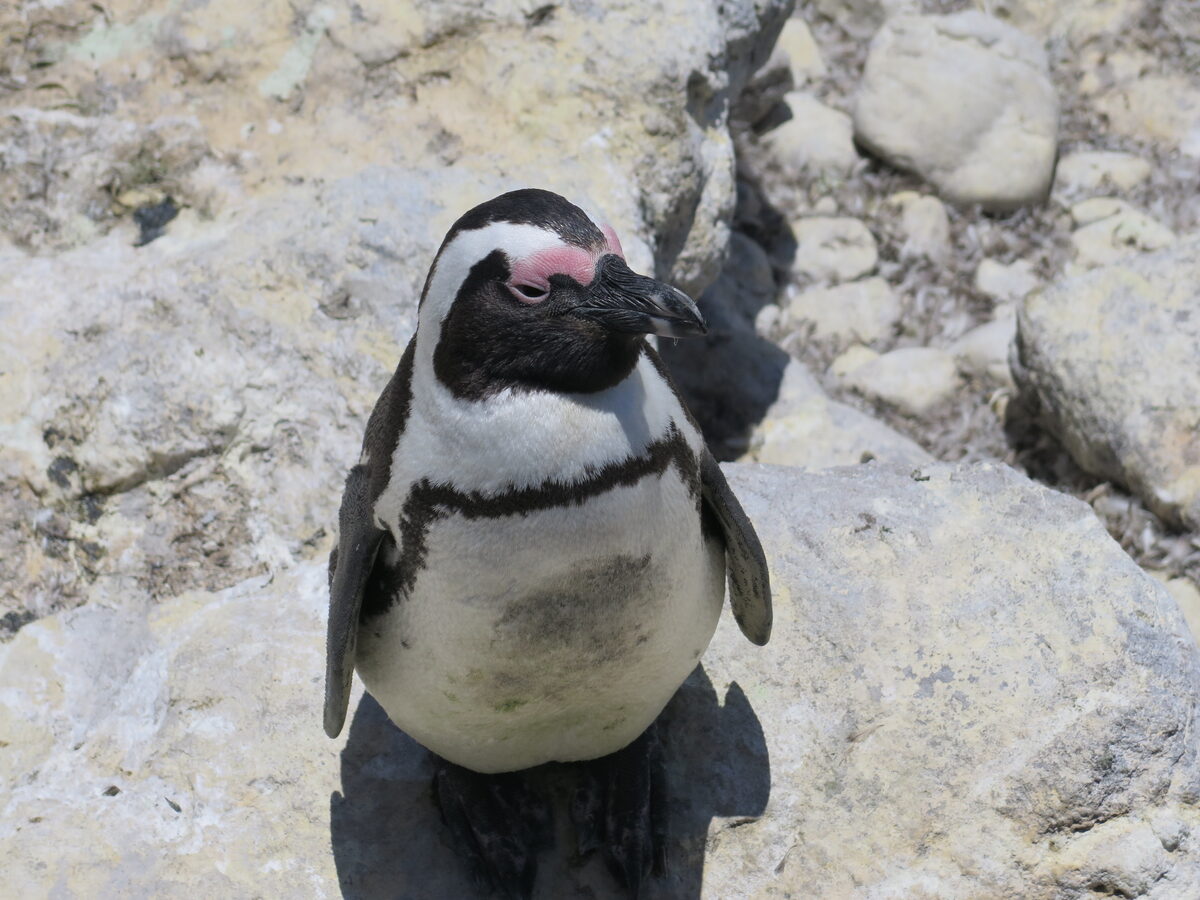
And while penguin species across the world face ongoing challenges, the country’s own African penguins recorded a 13% increase in breeding pairs which now stands at 790 from last year’s 698. This is a 92 breeding pairs increase.
However, Dr Alistair McInnes, Seabird Conservation Programme Manager for bird conservation group BirdLife South Africa, said that “overall, the African Penguin population is still declining and it’s very difficult to estimate any overall trends”.