Early signs of hearing loss South Africans should not ignore
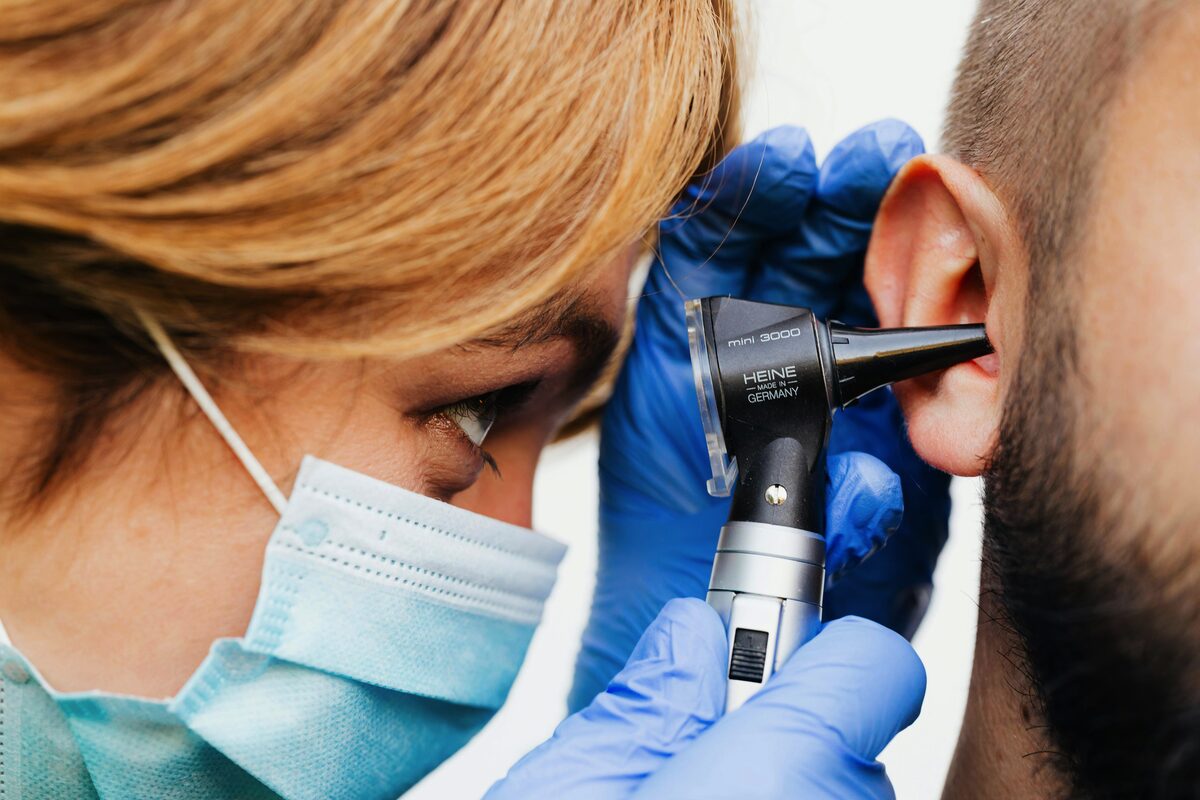
Hearing loss affects South Africans of all ages , and the early signs are often so subtle that many people miss them entirely, an audiologist warns.
Know the signs
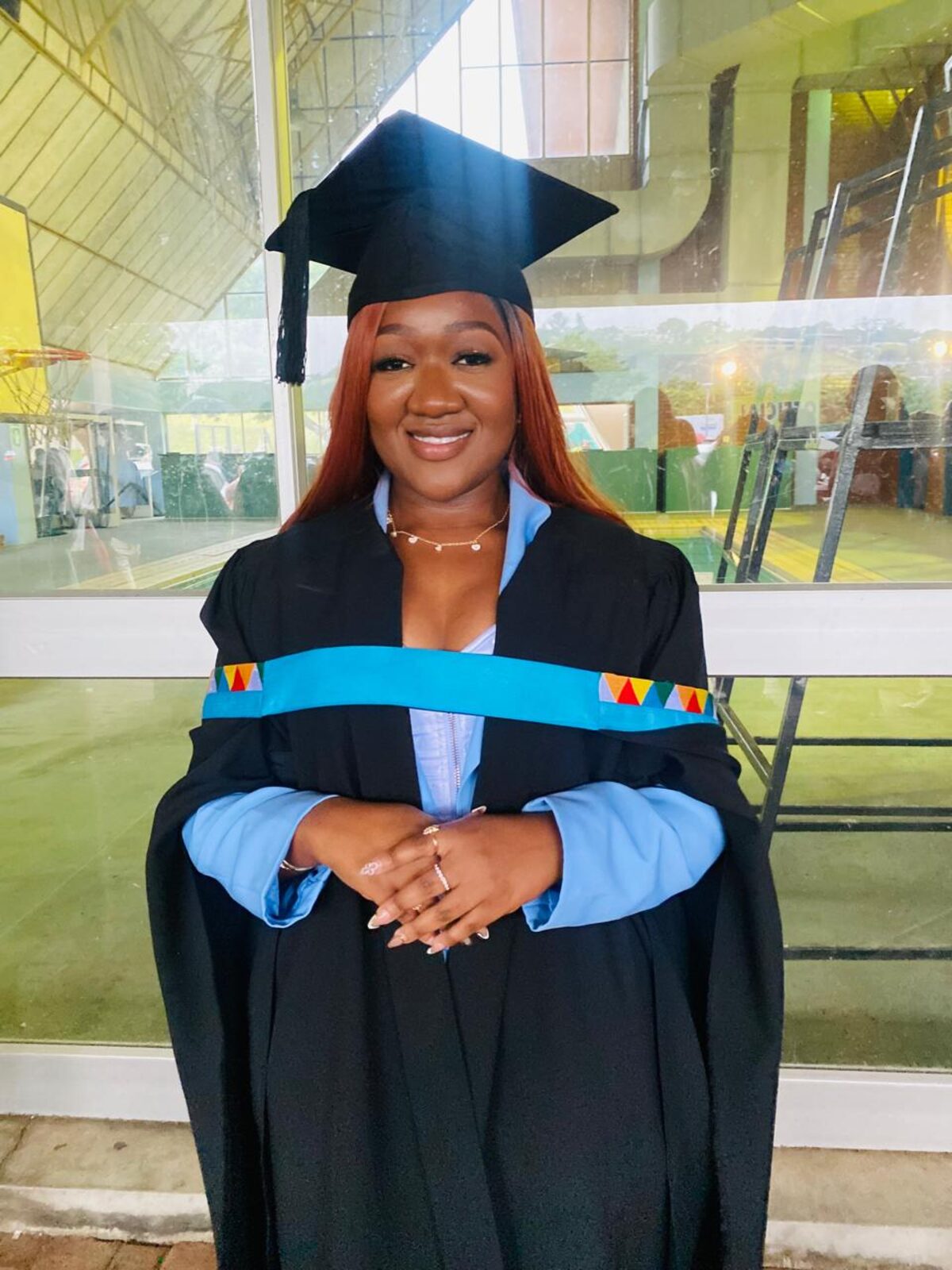
Mikela van Kerkhof, an audiologist at Netcare Mulbarton Hospital, says the most common early signs include struggling to follow conversations in noisy environments, difficulty hearing over the phone and finding certain sound frequencies harder to make out.
“Another common symptom is a ringing or buzzing in the ears. Often, friends and family will pick up that their loved one frequently mishears or asks them to repeat themselves,” she says.
Van Kerkhof warns that sudden hearing loss should always be treated as a medical emergency. She says it requires immediate assessment.
More than just your ears
The consequences of untreated hearing loss go beyond the ears themselves, Van Kerkhof says.
“Cognitive function suffers as the brain deteriorates from a lack of auditory input. Social wellbeing is also affected as people withdraw from situations because of their communication difficulties, leading to loneliness, anxiety and depression,” she says.
She says hearing loss presents differently across age groups, with the speed of progression and the frequencies affected being the key distinctions.
“The signs often progress slowly, and it may not be obvious at first that a person is losing their ability to hear clearly. Annual hearing tests are therefore recommended for people of all ages to monitor hearing thresholds and identify hearing loss as soon as possible,” she says.
What counts as too loud?
Van Kerkhof says anything at or above 85 decibels (dB) — comparable to heavy traffic or a loud vacuum cleaner is considered too loud if exposure is prolonged or repeated. This level of noise can cause both temporary and permanent hearing loss.
“Sounds at or below 70 dB, equivalent to a conventional washing machine or dishwasher, are considered safe even with prolonged exposure. The key principle is that the louder the sound, the shorter the safe exposure time,” she says.
Where noise exposure cannot be avoided, she recommends custom-made hearing protection devices.
Protecting your hearing — practical tips
Van Kerkhof recommends the following for people using earbuds or headphones:
- Listen at no more than 60% of the maximum volume for no longer than 60 minutes at a time;
- Use noise-cancelling headphones to avoid turning up the volume in noisy environments;
- Take regular breaks to give your ears time to rest;
- Where possible, use over-ear headphones rather than earbuds, as they generally deliver sound more safely.
Help is available
Van Kerkhof points out that many people are reluctant to acknowledge hearing difficulties. She says significant advances in hearing aids and assistive technology including artificial intelligence (AI), enhanced wireless connectivity and health monitoring features have greatly improved the options available.
She says taking care of your hearing now can make an “enormous difference” to your future quality of life.