


During the month of October, the spotlight was on hearing health with National Audiology Month aimed at educating the public on this often-overlooked health matter.
Globally, over 1,5 billion people experience some level of hearing loss, and at least 430 million need hearing aids or other forms of support. Knowing your hearing status is essential, especially given that undiagnosed hearing loss can significantly impact mental well-being and cognitive health.
Conversations can become exhausting, particularly in noisy settings, leading many people to withdraw from social settings. This often strains relationships and may contribute to feelings of isolation.
Over time, untreated hearing loss has also been linked to difficulties with memory and cognitive function.
Early signs
Locally, it is estimated that 12 million South Africans, or more than 20% of the total population, experience some degree of hearing loss.
Hearing loss can affect anyone and often progresses so gradually, it can be difficult to notice until you experience symptoms. Early signs of hearing loss often develop gradually and can be overlooked or mistaken for other issues.
Common indicators include muffled conversations, difficulty following speech in noisy environments, needing to increase the television volume beyond what others find comfortable, frequently asking people to repeat themselves, or experiencing a persistent ringing in the ears.
While these symptoms may appear minor, they can signal the onset of hearing loss and warrant a professional hearing assessment.
Regular screenings
Bronwyn van Wyk, head of Audiology at Spec-Savers, says that because hearing can change at any age, there isn’t a one-size-fits-all starting point to when to go for hearing tests. “For most healthy adults, we usually recommend a baseline hearing test around the age of 40, even if you don’t notice any problems,” she explains.
“From there, every two to three years is a good rule of thumb, unless you’re already experiencing symptoms like turning up the TV, struggling in noisy places, or constantly asking people to repeat themselves. If that’s the case, don’t wait – it’s worth getting checked sooner.
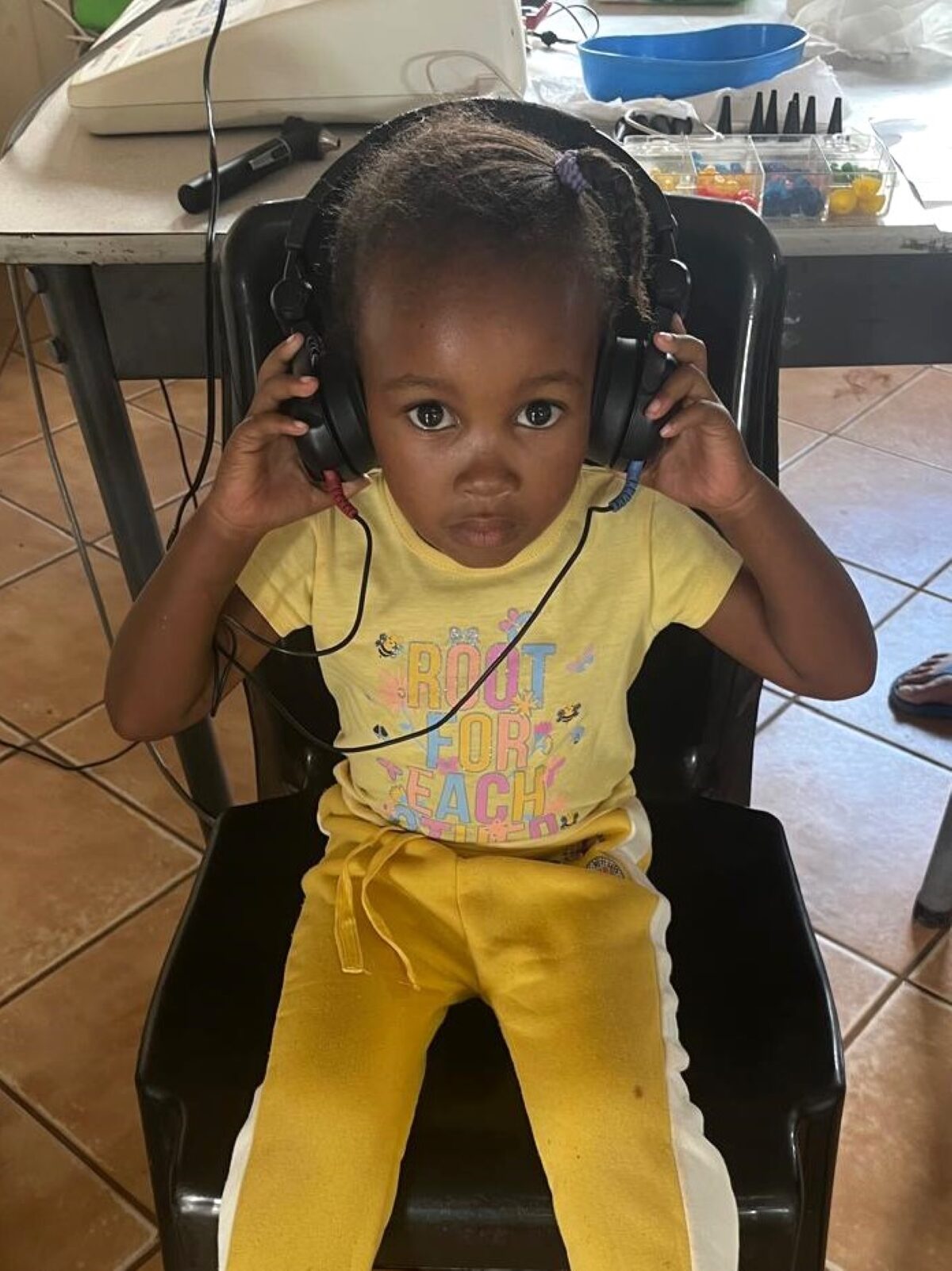
“Just like with eye tests, regular screenings help catch changes early so you can protect your hearing long-term. For children, hearing should be tested at birth, during early childhood developmental milestones, and again during school-age years.”
Age doesn’t matter
Hearing difficulties are becoming more common among younger people, largely due to lifestyle factors such as prolonged headphone use at high volumes, frequent exposure to loud music at concerts or clubs, and noisy environments, Van Wyk adds. Unlike age-related hearing loss, this type of damage can occur much earlier and often goes unnoticed.
“It’s important for people to know their hearing status as hearing loss often happens gradually and can go unnoticed for years,” she points out. “In today’s tech-driven world, hearing loss is no longer just a concern for older adults. We’re seeing more cases of hearing decline in younger people than ever before. Knowing your hearing status early empowers you to take control, protect your ears, and avoid long-term damage. It’s no longer about age – it’s about awareness.”
The purpose of a test for hearing loss is to determine not only if you have a hearing loss, but how mild or serve it is.
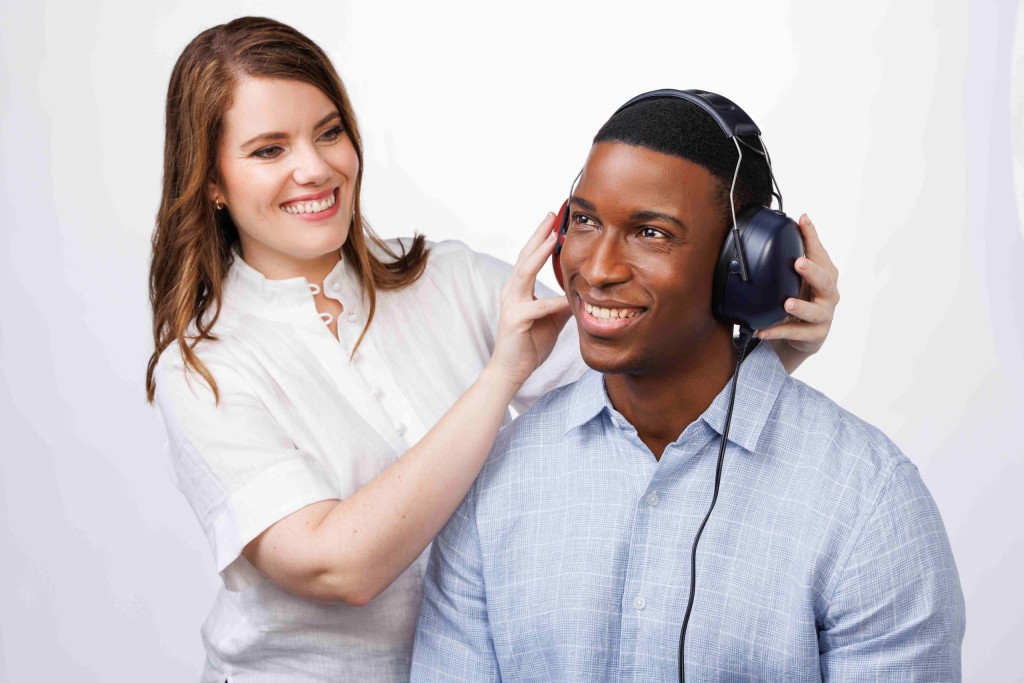
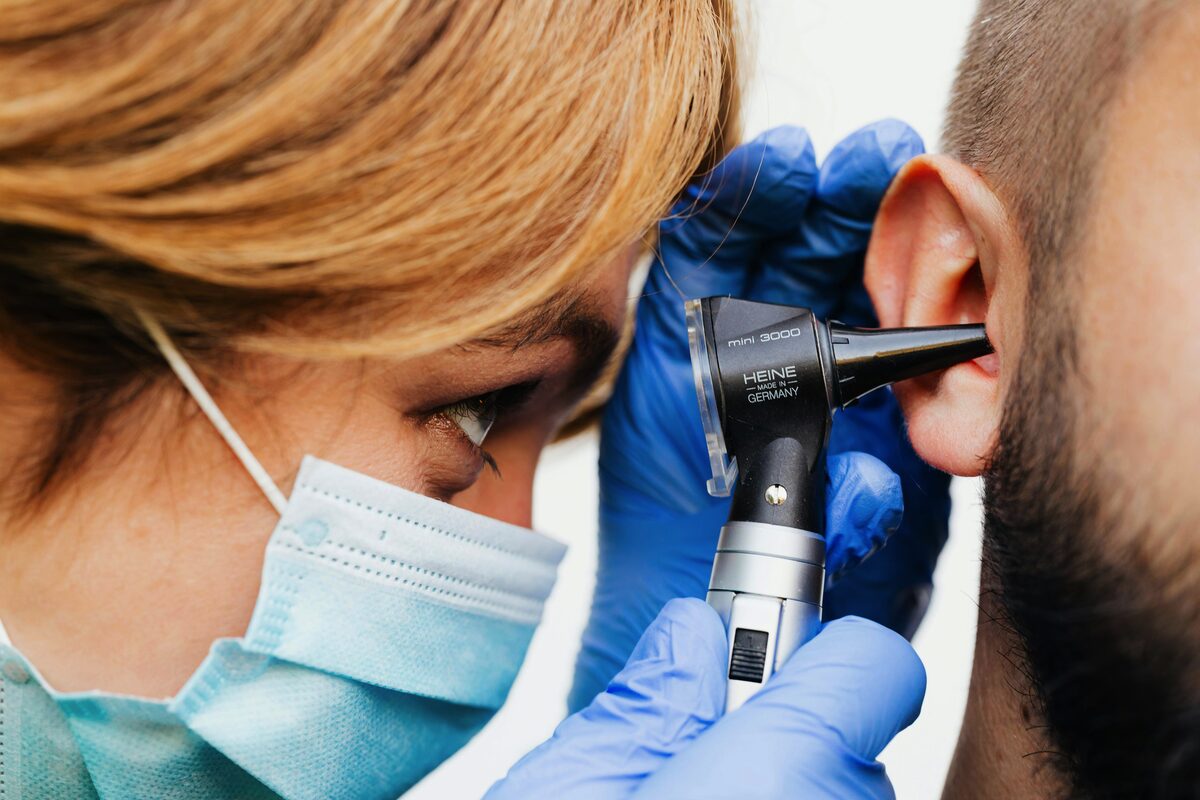
Conducted by an audiologist, a hearing assessment is non-invasive and painless and can take as little as 40 minutes. This involves a physical check for any visual problems in the ear drum, using an otoscope, followed by hearing test to evaluate how well a person hears sounds at different pitches and volumes.
Should it be determined that a person needs a hearing aid, the audiologist will explain the available options.
Often, hearing aids can be tested on the same day as a hearing test and programmed to a person’s specific needs, with a follow-up appointment scheduled to check that a suitable improvement in hearing has been achieved.
Do not wait
The statistics speak for themselves: One in 10 people has a hearing problem. For people over the age of 45, the chances are one in four, and for those over 65, they are one in three.
Despite being a major contributor to the global burden of disease, most people are unaware of hearing loss even if they suffer from it themselves.
“Don’t wait until hearing loss becomes a barrier in your life. Just like we regularly check our eyes or teeth, our hearing deserves the same attention. Early testing can pick up subtle changes long before they affect your day-to-day life and the earlier you act, the more options you have to protect and preserve your hearing,” Van Wyk says.
“Prevention really is better than cure and making small choices like lowering the volume on your headphones or wearing ear protection in noisy environments can make a lifelong difference. I encourage South Africans to take that first step: book a hearing test and protect the sounds that make life meaningful.”




You must be logged in to post a comment.