Health agency initiates contact tracing for passengers on flight taken by infected woman who died in Johannesburg.
The World Health Organization has confirmed seven hantavirus cases among people aboard a cruise ship off Cape Verde, including three deaths, as health authorities investigate possible human-to-human transmission of the rare but deadly virus.
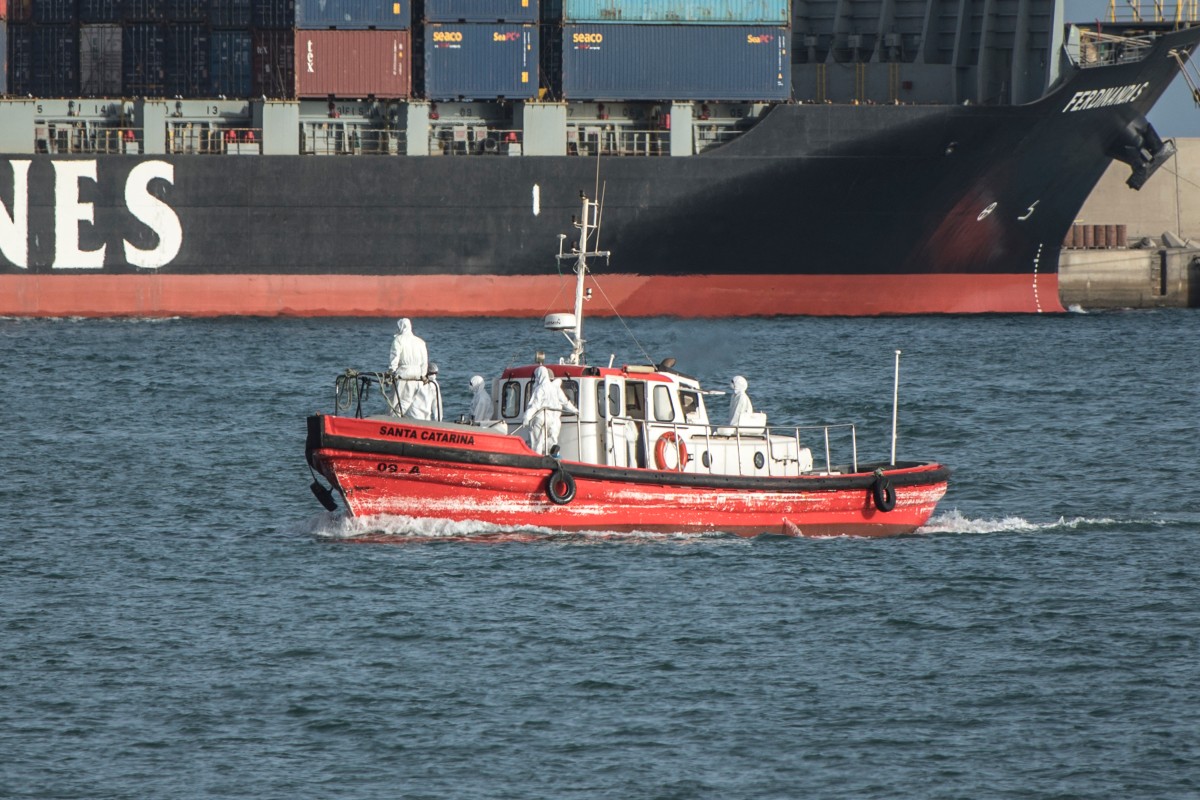
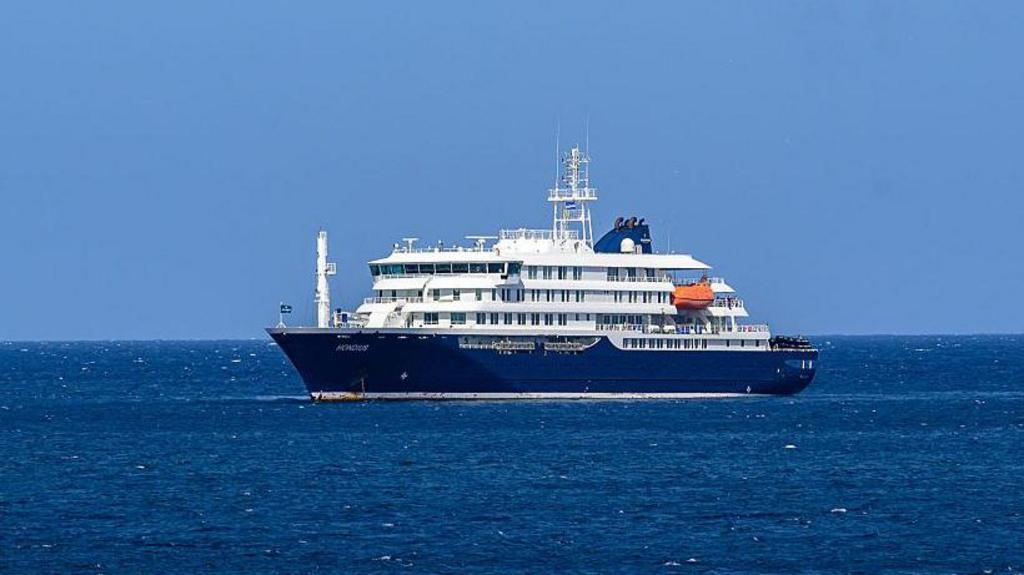
Two cases have been laboratory confirmed and five others are suspected aboard the MV Hondius, which remains anchored off the west African nation after being refused permission to dock, WHO said on Tuesday.
The cases include three deaths, one critically ill patient and three individuals reporting mild symptoms, the UN health agency said in a statement. The ship is currently carrying 147 people from 23 nationalities.
WHO said it was trying to contact passengers on an April 25 flight between Saint Helena and Johannesburg taken by one of the infected cruise ship passengers, who died the following day. Contact tracing for passengers on the flight has been initiated.
“Illness onset occurred between 6 and 28 April 2026,” WHO said, describing symptoms “characterised by fever, gastrointestinal symptoms, rapid progression to pneumonia, acute respiratory distress syndrome and shock”.
The health agency assessed the risk to the global population from the outbreak as “low” but said it would continue monitoring the situation.
The cruise ship, operated by Dutch-based tour company Oceanwide Expeditions, was travelling from Ushuaia in Argentina to Cape Verde when the outbreak occurred. Passengers include people from Britain, Spain and the United States, while crew members are from the Philippines and other countries.
Timeline of deaths
The first deaths were a Dutch couple. The husband (70) died on board on April 11, while his wife (69) died after disembarking at Saint Helena to accompany his body.
WHO said the wife, who had been suffering from gastrointestinal symptoms, “subsequently deteriorated during a flight to Johannesburg, South Africa, on 25 April” and “later died upon arrival at the emergency department on 26 April”.
“On 4 May, the case was subsequently confirmed by PCR with hantavirus infection,” WHO added.
A German passenger died on Saturday, bringing the total death toll to three. A British passenger remains in intensive care in Johannesburg, while two crew members – one British and the other Dutch – required urgent medical care, according to Oceanwide Expeditions.
Three of the identified cases are no longer on the ship, while four remain on board.
Human transmission concerns
WHO highlighted that while human hantavirus infection is primarily acquired through contact with the urine, faeces or saliva of infected rodents, “human-to-human transmission has also been reported in previous outbreaks”.
This has prompted health authorities to trace contacts of the infected woman who travelled on the April 25 flight to Johannesburg.
What is hantavirus?
Hantaviruses are a family of viruses that cause serious disease worldwide. The viruses typically spread through contact with rodents such as rats and mice, particularly when people are exposed to their urine, droppings and saliva.
The viruses cause two main syndromes: hantavirus pulmonary syndrome (HPS), which affects the lungs and is found in the Western Hemisphere, and haemorrhagic fever with renal syndrome (HFRS), which affects the kidneys and is found mostly in Europe and Asia.
HPS symptoms usually appear one to eight weeks after contact with infected rodents, beginning with fatigue, fever and muscle aches. Late symptoms include coughing and shortness of breath as the lungs fill with fluid. The disease can be fatal in 38% of cases where respiratory symptoms develop.
HFRS symptoms develop within one to two weeks of exposure and include intense headaches, back and abdominal pain, fever and nausea. Later symptoms can include low blood pressure, internal bleeding and acute kidney failure.
Prevention and treatment
Health authorities recommend eliminating contact with rodents by sealing holes in buildings, using traps and removing food sources that attract rodents.
No specific treatment exists for hantavirus infection. Patients receive supportive care including rest, hydration and symptom treatment. Severe cases may require breathing support or dialysis for kidney function.
Cape Verde authorities continue to deny the MV Hondius permission to dock at Praia port while the investigation continues.