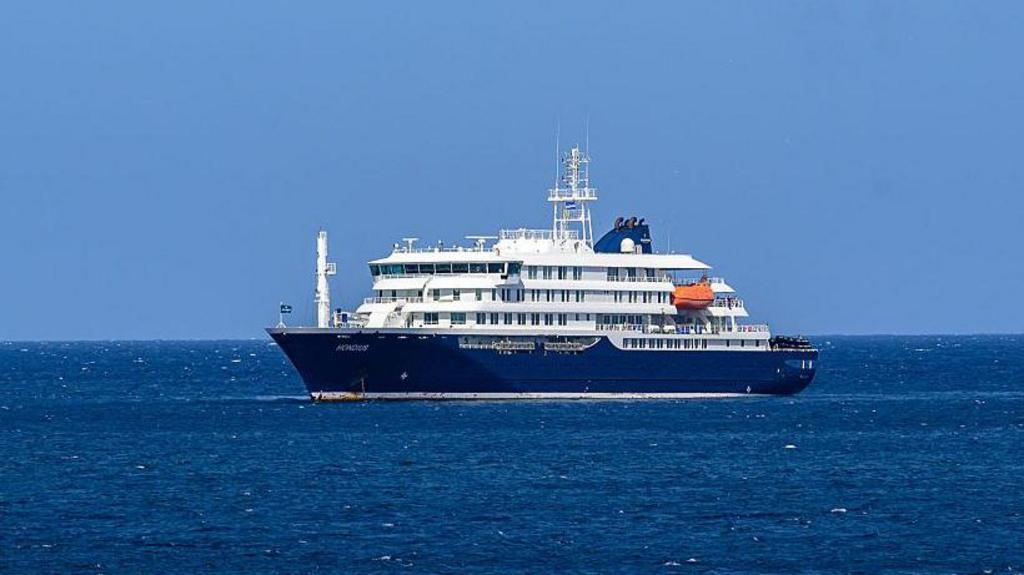
Cape Verde authorities have refused to allow passengers aboard a cruise ship with a suspected hantavirus outbreak to disembark, officials confirmed on Sunday.
“In coordination with other relevant authorities, the ship was not granted authorisation to dock at the port of Praia,” said Maria da Luz Lima, president of the National Institute of Public Health (INSP), in an interview with RTC public broadcaster.
The MV Hondius, operated by Dutch-based tour company Oceanwide Expeditions, is carrying 149 people from 23 nationalities, according to the operator. The vessel was travelling from Ushuaia in Argentina to Cape Verde when the outbreak occurred.
Two people have died and a third remains in intensive care in Johannesburg following the outbreak. A patient being treated in South Africa tested positive for a hantavirus, according to health ministry spokesperson Foster Mohale.
The first victim was a passenger (70) who died on board. His body is currently on the island of Saint Helena, a British territory in the South Atlantic. His wife (69) was evacuated to South Africa, where she died in a Johannesburg hospital. A third case, a British man (69), was also evacuated to Johannesburg and remains in intensive care.
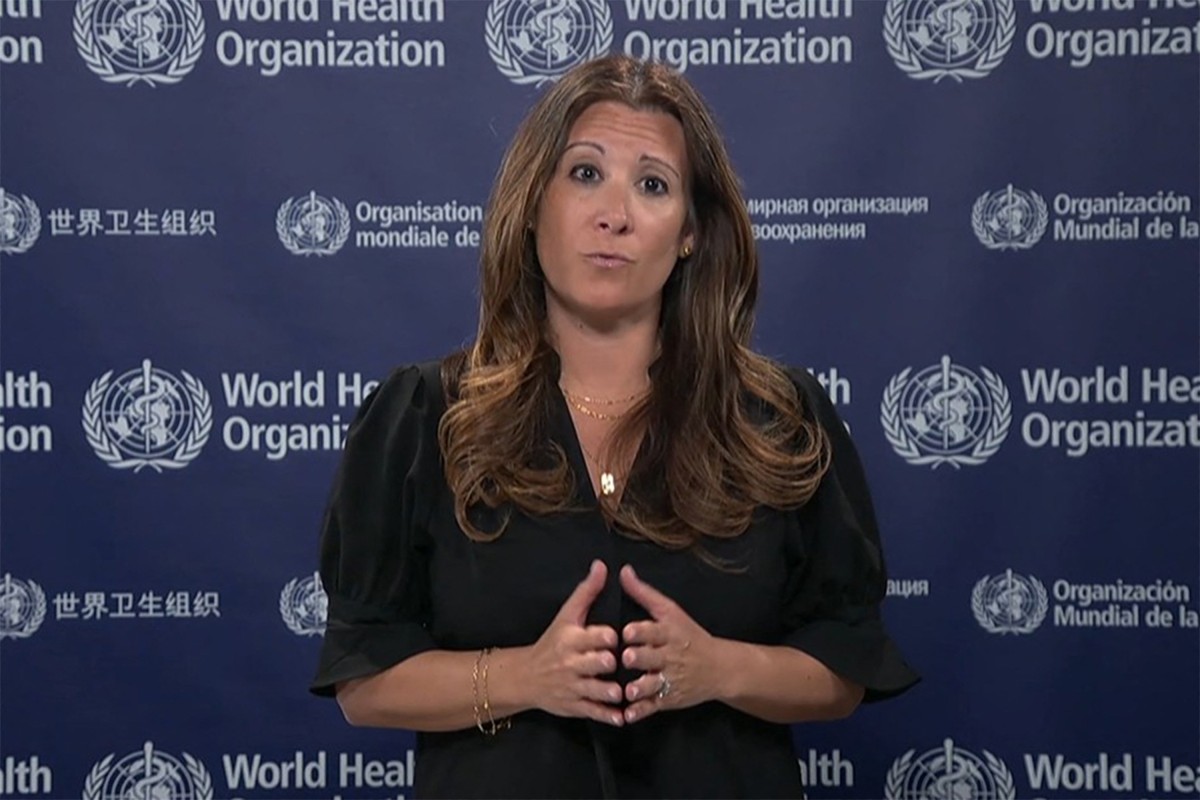
The World Health Organization has said investigations and a coordinated international public health response are underway.
What is hantavirus?
Hantaviruses are a family of viruses that can infect and cause serious disease in people worldwide. People contract hantavirus from contact with rodents such as rats and mice, particularly when exposed to their urine, droppings and saliva. The virus can also spread through a bite or scratch by a rodent, though this is rare.
The viruses cause two distinct syndromes. Hantaviruses found in the Western Hemisphere, including the United States, can cause hantavirus pulmonary syndrome (HPS), which affects the lungs. The most common hantavirus causing HPS in the US is spread by the deer mouse.
Haemorrhagic fever with renal syndrome (HFRS) is caused by hantaviruses found mostly in Europe and Asia, though Seoul virus, a type causing HFRS, is found worldwide including in the United States.
Symptoms and severity
HPS is a severe and potentially deadly disease affecting the lungs. Symptoms usually appear one to eight weeks after contact with an infected rodent.
Early symptoms include fatigue, fever and muscle aches, especially in large muscle groups such as the thighs, hips, back and sometimes shoulders. About half of patients also experience headaches, dizziness, chills and abdominal problems including nausea, vomiting, diarrhoea and abdominal pain.
Four to 10 days after the initial illness phase, late symptoms appear, including coughing and shortness of breath. Patients may experience tightness in the chest as the lungs fill with fluid. Thirty-eight percent of people who develop respiratory symptoms may die from the disease.
HFRS is a severe and sometimes deadly disease affecting the kidneys. Symptoms usually develop within one to two weeks after exposure, though in rare cases may take up to eight weeks. Initial symptoms include intense headaches, back and abdominal pain, fever, chills, nausea and blurred vision.
Later symptoms can include low blood pressure, lack of blood flow, internal bleeding and acute kidney failure. The severity varies depending on the virus, with Hantaan and Dobrava virus infections causing severe symptoms and five to 15% fatality rates. Seoul, Saaremaa and Puumala virus infections are usually more moderate with less than 1% dying from the disease.
Prevention and treatment
Health authorities recommend eliminating or minimising contact with rodents to reduce exposure risk. This includes sealing holes and gaps in homes or workplaces, placing traps to decrease rodent infestation and cleaning up food sources that might attract rodents.
There is no specific treatment for hantavirus infection. Patients receive supportive care including rest, hydration and treatment of symptoms. HPS patients may need breathing support such as intubation, whilst HFRS patients may require dialysis to remove toxins from the blood when kidney function is disrupted.
Early diagnosis is difficult, as symptoms such as fever, headache, muscle aches, nausea and fatigue can be confused with influenza. Health authorities advise anyone suspecting hantavirus disease to see a physician immediately and mention potential rodent exposure.
ALSO READ: Two dead as respiratory illness outbreak hits Atlantic cruise ship