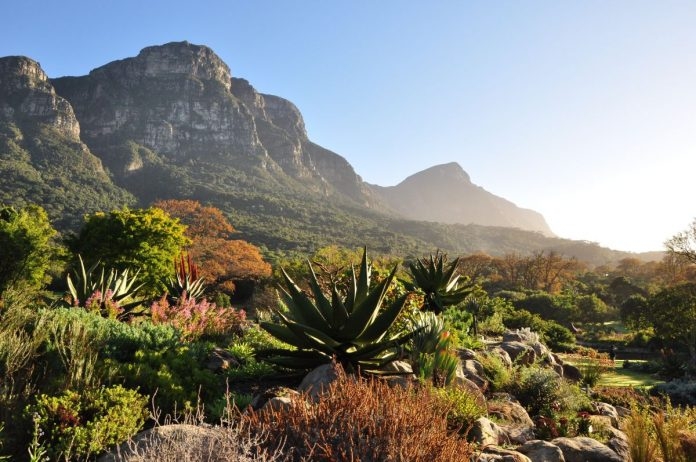
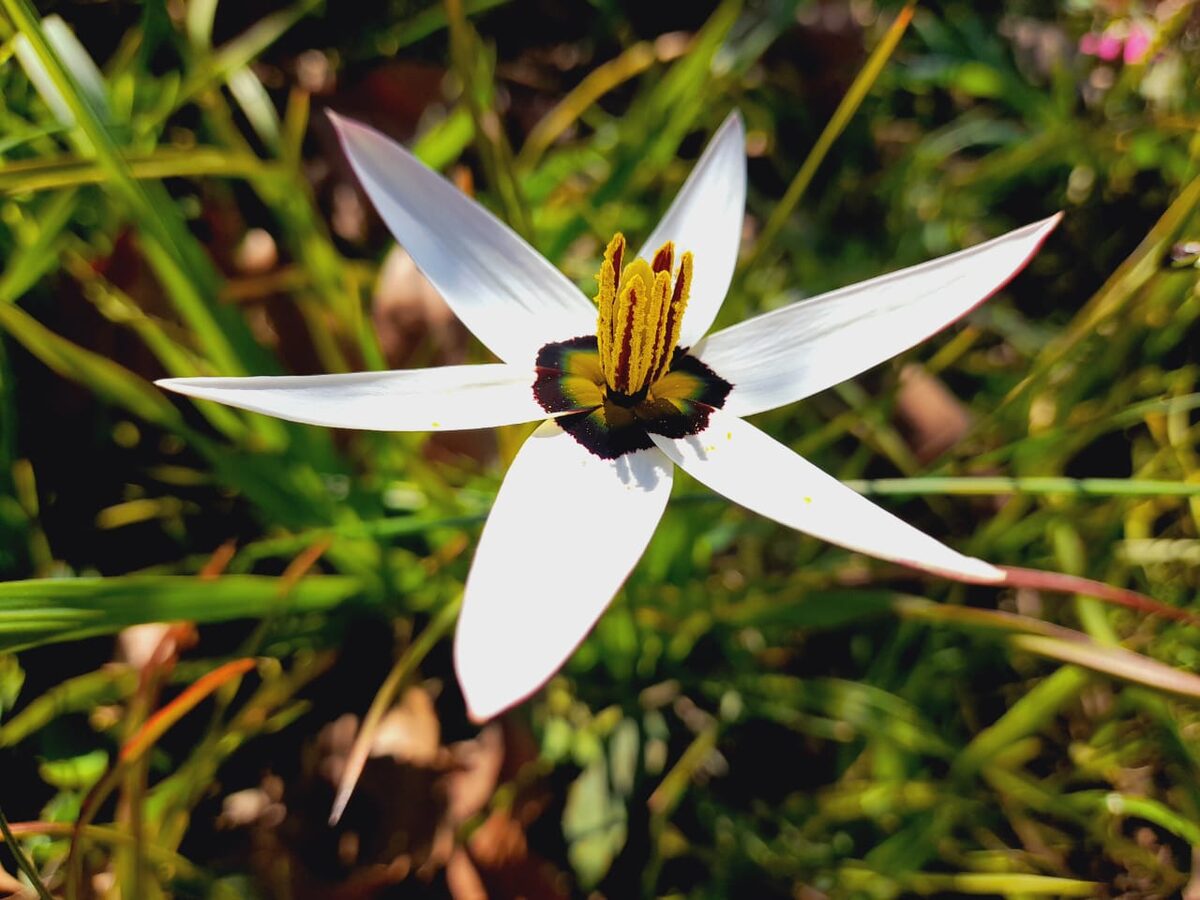
The Great Souther Bioblitz returns from 27 to 30 November, inviting people across Southern Africa to document the region’s biodiversity in one of the Southern Hemisphere’s largest community science events.
Last year’s event recorded 127, 983 observations of 11, 582 species across 14 African countries, with 2, 239 observers and 1,850 identifiers taking part.
South Africa contributed 52,387 observations covering 6,138 species. The Western Cape recorded the highest provincial totals, with 26,803 observations of 3,133 species, followed by KwaZulu-Natal with 9,092 observations of 2,051 species.
The platform’s community helps identify and verify the species. Observations that meet its verification criteria contribute to databases used by the South African National Biodiversity Institute (SANBI) and its partners for Red List assessments, invasive species monitoring and conservation planning.
More than 600 South African plant and animal taxa of conservation concern were recorded during the 2025 event, alongside more than 400 observations of invasive species.
The most photographed species across the continent was black wattle (Acacia mearnsii), one of South Africa’s most damaging invasive trees.
“Every one of those records was made by someone who decided to stop and look,” said Suvarna Parbhoo Mohan, SANBI’s Citizen Science Programme Manager.
She said the event demonstrated the value of public participation in documenting biodiversity, with identifications continuing long after the four-day count ended.
Participants can also help identify and verify observations submitted by others, from anywhere and at any time.
Towns and districts that have not yet registered can still join before the event begins.