

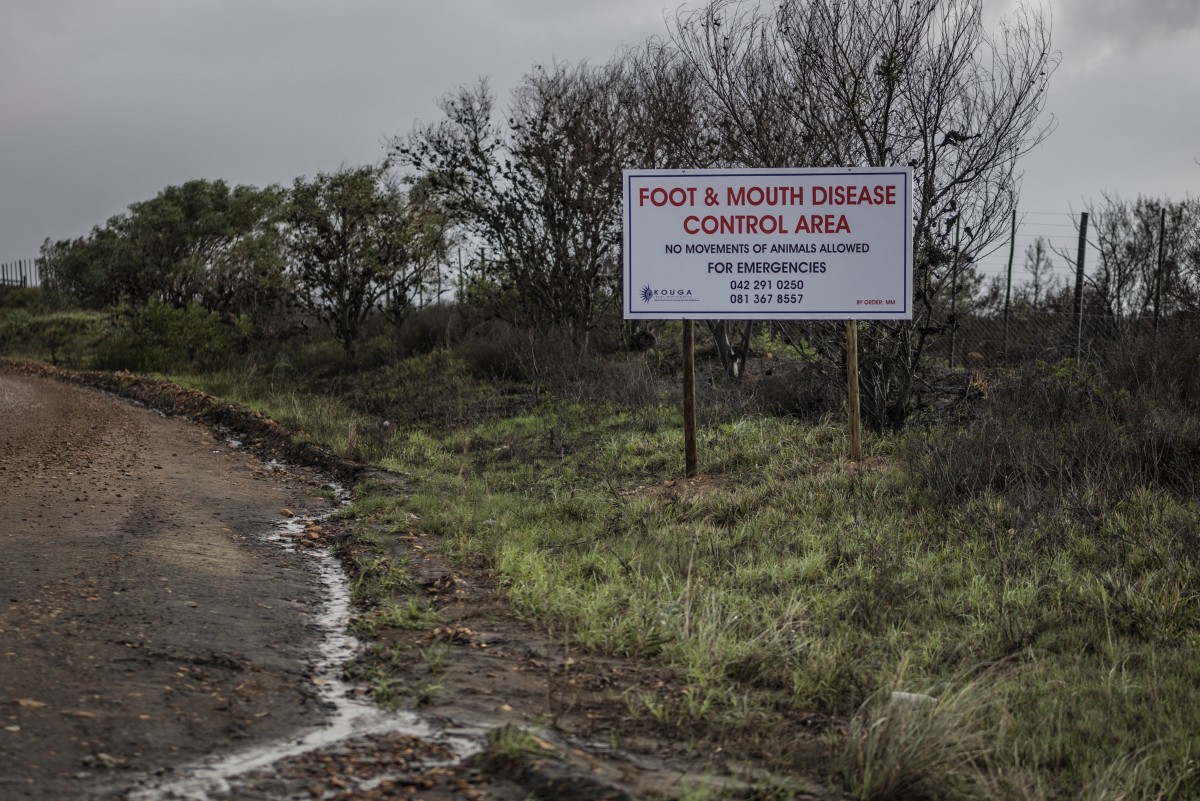
South Africa has officially published a voluntary vaccination scheme for foot-and-mouth disease (FMD), providing farmers with a fast-track mechanism to protect livestock while facing mounting criticism over the government’s handling of the ongoing crisis.
The Routine Vaccination Scheme for Foot-and-Mouth Disease (RVS-FMD) was published in the Government Gazette on Monday, marking what Agriculture Minister John Steenhuisen described as “a critical step in strengthening South Africa’s response to foot and mouth disease”.
Speaking to media in Parliament on Tuesday, Steenhuisen confirmed the scheme was gazetted under the Animal Diseases Act following consideration of over 300 public submissions.
The voluntary scheme operates as a public-private partnership, allowing owners of cloven-hoofed animals to protect their livestock through vaccination carried out under state veterinary oversight while the national rollout continues.
“While we are busy rolling out the national, fully funded vaccination programme, we know our commercial partners need the flexibility to protect their livestock now,” Steenhuisen explained.
Court pressure forces action
The announcement comes amid mounting legal pressure, with the Pretoria High Court having ordered Steenhuisen to publish the vaccination scheme by 5 May following an urgent application by agricultural organisations including Sakeliga, the Southern African Agri Initiative (SAAI), and Free State Agriculture.
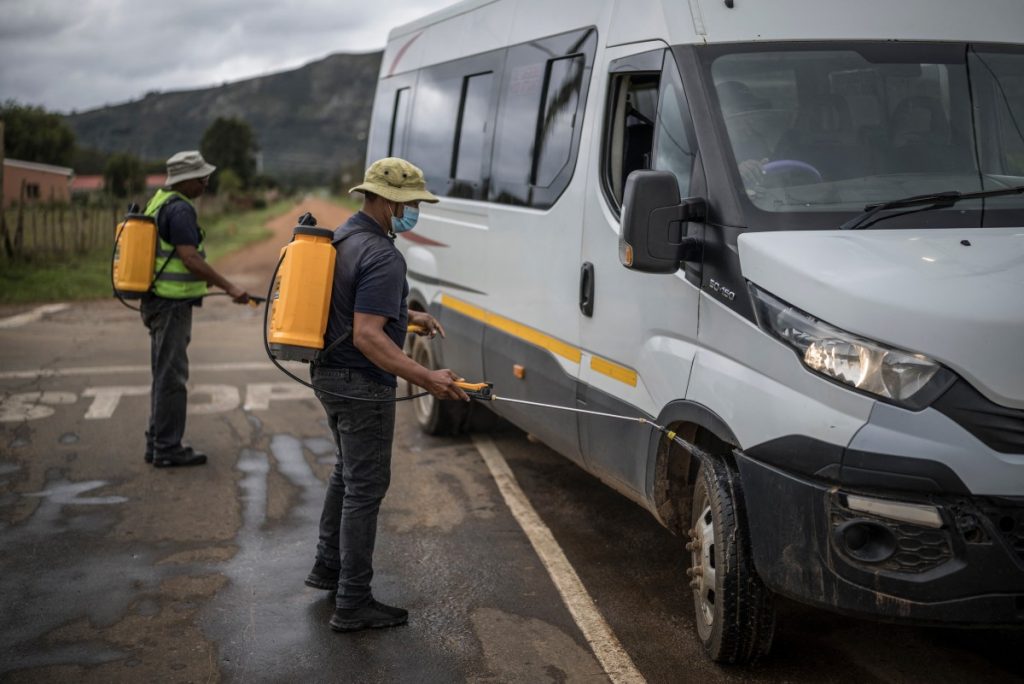
Industry coalition FMD Response SA has been highly critical of what it describes as the government’s “lethargic” response to the crisis, with spokesperson Andrew Morphew warning that the current approach is heading toward a “national disaster”.
The criticism centres on the pace of vaccination rollout, with stakeholders arguing that South Africa needs rapid mass vaccination to combat outbreaks that have spread across eight provinces, affecting over 1,317 cases by April 2026.
ALSO READ: Western Cape boosts FMD fight with 50 000 new vaccine doses
Brazil partnership draws attention amid local expertise
In a parallel development, Steenhuizen announced that a team of South African animal health experts will travel to Brazil later this month for “intensive knowledge exchange” on FMD eradication strategies.
The visit follows the signing of a Memorandum of Intent and Action Plan with Brazil, aimed at drawing on Brazil’s success in achieving FMD-free status without vaccination, as recognised by the World Organisation for Animal Health (WOAH) in May 2025.
“Their 64-year journey offers us a roadmap for our own ten-year strategy. We do not have to reinvent the wheel,” Steenhuisen said of the Brazil collaboration.
However, the decision to seek expertise abroad comes as South Africa houses world-class FMD research capabilities at the Agricultural Research Council’s Onderstepoort Veterinary Research (ARC-OVR) facility.
ALSO READ: Western Cape protects R13.5 billion livestock industry amid FMD crisis
Local expertise at Onderstepoort
ARC-OVR serves as the WOAH Reference Laboratory for FMD and operates a BSL-3 Transboundary Animal Diseases facility for diagnostics, research and vaccine production. The facility houses numerous internationally recognised specialists including Dr Pamela Opperman, Dr Melanie Chitray, Dr Baratang Lubisi and Dr Francois Maree.
In February 2026, ARC-OVR achieved a significant breakthrough by resuming local FMD vaccine production after a 20-year hiatus, delivering the first 12,900 doses using modern bioreactor technology. Production capacity is scaling to 20,000 doses per week from March 2026 and 200,000 per week by 2027.
The South African Veterinary Association (SAVA) has emphasised that veterinarians are “critical to South Africa’s food and health security” during the ongoing FMD crisis, highlighting the central role of local expertise in the national response.
Scheme requirements and implementation
Under the new voluntary scheme, participating farmers must meet strict traceability requirements, including permanent animal markings and unique ear tags. Owners must enlist authorised veterinarians to oversee vaccinations and use digital systems to record vaccination details, including vaccine batch numbers and storage temperatures.
The scheme requires participants to allow audits and inspections to ensure compliance with safety protocols. While livestock owners will pay for vaccines and veterinary services, government may consider subsidies in future to increase participation.
Vaccine supply from Argentina
South Africa has also secured vaccine supply agreements with Argentina, with Steenhuisen announcing that 2.5 million doses have already been distributed from manufacturer Biogénesis Bagó. Another five million doses are ready for export, pending finalisation of import procedures.
The Agricultural Research Council has renewed its partnership with Argentina’s National Agricultural Technology Institute to ensure vaccine innovation remains world-class.
Over 2 million animals had been vaccinated by March 2026, with no breakthroughs reported in vaccinated herds, according to government statistics.
Steenhuizen emphasised that the country has no shortage of vaccines, stating: “The war against FMD is far from over, but for the first time in decades, there is a solid, scientific plan to steer us in the right direction.”
The minister reiterated that the strategy represents a shift from reactive measures toward what he termed a “South-South Strategic Alliance”, integrating international cooperation with local production capabilities.
ALSO READ: One million FMD vaccines arrive in SA amid national outbreak


You must be logged in to post a comment.