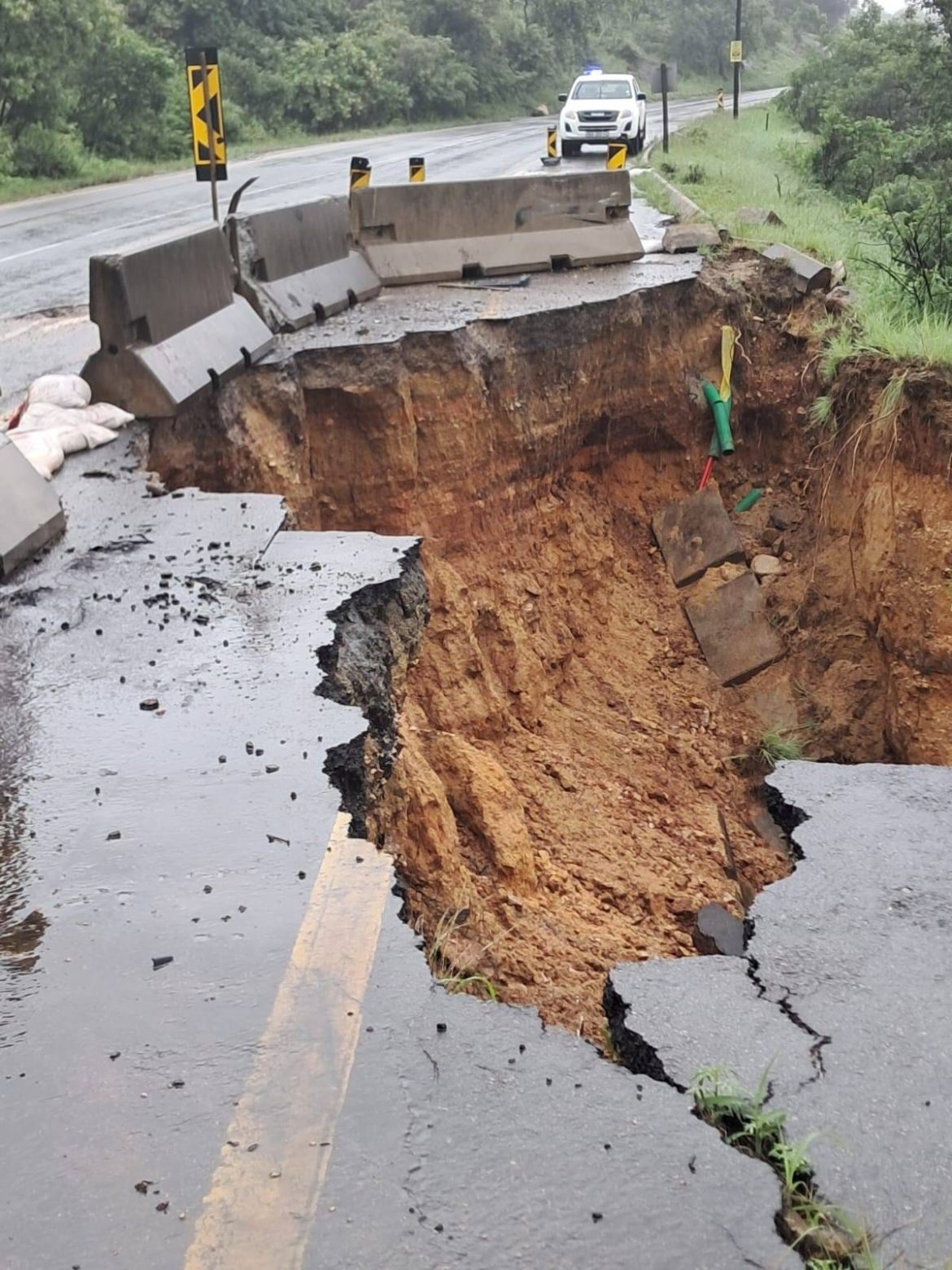
The South African National Roads Agency (SANRAL) will receive nearly R31 billion this year to maintain, rehabilitate and expand the country’s road network.
Transport Minister Barbara Creecy announced the allocation on Tuesday when she tabled the Department of Transport’s R102 billion Budget Vote in Parliament.
The funds will be directed towards capital expenditure on the non-toll network, operations of the Gauteng Freeway Improvement project, ongoing construction on major bridges along the N2 Wild Coast route, new road sections on national highways and development of the Moloto Road corridor.
Creecy said the infrastructure projects are expected to improve road safety, reduce travel distances and create more than 35 000 job opportunities while supporting over 2 000 small enterprises.
“Investment in public infrastructure projects is a significant catalyst for job creation and economic development,” the minister said.
Provincial road transfers raise sustainability concerns
The minister flagged concerns about ongoing challenges at provincial and municipal levels, where funding and technical capacity for road maintenance remain insufficient.
Since 2013, provincial governments have transferred 13 000km of provincial roads to SANRAL for management and maintenance.
“This is not a sustainable long-term strategy and will ultimately impact SANRAL’s ability to maintain the National Road Network without introducing widespread tolling,” Creecy said.
To address the issue, government plans to convene a joint meeting between National Treasury and the Department of Transport through the Minister and MECs forum to explore mechanisms to frontload the Provincial Road Maintenance Grant, enabling provinces to upgrade priority roads sooner.
Passenger rail journeys exceed 100 million
The revitalisation of the passenger rail system continues to gain momentum, with yearly passenger journeys surpassing 100 million at the end of March this year.
“This sixfold increase over four years reflects deliberate and sustained investment in infrastructure, rolling stock, security and institutional reform. In Gauteng, KwaZulu-Natal and the Western Cape, we are increasing train frequencies, improving security, reducing vandalism and ensuring connectivity for communities previously excluded from reliable transport services,” Creecy said.
At the end of 2025, a Request for Information process for passenger rail was launched to gauge investment appetite in rapid regional rail, depot modernisation, rolling stock leasing, automated fare collection and optic fibre installation.
Road Accident Fund under review
The department is reviewing the proposed Road Accident Fund Bill to reduce contingent state liability through the introduction of a no-fault system and a standardised injury compensation framework.
The Road Accident Fund compensates and rehabilitates people injured in motor vehicle accidents within South Africa but continues to face mounting pressure due to a growing backlog of claims, legal challenges and severe financial constraints.
Government is exploring a hybrid funding model that would combine private and public contributions to reduce pressure on state finances.
“We wish to emphasise today that road safety is a national crisis. Last year, South Africa lost over 11 418 lives on our roads, one of the worst rates globally,” Creecy said.
The R102 billion Budget Vote aims to build a transformed, inclusive and competitive transport system that serves commuters, freight operators and export industries.
ALSO READ: Minister Creecy launches major private sector drive to transform passenger rail