
Rising global fuel prices are beginning to ripple through South Africa’s essential services — and for the National Sea Rescue Institute (NSRI), the impact could be far-reaching. As geopolitical tensions in the Middle East drive up petrol and diesel costs, the organisation warns that while emergency rescues will always continue, the systems that support those missions are coming under increasing pressure.
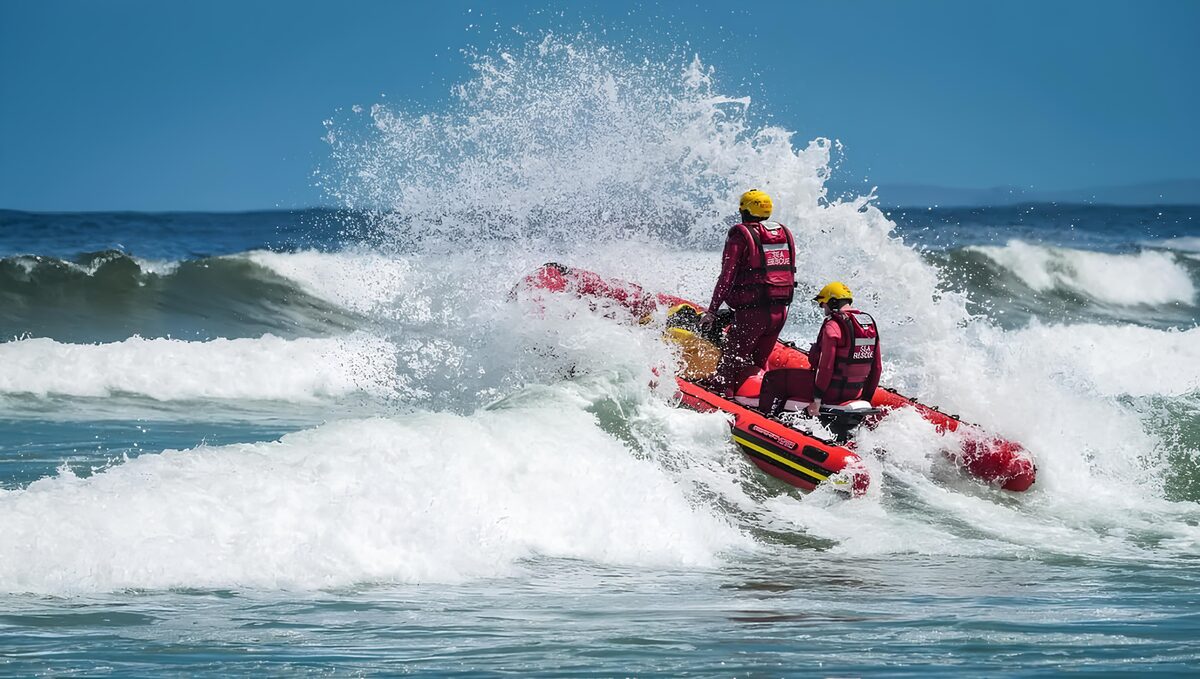
Fuel is at the heart of every NSRI operation — from rescue vessels and response vehicles to training exercises and community outreach. With projections pointing to a significant increase in fuel prices, the organisation faces mounting operational costs that directly affect its ability to function efficiently.
Annual boat running costs already exceed R5.5 million, and further increases are expected to stretch budgets even tighter. This financial strain doesn’t just affect emergency call-outs; it impacts the broader ecosystem that ensures crews are prepared and equipped to save lives.
READ ALSO: Quick action by NSRI saves drifting yacht from destruction
Rescue missions remain non-negotiable
Despite these challenges, the NSRI has made it clear: emergency response will never be compromised. CEO Mike Vonk emphasises that lifesaving missions remain the organisation’s top priority.
“We will never stop responding to emergencies,” he says. “But if fuel costs rise this sharply, the pressure moves into the systems that keep our crews ready and our prevention work active.”
To manage this, the NSRI is implementing stricter fuel controls, prioritising critical operations, and refining training programmes to ensure maximum efficiency without sacrificing quality.
Training and prevention under pressure
Beyond rescues, fuel plays a vital role in training volunteer crews who operate in some of the most challenging maritime conditions. Reduced training opportunities could impact readiness over time, even as demand for services remains constant.
Equally concerning is the strain on the NSRI’s water safety and survival swimming programmes, which are aimed at preventing drownings — particularly in vulnerable communities. These initiatives rely heavily on transport and operational logistics, all of which are fuel-dependent.
NSRI Communications Manager Andrew Ingram highlights the broader impact:
“There will always be fuel for rescues. That is non-negotiable. But people may not realise how much fuel increases will affect a non-profit like ours, and those increases ripple through our training, prevention and readiness.”
A call for support
As costs climb, the NSRI is calling on the public to help sustain its lifesaving work. While operational adjustments are being made to absorb some of the pressure, continued community support remains essential to maintaining both rescue capacity and preventative programmes.
Fuel may power the boats, but it also fuels the training, readiness, and education that save lives long before emergencies occur.
To support the NSRI, visit https://bit.ly/NSRI-Support-Us