ROME – The Food and Agriculture Organisation of the United Nations (FAO) issued a stark warning Monday, stating that the world is standing on the precipice of a “perfect storm.” If the blockade of the Strait of Hormuz is not resolved immediately, the resulting spike in food price inflation could trigger an economic catastrophe reminiscent of the post-COVID-19 pandemic crisis.
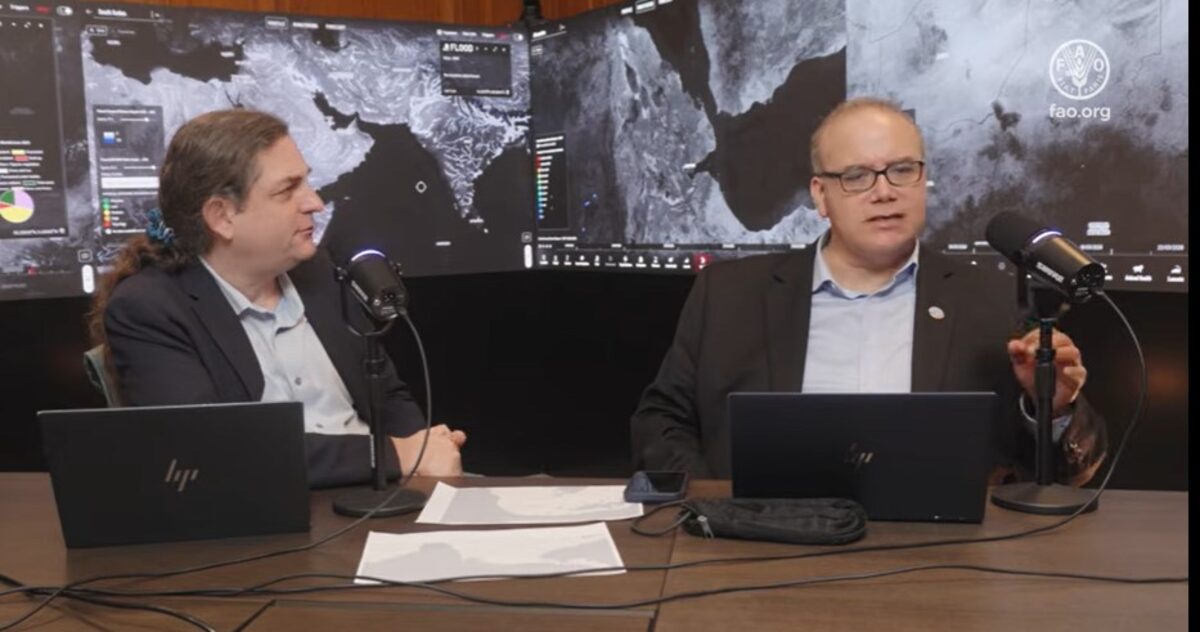
“The clock is ticking,” said FAO chief economist Maximo Torero. In a wide-ranging briefing, Torero emphasised that the timing could not be worse, as critical crop calendars for the world’s poorest nations are currently at stake.
A bottleneck for global survival
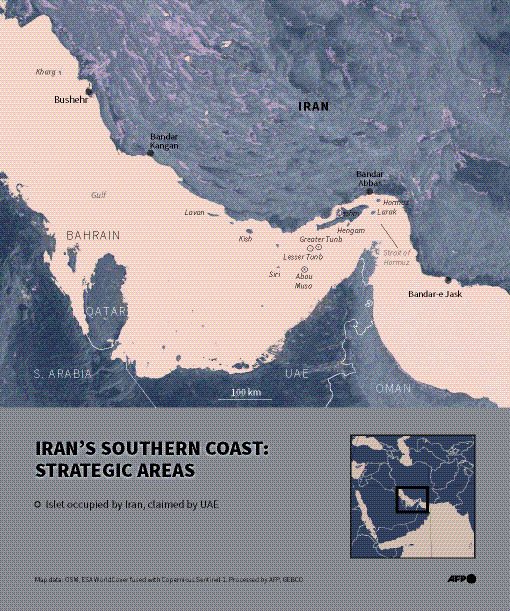
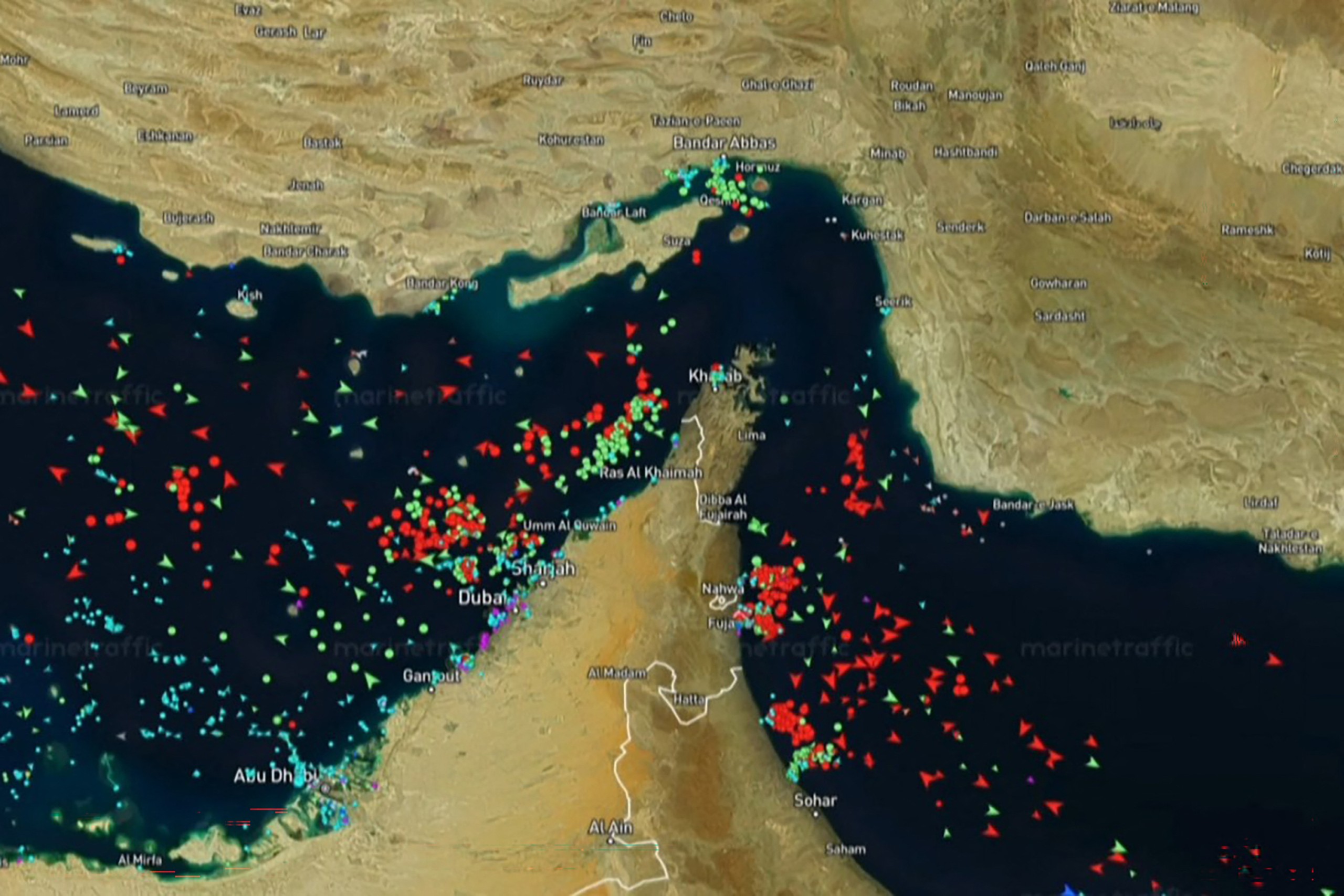
The Strait of Hormuz is a vital artery for global stability; between 20% and 45% of key agrifood inputs, including fertilizers and energy, rely on passage through these waters. With ships currently at a standstill, the FAO fears that a shortage of these inputs will force farmers to make impossible choices.
By May, farmers globally must decide whether to scale back planting due to scarce fertilizers or pivot land toward biofuels to capitalize on soaring oil prices. Either choice leads to the same result: a drastic reduction in the global food supply.
“We are in an input crisis; we don’t want to make it a catastrophe,” said David Laborde, director of FAO’s Agrifood Economics Division. “The difference depends on the actions we take.”
The economic domino effect
The FAO warned that this is not merely a “farming issue” but a macroeconomic threat.
Lower Yields: Producing with fewer inputs today ensures lower yields in late 2026 and 2027.
Inflationary Pressure: Scarcity leads to higher commodity prices and retail food inflation.
Economic Stagnation: To combat rising food costs, governments may be forced to hike interest rates, inadvertently slowing global economic growth.
Unlike natural disasters or the erratic behavior of El Niño, the FAO notes that this bottleneck is entirely man-made. “This is something governments can resolve and have to resolve,” Torero stated
A call for anticipatory action
To prevent a total breakdown of the food chain, the FAO is urging international cooperation on three fronts:
Financial Intervention: Multilateral institutions, such as the International Monetary Fund (IMF), should activate “Food Shock Windows” to provide financing for at-risk countries to secure fertilizers immediately.
Avoid Protectionism: Countries must resist the urge to impose export restrictions on energy and fertilizers, which Torero notes “exacerbated food price spikes in past crises.”
Prioritization: The FAO has already developed a crop calendar-based system to identify which countries need fertilizer most urgently to avoid mass farmer bankruptcies
The “perfect storm”
The warning comes as the FAO Food Price Index remained relatively stable through March. However, that stability is fragile. With fertilizer markets being notoriously “inelastic”- meaning small changes in supply lead to massive price swings – the market is expected to react violently if vessels do not begin moving through the Strait soon.
If the current geopolitical standoff converges with a strong El Niño cycle, the FAO warns the world could face a crisis even more severe than the 2022 shock. As Torero concluded, “If we don’t accelerate, the risks will exacerbate.”