MALMESBURY – A network that began with a teenager in Texas has evolved into a decentralised “online ecosystem” spanning countries and platforms — raising concerns about the growing threat of child exploitation and sextortion, including for South African families.
Founded by a 15-year-old Texas teenager, it has grown into what researchers describe as a global and decentralised online ecosystem associated with sextortion, child sexual exploitation, hacking and other criminal activity.
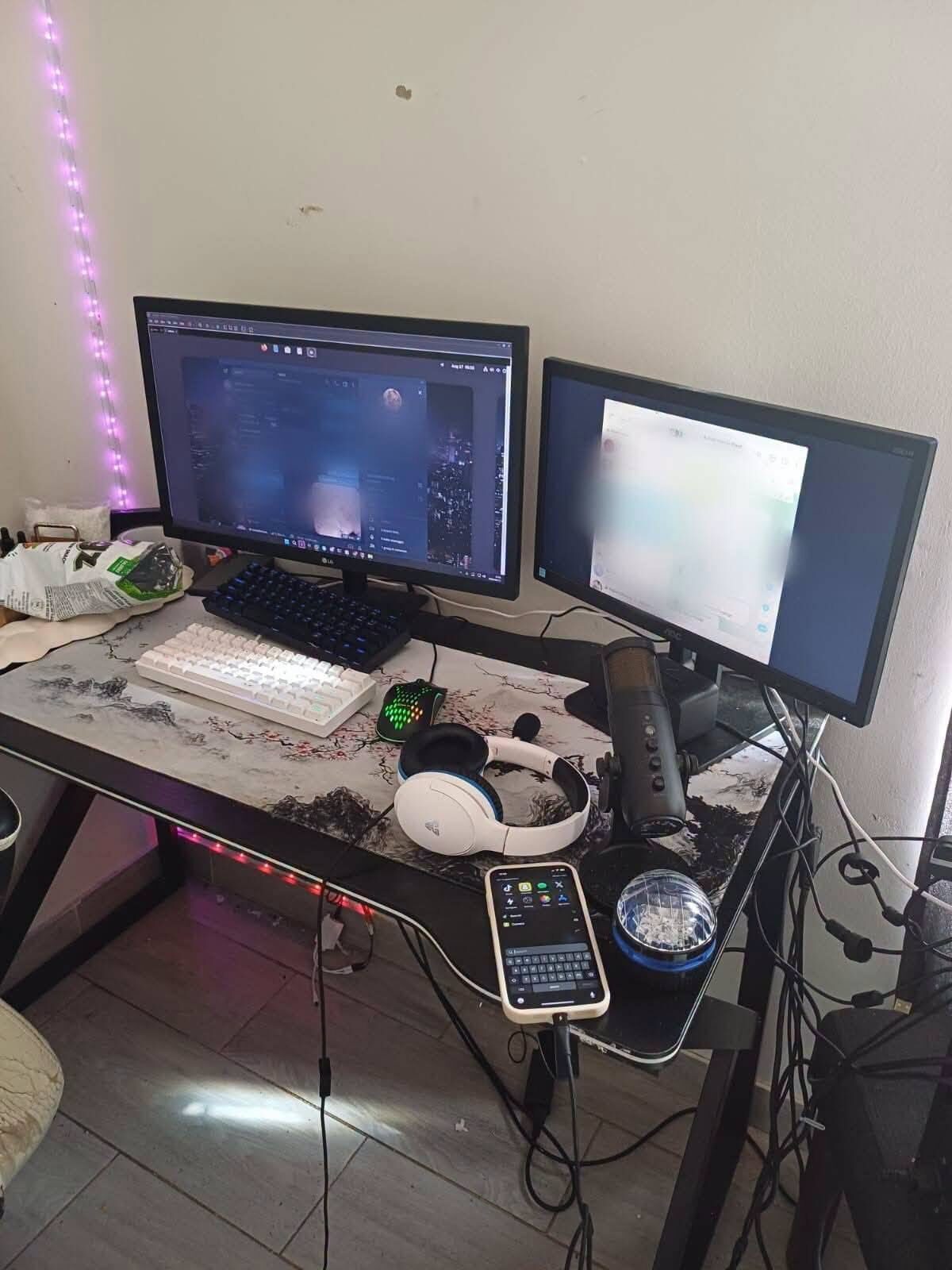
The violent international online network known as “764” has reached South Africa following the arrest of a 16-year-old teenager in Malmesbury on 17 August. The teen’s arrest highlights the networks global spread from the US.
The 16-year-old, accused of child sexual abuse material offences and animal abuse, has been sent for a 30-day mental observation at Valkenberg Psychiatric Hospital.
The case was postponed at Malmesbury magistrates’ court on Tuesday, 1 September, marking the teenager’s third court appearance since his arrest in August. He will return to court on 5 October, confirmed National Prosecuting Authority spokesperson Eric Ntabazalila.
The teenager faces charges of accessing, possession, facilitation and downloading of child sexual abuse material, as well as animal abuse.
ALSO READ: How Malmesbury teen’s arrest unfolded: police reveal details
International collaboration leads to arrest
The teenager’s arrest followed collaboration between the South African Police Service and international law enforcement agencies.
The police National Serial and Electronic Crime Investigations Team operationalised intelligence received from the Federal Bureau of Investigation, the United States Embassy and the National Centre for Missing and Exploited Children, which indicated a target suspected of being linked to violent online networks commonly referred to as “764” was believed to be located in South Africa.
The National SECI Team traced the teenager to an address in Malmesbury, where he was arrested in the act. The operation was supported by members of Head Office Occult Unit, the Paarl Family Violence, Child Protection and Sexual Offences Unit, Paarl K9 Unit and Western Cape Crime Scene Investigation Unit, as well as FBI and Homeland Security Investigations agents.
A preliminary on-site analysis of the suspect’s electronic devices uncovered explicit images and videos depicting child sexual abuse and animal mutilation. A number of child victims have been identified.
What is the 764 network?
The 764 network represents what researchers describe as a decentralised, global network of online communities that targets and exploits vulnerable people, particularly children.
According to the Anti-Defamation League, the network emerged from a broader online environment where individuals and groups were involved in activities including hacking, swatting, SIM swapping, sextortion and distribution of child sexual abuse material.
The network was founded by Bradley Cadenhead in 2020, according to the BBC. Cadenhead was arrested in August 2021 and was later sentenced in the United States to 80 years in prison.
He launched his online community on the social platform Discord when he was 15 years old, calling it “764” because he lived in Stephenville, Texas, where the postal code begins with the numbers 764.
Since the launch, the network has become a global movement, with an array of offshoots and subgroups that often rebrand and change their names to evade social media companies and law enforcement.
What makes 764 particularly concerning is that it does not operate like a conventional organisation with a single leader or headquarters. The network has become an umbrella term for groups that share similar methods and online culture.
How the network operates
Members employ tactics described as Sadistic Online Exploitation. Predators seek out children online through mobile messaging apps, social media and gaming platforms.
FBI Special Agent Alan Karr warned parents that after identifying a potential target, these predators methodically attempt to befriend potential victims through a grooming process that often includes establishing a trusting or romantic relationship.
The goal is to manipulate and threaten the child into producing and sharing child sexual abuse material, acts of animal cruelty, self-harm or violence.
FBI Dallas Assistant Special Agent in Charge Robbie Manson provided an overview of the growing threat from members of violent online networks in a statement earlier this year.
“Although the names of these networks are constantly changing, their activities remain the same: They seek to coerce and manipulate minor victims into harming themselves, animals and other minors.”
Members of 764 are sometimes motivated by a type of ideology called Nihilistic Violent Extremism, or a desire to sow chaos. They build trust with victims and later coerce them into sharing personal information and explicit pictures and videos, which are then used to blackmail victims into creating additional content depicting escalating sexual and violent behaviour.
Global reach and warnings
The FBI is currently investigating more than 450 subjects tied to 764 and other violent online networks.
In an ABC News interview in 2025, FBI Assistant Director David Scott, the head of the FBI’s Counterterrorism Division, which is now leading many of the U.S. government’s investigations tied to 764, said they have seen victims as young as nine, and federal authorities have indicated there could be thousands of victims worldwide. This fact was confirmed after the 16-year-old teen’s arrest in a rural town in the Western Cape.
Earlier this year, FBI Boston and FBI Dallas issued warnings to parents about a sharp increase in extremists targeting children and vulnerable victims online.
UNICEF reported this month that approximately 20 million children across 21 countries experienced online sexual exploitation or abuse during a single year, with social-media platforms among the main environments where abuse occurred.
Warning signs and protection
The FBI issued potential signs of victimisation that parents should watch for, including sudden behaviour changes such as becoming withdrawn, moody or irritable, changes in appearance, signs of animal cruelty, unexplained harm to younger siblings, and fresh cuts, scratches, bruises, bite marks or burns.
The South African Police Service warns that once sexually explicit material is shared online, the sender can lose control over where it goes or how it is used. Sextortionists may use compromising material to threaten or blackmail victims.
SAPS advises young people not to share sexually explicit images and to tell a trusted adult if someone online pressures or threatens them.
Following the Malmesbury teenager’s arrest, talks on internet dangers have been held at primary and high schools across the Swartland, highlighting the growing need to educate young people about online safety.