

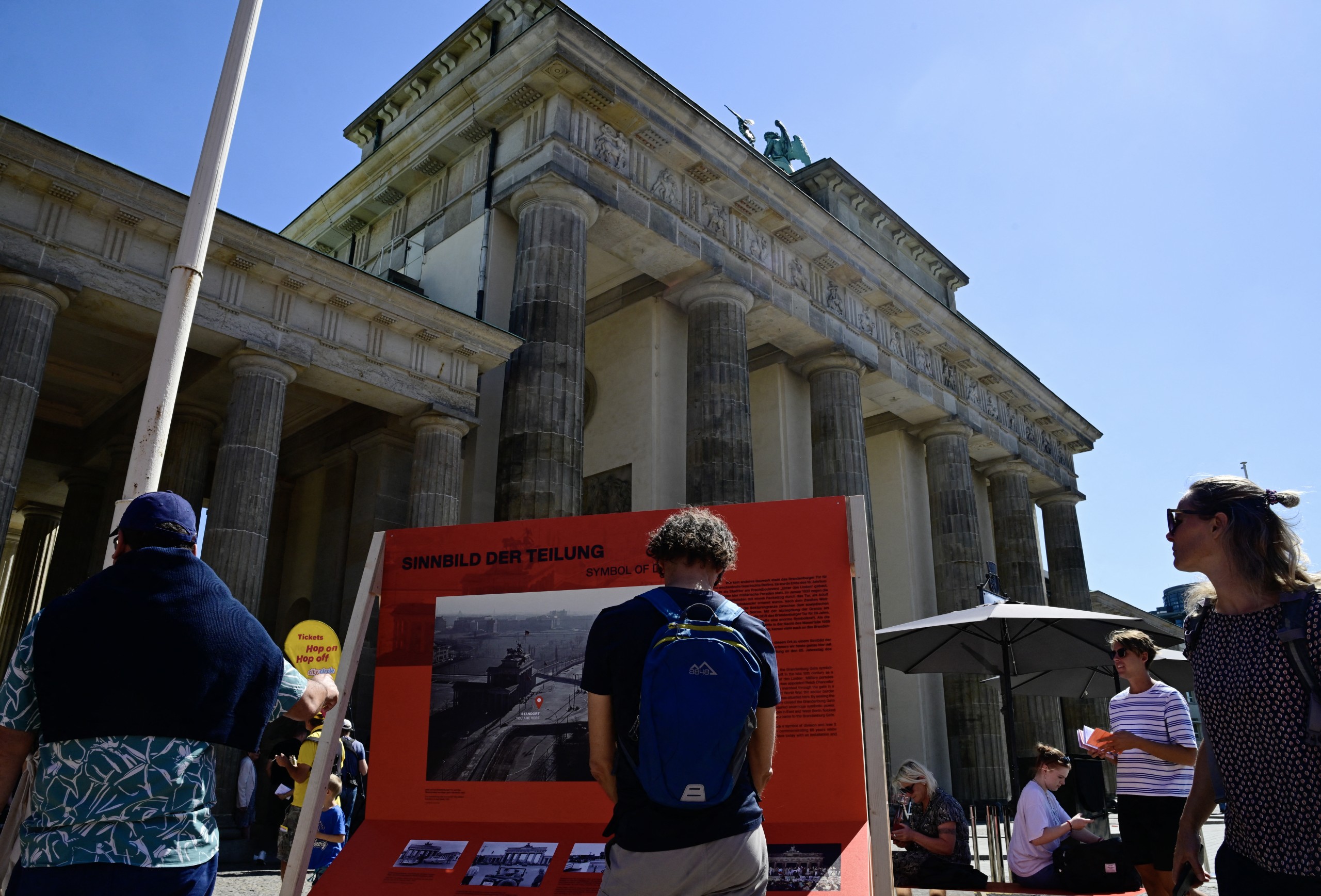
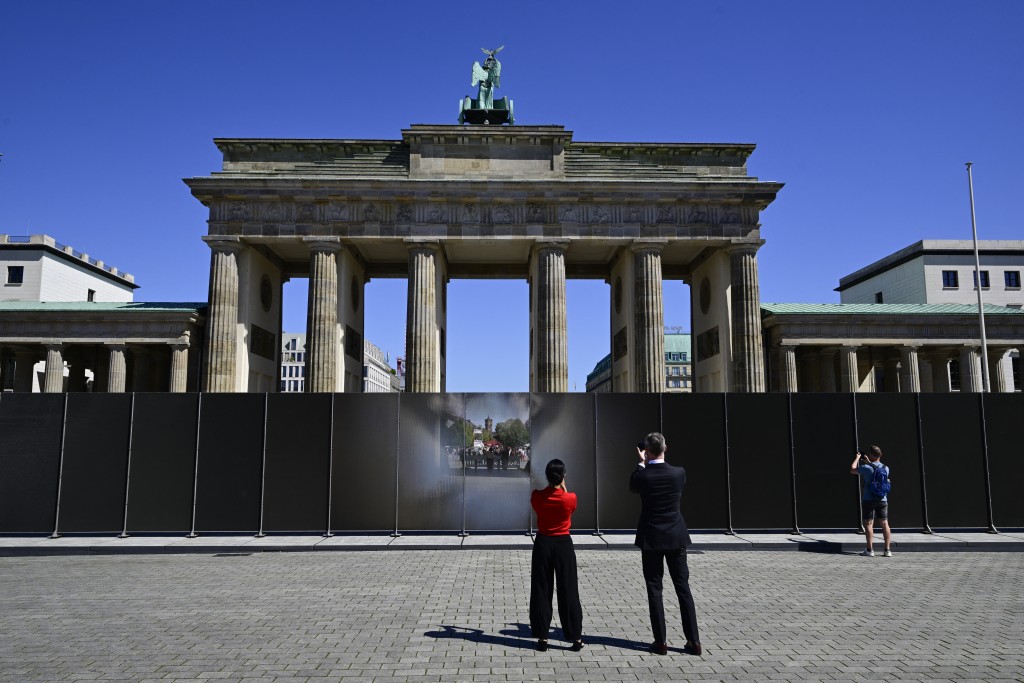
German political leaders have issued warnings against the growing trend of romanticising communist East Germany, as the country marks 65 years since the Berlin Wall was erected.
The warnings come weeks before crucial regional elections in eastern Germany, where the far-right Alternative for Germany (AfD) party has been accused of expressing nostalgia for the fallen regime.
Culture Minister Wolfram Weimer said left-wing and right-wing extremists are trying to downplay the crimes committed by successive East German governments more than three decades after the wall fell in 1989.
“Yet the regime was a brutal dictatorship, devoid of free elections, freedom of the press and freedom of movement, but characterised instead by the Stasi, torture chambers and the death strip along the Wall,” he said.
Concerns over selective memory
Evelyn Zupke, federal commissioner for victims of the German Democratic Republic, said East Germany appears more appealing to some people the further it recedes in history.
She told the Rheinische Post daily that she feared a one-sided and nostalgic narrative could blur the reality of the dictatorship. The phenomenon, known as “Ostalgie”, was first adopted by far-left parties but has now spread across the political spectrum.
AfD uses East German symbols in campaign
State elections in the east next month are expected to reflect lasting political divisions between east and west Germany, decades after the country’s 1990 reunification.
In Saxony-Anhalt, the anti-immigration AfD could do well enough to form its first state government, according to polls.
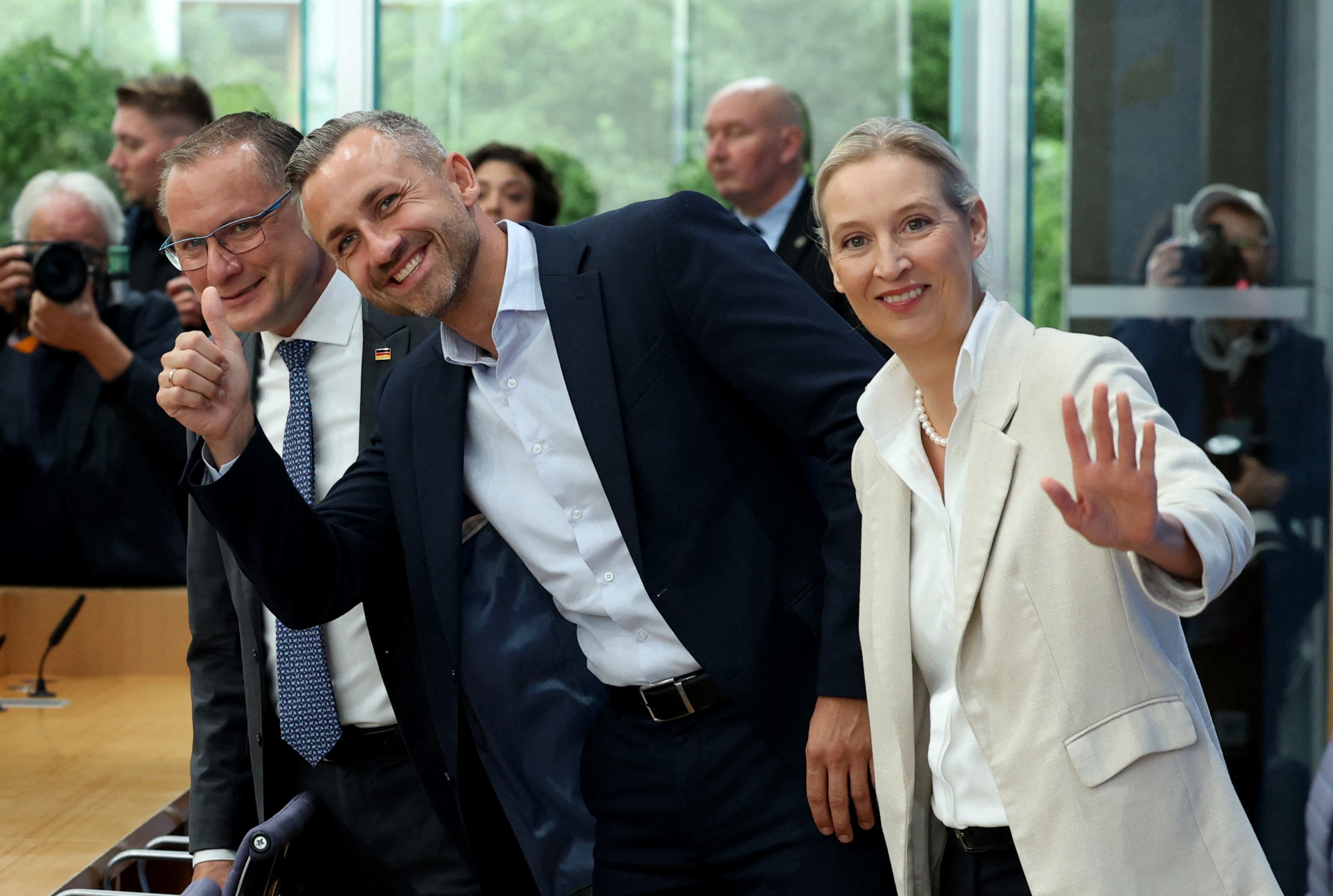
The party’s lead candidate there, Ulrich Siegmund (35), recently caused controversy by singing the old East German national anthem at a campaign event alongside the party’s national co-leader Tino Chrupalla.
Despite being born shortly after reunification, Siegmund has used nostalgic symbolism, often riding a vintage East German Simson motor scooter at campaign events. Some supporters have worn T-shirts or driven vehicles displaying East Germany’s flag and hammer-and-compass emblem to express an enduring sense of regional identity.
Economic progress fails to heal divisions
Many in eastern Germany still feel disadvantaged and sidelined in public life, despite more positive economic data in recent years and a narrowing income gap with the west.
The AfD accuses Germany’s government of selling out the country by allowing mass immigration, mismanaging the economy and propagating what it calls “woke” social and ecological policies. This message resonates especially in the east.
Lingering resentment, alienation and a sense of cultural loss are often cited to explain the strong appeal of the AfD in former East Germany, where it scored a record 32% of the vote at last year’s federal election.
Two weeks after the vote in Saxony-Anhalt, Mecklenburg-Western Pomerania and Berlin will also elect their state assemblies, with the AfD expected to boost its vote share in both.
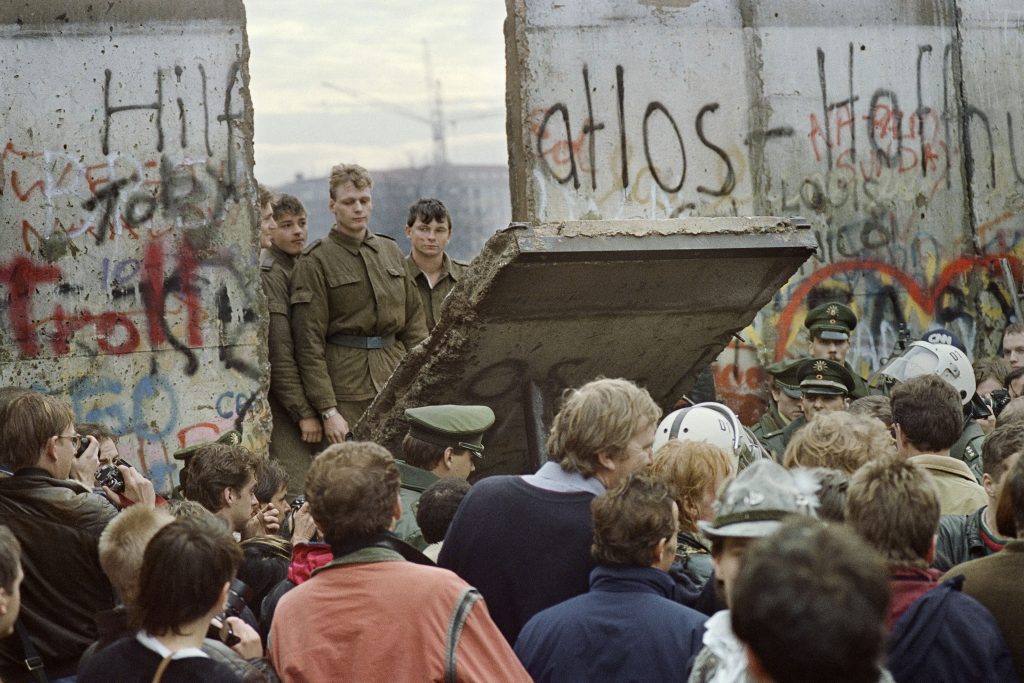
East German authorities began building the Berlin Wall on 13 August 1961, then progressively widened and fortified it to include watchtowers, patrols and guard dogs. More than 100 people died trying to escape to the West before the wall fell in November 1989.
Germany’s parliamentary president Julia Kloeckner said in her commemorative speech on Thursday that the wall left its mark on Germany and continues to influence the country.
“Political questions are sometimes answered very differently on both sides,” she said, referring to different attitudes over Covid pandemic measures, migration and how to deal with Russia.
She said much of this was linked to sharply different life experiences. “For West Germans, not much changed with reunification. For East Germans, everything changed.”


You must be logged in to post a comment.