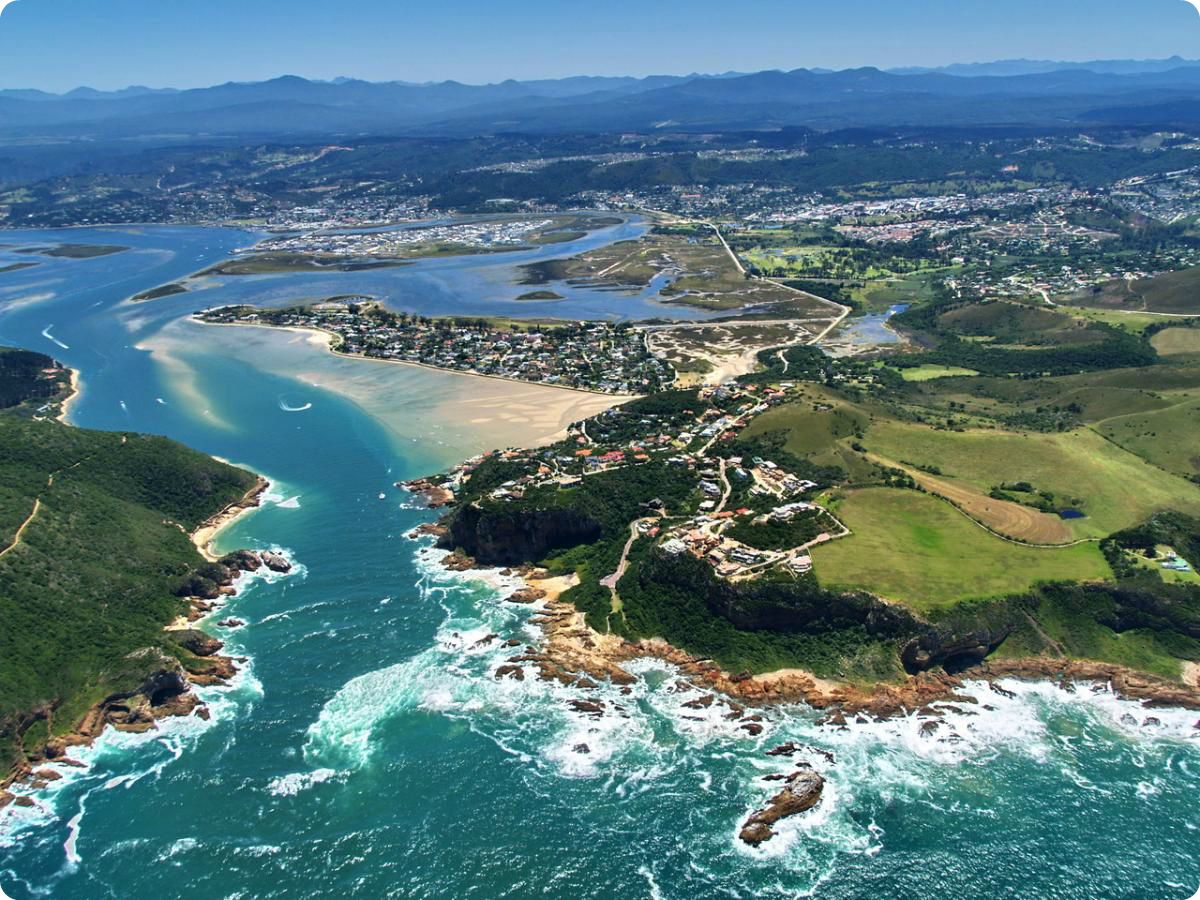
KNYSNA – The popular Garden Route tourist destination of Knysna is facing an unprecedented water crisis, with only 12 days of usable water remaining as the town’s primary reservoir drops to critically low levels.
The Akkerkloof Dam, which serves as Knysna’s main water storage facility, has plummeted to just 19% capacity, prompting the National Department of Water and Sanitation (DWS) to declare a serious water security crisis requiring “immediate and collective action from all sectors of society.”
The timing couldn’t be worse for the coastal municipality, which relies heavily on tourism revenue during the peak summer season. The crisis threatens to devastate local businesses, accommodation providers, and the thousands of visitors who flock to the area during the holiday period.
The water shortage results from a confluence of challenges that have pushed Knysna’s water system to the brink. Below-normal rainfall patterns and reduced river flows due to prolonged drought conditions have significantly decreased water inflows into the municipal system.
Adding to the natural challenges, recent incidents of infrastructure vandalism have further constrained the municipality’s ability to meet growing demand from residents, businesses, and the influx of summer tourists.
“The situation constitutes a serious water security crisis,” the DWS stated in a statement, emphasising the urgent need for coordinated intervention across all levels of government.
In response to the deteriorating conditions, authorities have activated a Joint Operations Committee (JOC) co-chaired by the DWS, Western Cape Department of Local Government, and Knysna Municipality. The emergency structure also includes technical support from the Breede-Olifants Catchment Management Agency and Garden Route District Municipality.
The committee is tasked with implementing immediate emergency measures while developing medium and long-term solutions to prevent future water security crises in the region.
DWS has directed the municipality to urgently explore alternative water sources, including groundwater abstraction, borehole development, water reuse technologies, and temporary augmentation schemes.
The situation constitutes a serious water security crisis.
Authorities are preparing to launch a “Compliance and Enforcement Blitz” to ensure adherence to water use restrictions and prevent illegal water abstraction that could further compromise the already limited supply.
Current emergency measures include:
- Level 4 water restrictions for all users
- Demand reduction initiatives requiring significant consumption cuts
- Additional water sourcing where technically feasible
- Public awareness campaigns for residents and visitors
- Infrastructure maintenance to minimise water losses from leaks
The crisis highlights the growing impact of climate change on water resources in coastal municipalities that depend heavily on tourism. The DWS emphasized that water authorities can no longer rely solely on traditional surface water systems.
Future resilience will require diversified water portfolios including groundwater development, water recycling, stormwater capture, and where feasible, desalination projects.
“Water Services Authorities must diversify portfolios through a mix of groundwater development, water reuse and recycling, stormwater capture, and desalination,” the department stated.
The department expressed particular concern about the potential socio-economic impact on households, public services, and the crucial tourism industry during peak season. The Garden Route region’s economy depends heavily on summer visitors, making the water crisis especially damaging to local businesses and employment.
ALSO READ: Western Cape Government steps in to address Knysna’s water crisis during peak holiday season
DWS has condemned recent infrastructure vandalism and called on community members to report such incidents to law enforcement authorities, as these actions further threaten the community’s water security.
Authorities are appealing to all residents, businesses, and visitors to use water sparingly and responsibly as the municipality races against time to implement emergency water supply measures.
Government officials promised regular public updates as emergency interventions are implemented and conditions evolve, but acknowledged that without immediate action and cooperation from all water users, Knysna faces the real prospect of running out of municipal water supply within less than two weeks.