

October is Menopause Awareness Month, an annual initiative to increase awareness, break the stigma, and empower women with knowledge and support.
Menopause, a natural life stage marking the end of a woman’s reproductive years, affects over 47 million women worldwide each year. By 2030, the world population of menopausal and postmenopausal women is projected to increase to 1,2 billion.
Most women experience menopause between the ages of 45 and 55 as a natural part of biological ageing, caused by the loss of ovarian follicular function and a decline in circulating blood estrogen levels. Perimenopause is the transitional phase, often starting in a woman’s 40s, when estrogen levels gradually drop and symptoms may include irregular periods.
Menopause is the point when periods stop completely, and estrogen production is very low. Postmenopause is the stage after menopause, lasting for the rest of a woman’s life, when most symptoms ease but risks including osteoporosis and heart disease may increase.
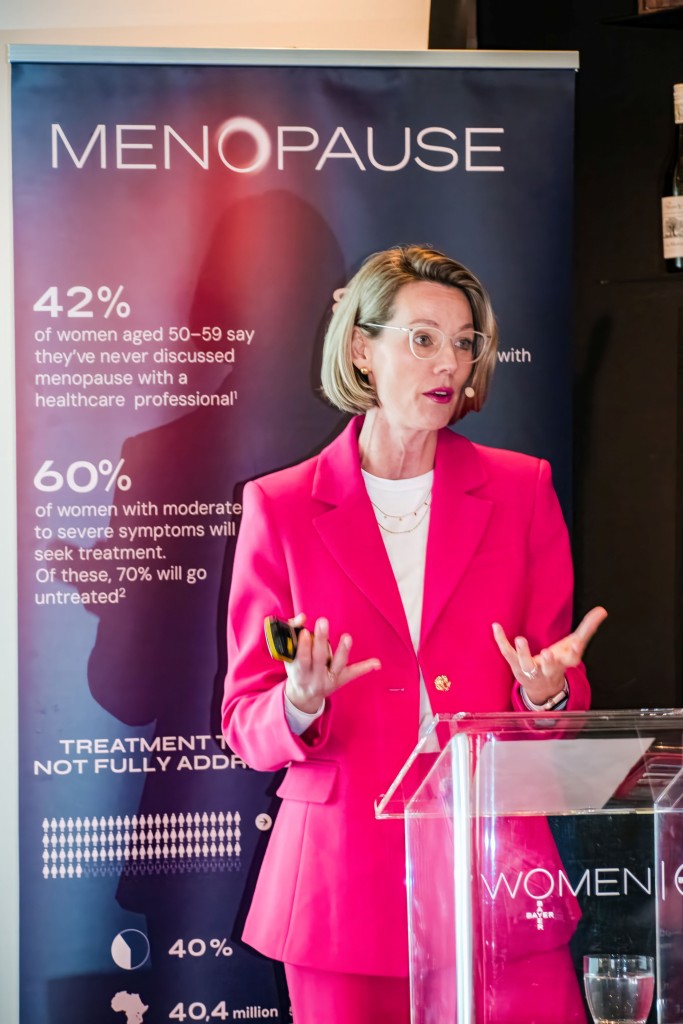
KNOWLEDGE GAP
Although menopause is an inevitable and pivotal stage in every woman’s life, it has for too long been overlooked and not discussed enough.
“Many women still enter menopause knowing more about puberty and pregnancy than about this transition. The silence around menopause in medical training and in society has created a knowledge gap, both for patients and for healthcare providers. Awareness is improving, but the pace is too slow compared to the needs of women today,” says Dr Ledivia Strauss of RevitaHealth in Paarl.
ALSO READ: 10 Tips to beat hot flushes during menopause
Historically, menopause was seen as something to “endure quietly” and something that is “natural”, which therefore does not need to be addressed. she adds. Culturally, there has been stigma, shame and a lack of open conversation.
“But the tide is turning,” Strauss points out. “Social media, high-profile women sharing their stories and movements like Menopause Awareness Month are sparking dialogue. More women are advocating for themselves in doctor’s rooms, demanding treatment and breaking the cycle of silence.”
BREAKING THE SILENCE
As a medical doctor with a special interest in functional, integrative, and aesthetic medicine, Strauss says that while menopause is inevitable, suffering is optional.
She has partnered with Bayer to take this message on the road, hosting “Let’s Talk Menopause” events in across South Africa. Bayer supports women through menopause by providing effective treatment options, built on decades of research and development.
Hormone replacement therapy (HRT), when taken at the right type and dosage, can relieve menopause and perimenopause symptoms including hot flushes, night sweats, mood changes, sleep issues, and vaginal discomfort.
Beyond symptom relief, HRT also offers important long-term health benefits, including lowering the risk of cardiovascular disease and helping to prevent or reverse bone loss.
DISPELLING MYTHS
Approximately 80% of women around the world experience menopausal symptoms which can significantly impact their daily lives, yet less than 20% of eligible women use HRT. In SA, the uptake is even lower, estimated at under 10%.
“This gap highlights how stigma, misinformation and lack of access leave many women untreated,” Strauss says.
The most common myth about HRT is that it is dangerous, particularly because of fears around breast cancer, she adds.
“This misconception largely stems from early misinterpretations of the Women’s Health Initiative (WHI) study in the early 2000s. More recent and nuanced research has shown that for healthy women under 60, or within 10 years of menopause onset, HRT is safe and provides significant benefits for bone, heart, brain, and metabolic health,” Strauss says.
“The ‘one-size-fits-all’ fear has denied millions of women access to a therapy that can truly transform quality of life.”
KNOW THE SYMPTOMS
There are 34 recognised major symptoms of menopause. Beyond hot flushes and night sweats, menopause can bring brain fog, anxiety, low mood, loss of confidence and metabolic shifts in the female body.
“These symptoms are biochemical, not ‘all in your head’. They affect relationships, career progression, self-identity and the development of silent chronic disease processes. Recognising and addressing these are as important as treating physical symptoms,” Strauss explains.
As much as she advocates for HRT, she is also passionate about lifestyle choices being powerful tools for supporting health during menopause.
This includes regular strength training which helps maintain muscle, bone density, and metabolism, while a balanced diet rich in protein, fibre, and whole foods supports hormone balance and weight management.
Quality sleep and stress management through mindfulness, yoga, or breathwork can regulate cortisol and boost mood, and limiting alcohol and avoiding smoking lowers cardiovascular and cancer risks.“Small, consistent habits often create the most significant long-term benefits,” Strauss says.
“Knowledge is your power, don’t accept feeling anxious, sleepless nights, exhaustion or loss of joy as your ‘new normal’. There are safe, effective treatments, from HRT to lifestyle strategies, that can help you thrive in midlife and beyond. Speak up, ask questions and remember that you deserve to feel strong, vibrant and fully alive in every season of your life.”


You must be logged in to post a comment.