
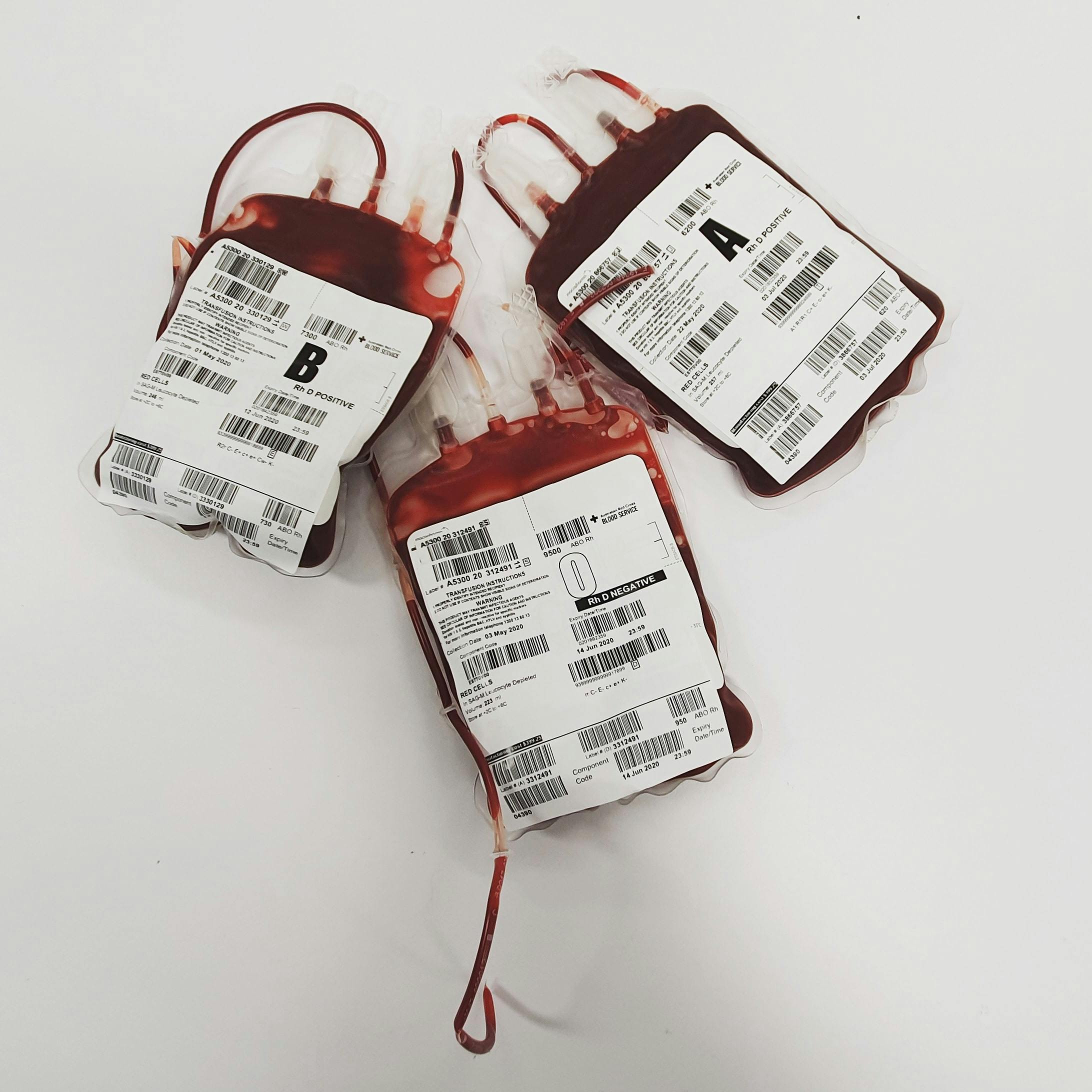
The South African National Blood Service (SANBS) has marked 21 years since it introduced a testing method that changed the way the country screens donated blood and ended a controversial policy that excluded most Black donors.
In October 2005, SANBS became the first country in the world to use Individual Donor Nucleic Acid Testing (ID-NAT) on a national scale. The technology allowed the organisation to move away from race-based blood collection policies that had limited which donors could give blood and how their donations could be used.
The shift came after years of pressure. Between 1996 and 2004, the HIV pandemic put the blood supply at risk. SANBS used race as a factor in deciding who could donate and how blood products were used, which meant Black donors faced exclusion or restrictions.
New testing ends exclusion
In 2004, after mounting concern over the use of race in its risk management, SANBS worked with the National Department of Health to get approval for ID-NAT. The following year, the new testing system went live.
ID-NAT screens donated blood for the genetic material of HIV, Hepatitis B and Hepatitis C. The technology can identify certain infections earlier than older testing methods, which reduces the window period when infections might go undetected.
The change had a direct impact on who could donate. In 2005, Black donors made up just 4% of the total donor base. By 2026, that figure has reached almost 60%.
Science meets human stories
Ravi Reddy, CEO of SANBS, says the milestone offers a chance to look at how science has improved blood safety and how the systems that support transfusion continue to develop.
“Twenty-one years later, this milestone provides an opportunity to reflect on how scientific innovation has helped strengthen blood safety and how the systems supporting transfusion continue to evolve,” Reddy said.
SANBS has released a documentary called Why Blood Matters, which explores the experiences of donors and recipients and shows how donation affects people’s lives.
The documentary focuses on the human side of blood donation, while ID-NAT represents the science and testing that happen before donated blood reaches patients.
Ongoing commitment to safety
The organisation says the combination of human generosity, scientific progress and the responsibility to provide safe blood products continues to shape its work.
South Africa’s shift to individual testing more than two decades ago set a precedent for blood services worldwide. The technology remains a key part of how SANBS protects patients who need transfusions.
WATCH THE PREVIEW TO WHY BLOOD MATTERS HERE.
ALSO READ: Blood service marks quarter century of saving South African lives