
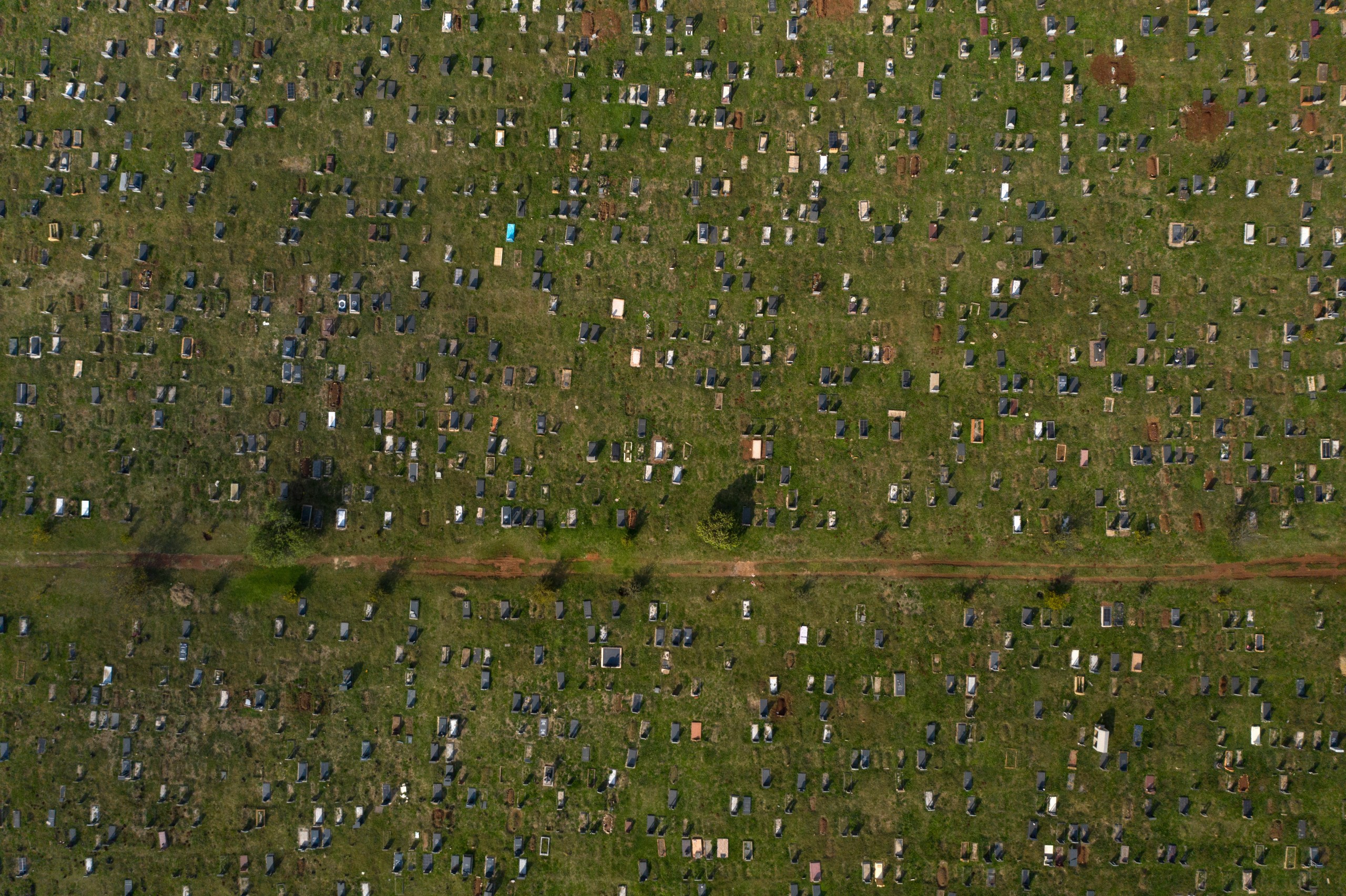
In Joburg’s cemeteries graves are vanishing beneath mounds of litter, fences lie stripped for scrap, and shelters made of cardboard and tarpaulin now stand between weathered tombstones. What were once sacred resting places have become home to some of the city’s most desperate citizens – and an indication of the City’s struggle to balance compassion, public safety and dignity in death.
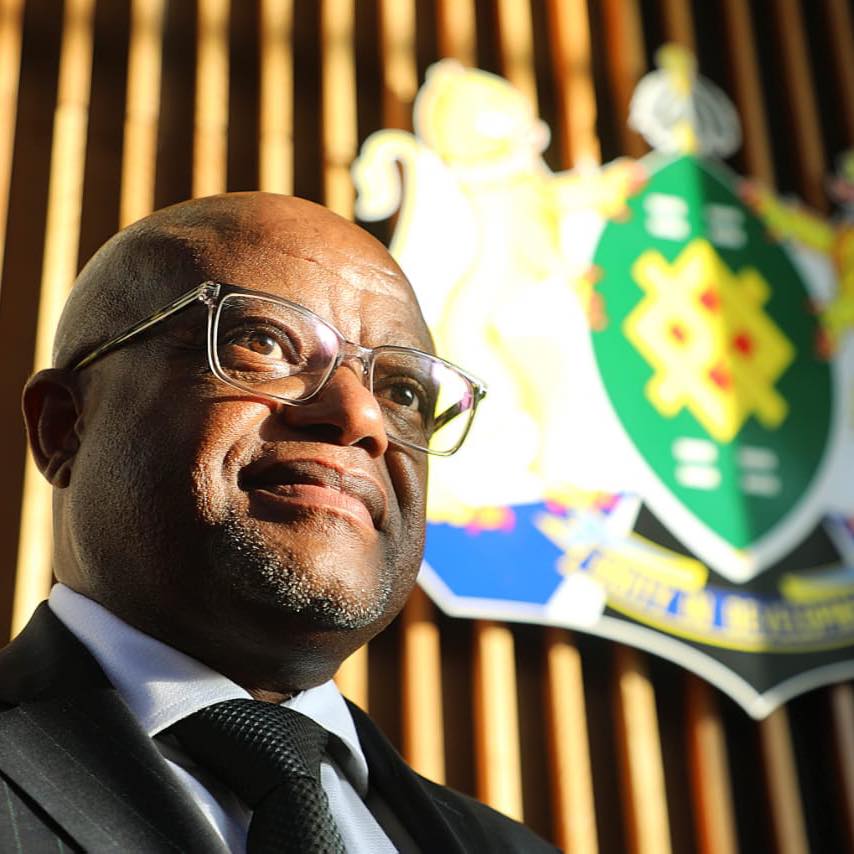
Joburg is fast running out of burial land and Mayor Dada Morero believes the city must confront an uncomfortable new reality. Some cemeteries, he says, may have to be repurposed – not destroyed or abandoned, but transformed into spaces that serve the living while preserving the dignity of the dead. His most radical suggestion: turning dormant cemeteries into solar farms.
“This is wasted land,” Morero told delegates at the South African Cemeteries and Crematoria Association (SACA) National Conference 2025 in August.
“We could put up solar panels on these cemeteries which would not disturb the graves or headstones. This will probably cause a lot of heated debates, but it would be done beautifully to retain the dignity and respect of the dead. There would be added security, which would also prevent the vandalism and neglect that we currently see.”
The idea, unprecedented in South Africa, taps into the global urgency of clean-energy transition while addressing a local crisis: land scarcity for burials and the collapse of Joburg’s existing graveyards. Morero painted a sobering picture: overcrowded cemeteries stripped of metal and headstones, unsafe for visitors, and increasingly misused as shelters by the homeless.
“For some residents, what should be a place of peace and remembrance is instead a place of fear, neglect, and insecurity,” he said. “This cannot continue. Dignity in death is a right – not a privilege.”
Across Joburg’s 42 cemeteries, thousands of destitute people now live among the tombstones. According to Johannesburg City Parks and Zoo (JCPZ), Brixton and Braamfontein are the most affected.
At Brixton Cemetery, one of the city’s oldest, fences have been stolen for scrap, gates hang open and informal recyclers sift through piles of litter and refuse left by mourners and illegal dumpers. “The cemetery looks untidy as the homeless people do recycling inside,” said Bishop Ngobeli, JCPZ’s Senior Manager for Cemeteries, during the SACA conference. “The fence is gone, the gates are broken, and communities no longer feel safe to visit their loved ones.”
Just a few kilometres away, Braamfontein Cemetery offers a glimpse of hope. It has recently been “reclaimed, cleaned, and secured” through what officials describe as a targeted intervention. “It shows that when we act decisively, we can turn things around,” Ngobeli said. “But without resources and community buy-in, it will not last.”
The contrast between these two sites captures a larger humanitarian emergency. The City estimates that between 15 000 and 20 000 people are homeless within its boundaries. A JCPZ survey of 1 193 public open spaces found 54 already occupied by entrenched homeless communities, among them one cemetery and 10 conservation sites. Region F, which includes the inner city and southern suburbs, recorded the highest concentration: 603 people in 16 sites.
“People come to Joburg looking for greener pastures,” Ngobeli said. “When that fails, they settle in open spaces, cemeteries included. It’s not because they want to disrespect the dead; it’s because they have nowhere else to go.”
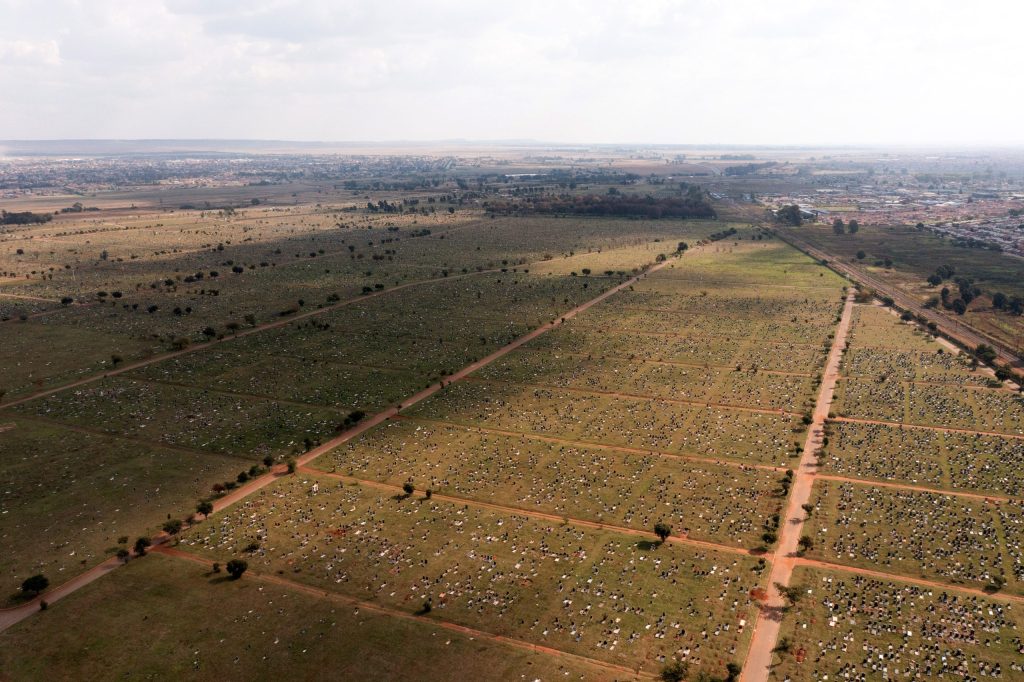
The consequences are stark. Fires lit for warmth scorch vegetation and gravestones. Metal theft strips away boundary fences. Dumping and makeshift sanitation spread disease. “The homelessness creates unsafe cemeteries,” Ngobeli warned. “Communities don’t feel safer to visit. We deploy guards where we can, but budgets are limited.”
City Parks has tried “green fencing” by planting rows of trees to form natural barriers, but even these saplings are stolen. “Our trees are stolen before they can grow,” Ngobeli added.
Maintaining a permanent guard force across 42 cemeteries, officials concede, is financially impossible. “We simply don’t have enough budget to secure all cemeteries,” Ngobeli said.
City Parks is now pushing a multi-pronged plan:
- Relocate homeless residents to shelters.
- Launch a mass clean-up of affected cemeteries.
- Repair fences and repaint vandalised buildings.
- Create “Friends of Cemeteries” community groups.
- Enforce by-laws aggressively against dumping, vandalism and trespass.
Ngobeli urged the City to see cemeteries not just as liabilities but as heritage assets. “We can transform them into places of history and remembrance with walking routes, genealogy trails, green lungs for the city,” he said. “But that starts with restoring dignity.”
Opening the national SACA conference, Morero framed the crisis as both moral and practical. “A society is judged not only by how it treats its living, but also by how it lays its dead to rest,” he said.
He admitted cemeteries have suffered from budget constraints and competing priorities within the city’s Integrated Development Plan. “They often fall behind housing, water and other pressing needs,” he said.
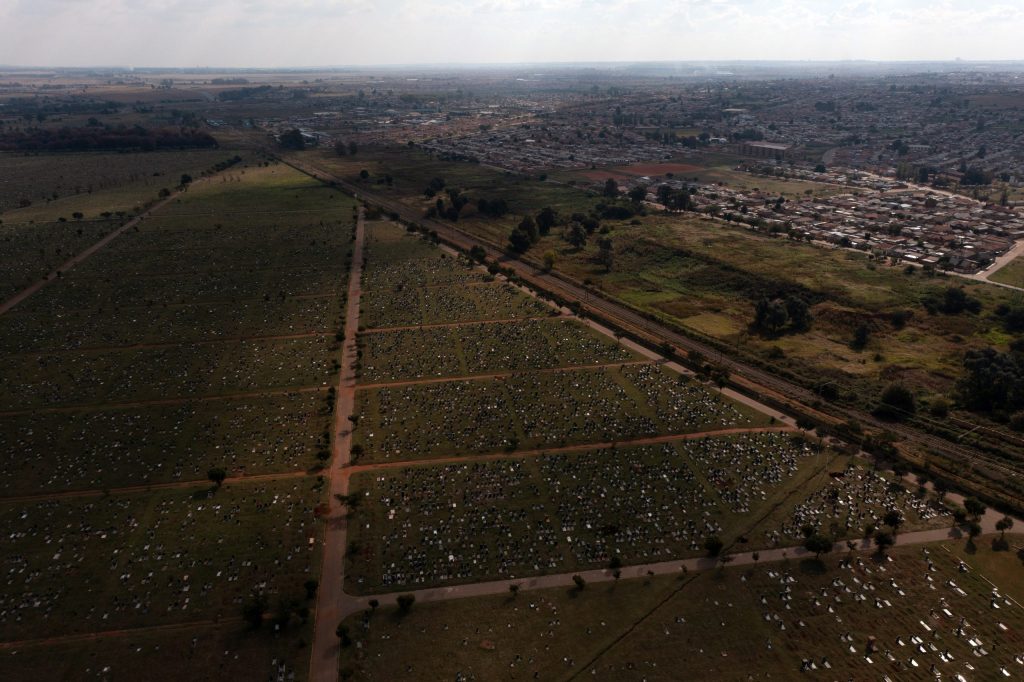
Joburg, he added, must “balance compassion, public safety and dignity in death.” The city is reviewing its cemetery and crematoria by-laws to align with national policy and looking for frameworks that “balance tradition and innovation – that enable municipalities to reserve land, incentivise sustainable practices, and ensure accountability.”
Morero drew attention to the plight of indigent and undocumented residents who die without means. “Every year thousands die in poverty, unclaimed and unnamed. Municipalities carry a double burden – the moral duty to bury with dignity and the financial strain of doing so. This is not only a policy question; it is a moral one.”
He urged both public and private players to embrace modern, sustainable approaches to burial and cemetery management:
- Multiple family burials in the same grave to save land;
- Cremation, to be destigmatised as affordable and environmentally responsible;
- Above-ground mausoleums and vertical burial structures;
- Digitised cemetery records for transparency and heritage preservation;
- Green burials to reduce ecological impact.
“Land alone will not solve our problem,” Morero said. “We must use it wisely and innovatively, but never at the expense of faith and culture.”
Joburg’s cemeteries mirror its cultural diversity – Christian, Muslim, Jewish, Hindu, Chinese and African traditional practices co-exist. “We will not impose a one-size-fits-all solution,” the mayor said. “Instead, we will work hand in hand with religious leaders and funeral directors to ensure every innovation respects our community’s traditions.”
Against this backdrop, Morero’s solar-farm proposal created an interest among delegates. Dormant cemeteries, he argued, could generate renewable energy and new revenue while safeguarding sacred spaces. “Solar panels could rise above the graves without disturbing them,” he said. “They would create secure, well-maintained spaces that continue to honour the dead while serving the living.”
The plan dovetails with Joburg’s wider energy-transition ambitions. By converting unused ground into clean-power sites, the city could improve security, cut maintenance costs, and symbolically bring light to the city of the dead.
JCPZ Managing Director Thanduxolo Mendrew echoed the mayor’s warnings. “Our duty is to ensure that when residents bury their loved ones, they do so in places that are safe, dignified, and respectful of cultural and spiritual values,” he said. “Yet this responsibility is becoming increasingly difficult.”
He listed the same catalogue of woes: land scarcity, desecration, vandalism, crime and encroachment by displaced persons. “For many families, sacred spaces of remembrance have been reduced to neglected and unsafe environments,” he said.
JCPZ is exploring alternative burial models and running public-awareness campaigns so families understand their choices. “Death is universal. It is the ultimate equaliser. Every community deserves the comfort of knowing that their traditions are respected, but we must face the reality that our current practices are under strain,” Mendrew said.
This story is produced by Our City News, a non-profit newsroom that serves the people of Johannesburg.
ALSO READ: Access to water is a full-blown crisis in Johannesburg




You must be logged in to post a comment.