

During March this year, Springbok in the Northern Cape was the most expensive among six major towns and cities in South Africa to shop for groceries.
The food basket, consisting of 44 essential and specific items, in Springbok was the most expensive at R5 690.83. This was followed by the food basket in Johannesburg at R5 585.67; Mtubatuba R5 312.73; Durban R5 267.26; Cape Town R5 156.88; and Pietermaritzburg R5 002.77. The average cost of this household food basket that reflects typical purchasing patterns reached R5,328.53.
This is according to data from the Pietermaritzburg Economic Justice and Dignity (PMBEJD) group, which tracks the cost of a household food basket across these six towns and cities in the first week of every month.
The food prices are tracked directly by women data collectors living in these towns and cities. Every month, they track the prices off the shelves of 47 supermarkets and 32 butcheries that target the low-income market and which women identified as those they shop at in the areas where they live.
Some cheaper, some with a price hike
According to the latest PMBEJD report, 18 of the 44 tracked food items became cheaper or saw no increases year-on-year, while the other 26 experienced price hikes, with five items seeing double-digit inflation.
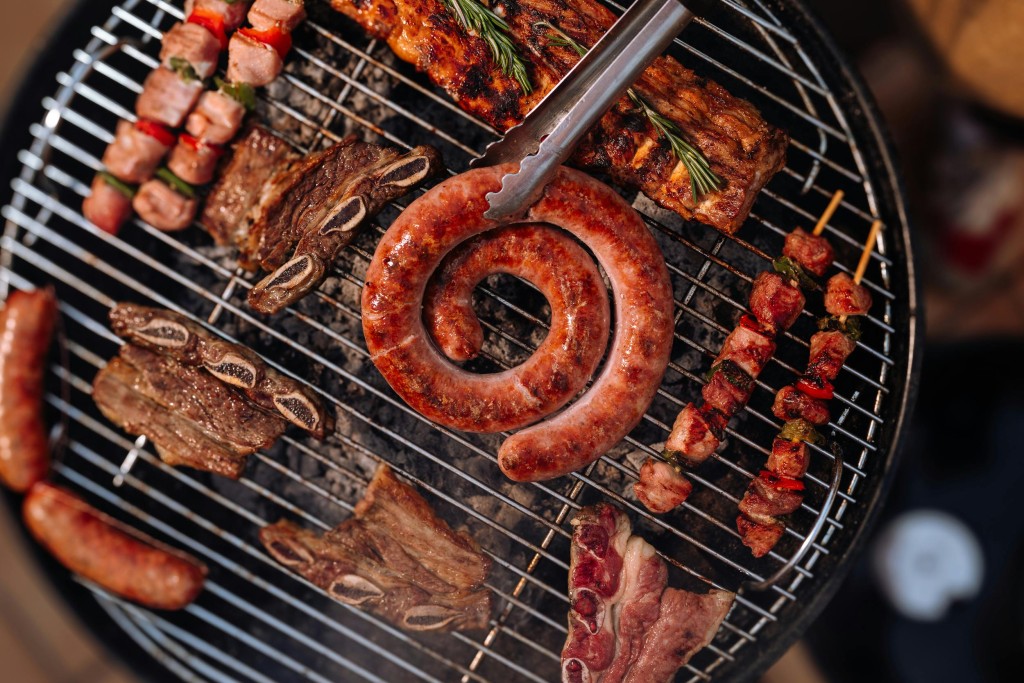
Some of the food items that were cheaper in March 2026 compared to March 2025 are maize meal (-12%); rice (-25%); cake flour (-7%); sugar beans (-22%); potatoes (-13%); eggs (-9%); butternut (-5%); green pepper (-8%); and cabbage (-3%).
Items with a price hike in March 2026 – compared to March 2025 – are beef liver (22%); gizzards (15%); beef (16%); beef tripe (11%); oranges (20%); onions (8%); frozen chicken portions (6%); soup (5%); tea (6%); fish (7%); carrots (5%); spinach (5%); as well as peanut butter, polony, and apricot jam, each with a 7% increase.
Some of the biggest price differences in products between the six towns and cities for March are:
- 30kg maize meal: Springbok R373,97 and Durban R285,72;
- 10kg rice: Springbok R152,66 and Pietermaritzburg R98,59;
- 10kg white sugar: Springbok R263,32 and Mtubatuba R199,99;
- 1kg salt: Pietermaritzburg R21,39 and Cape Town R9,74;
- 2kg beef: Johannesburg R225,23 and Springbok R179,98;
- 2kg wors: Mtubatuba R214,98 and Cape Town R86,97; and
- 6kg tomatoes: Johannesburg R141,45 and Pietermaritzburg R91,39.
Massive hike in fuel prices a threat to food inflation
According to businesstech.co.za, economists warned earlier in the year that beef prices were likely to continue rising through April 2026 as the country’s Foot and Mouth Disease outbreak runs its course.
The latest Braai Index for March 2026 shows that year-on-year inflation for the braai basket is continuing to rise, despite month-on-month prices easing.
The March index shows that the South African braai basket has increased 1.1% year-on-year, driven by increases for both the meat (beef and chicken) and vegetable components.
However, the true battle lies ahead, with the massive hike to diesel prices in April threatening to send food inflation rocketing.
ALSO READ: Eskom tariff hike takes effect – calls for pricing reform


You must be logged in to post a comment.