

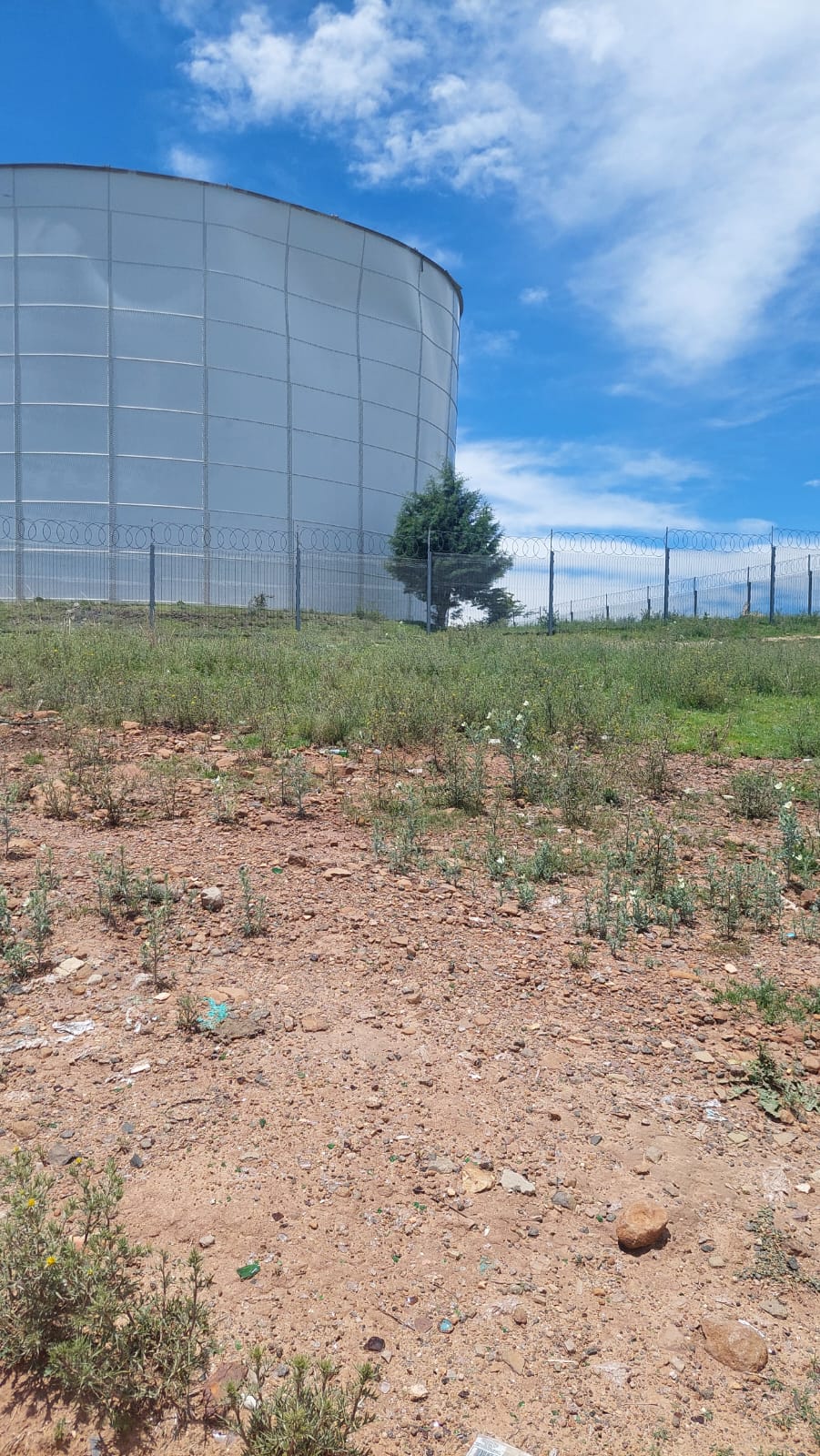
DIHLABENG – The current status of the 2017 reservoir project within Dihlabeng Local Municipality has raised serious concerns about municipal service delivery and governance, with evidence suggesting this represents a failed infrastructure initiative rather than merely a delayed project.
Based on information presented in a municipal report to council, the project has not delivered on its intended purpose of strengthening the community’s water storage capacity despite the passage of time and allocation of resources. The procedural status confirms that the initiative has failed to translate into functional infrastructure, raising serious questions about planning, implementation, oversight, and accountability within the municipality.
The Democratic Alliance emphasises that access to clean and reliable water is a fundamental human right enshrined in South Africa’s Constitution. The failure of such a critical project directly undermines this right and places residents, businesses, and vulnerable communities at continued risk in a country already facing significant water security challenges.
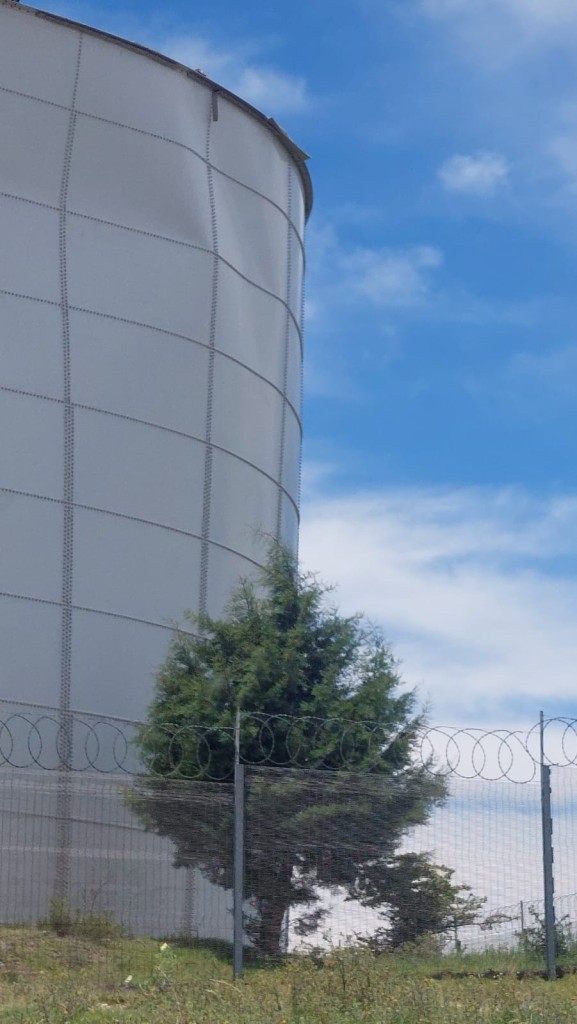
South Africa ranks as the 30th driest country in the world, making water infrastructure projects particularly crucial for ensuring sustainable supply to communities.
The failure of the Dihlabeng reservoir project represents more than technical difficulties—it reflects deeper governance challenges including weak project management and oversight, ineffective use of public funds, lack of consequence management, and insufficient transparency regarding infrastructure delivery.
The situation highlights systemic problems within municipal governance that extend beyond individual project failures. Effective governance requires accountability for failed projects, transparent use of public funds, proper planning and execution of infrastructure programmes, and prioritisation of essential services such as water provision.
ALSO READ: Access to water is a full-blown crisis in Johannesburg
The reservoir project’s failure represents a breakdown in the municipality’s responsibility to deliver basic services to its residents. This is particularly concerning given the critical importance of water storage capacity in ensuring reliable supply during periods of drought or infrastructure maintenance.
The DA has called on the municipality to provide a full account of the budget expenditure and reasons for the project’s failure, identify responsible parties and implement consequence management, present a clear remedial plan to ensure adequate water storage capacity going forward, and prioritise investment in water infrastructure to safeguard residents’ constitutional rights.
The party has committed to continuing oversight and advocacy for decisive action to ensure such failures are not repeated. The case demonstrates the broader challenges facing municipalities across South Africa in delivering essential infrastructure whilst maintaining financial accountability and transparency.
Without proper consequence management and remedial action, residents of Dihlabeng face continued uncertainty about their water security, undermining both their constitutional rights and the municipality’s credibility in delivering essential services. The situation demands urgent intervention to restore community confidence whilst ensuring sustainable water infrastructure development for the future.



You must be logged in to post a comment.