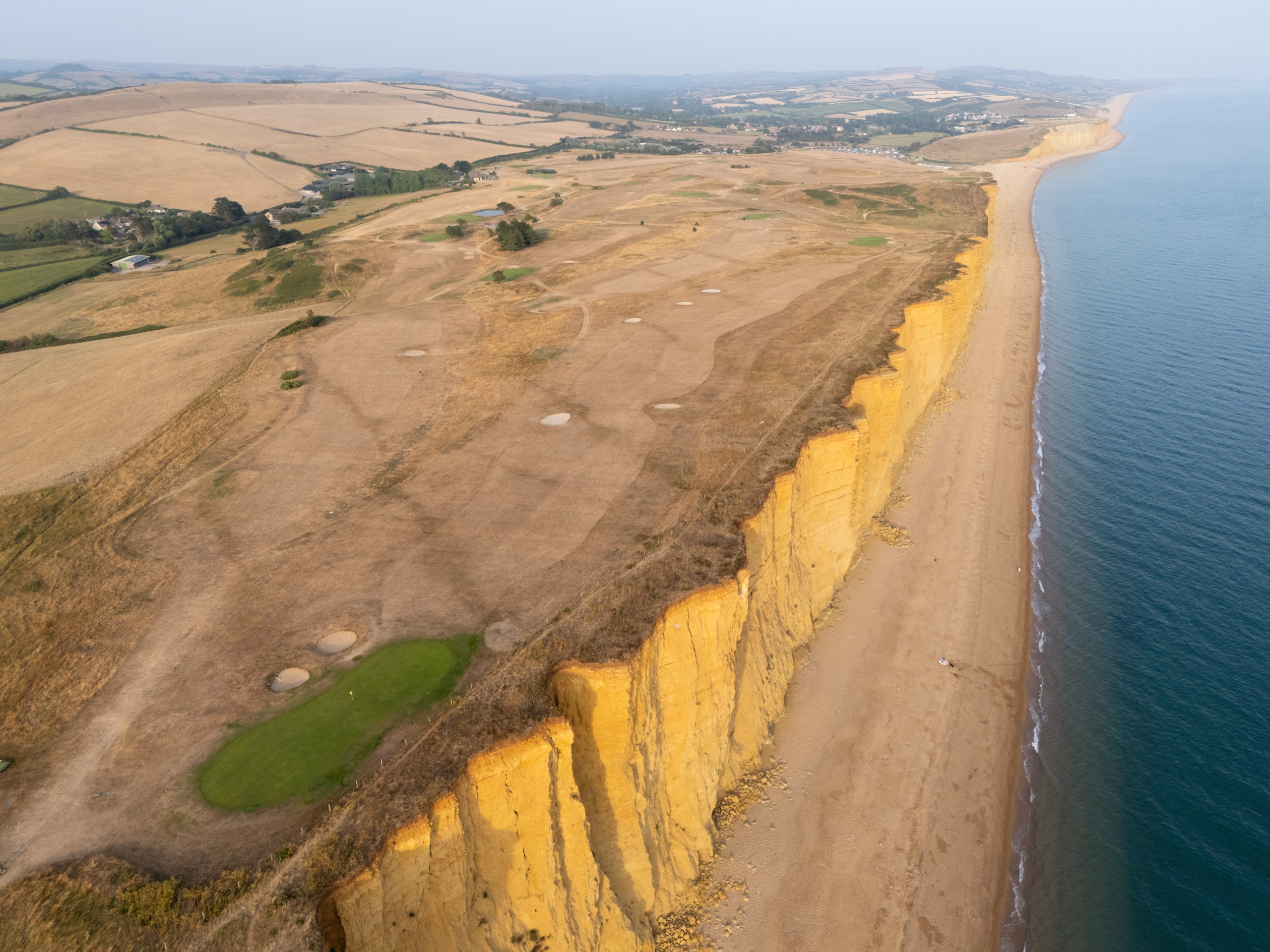
England and Wales have experienced their driest July since records began, the Met Office confirmed on Monday.
Provisional figures show England received just 6.5 mm of rain last month, only 10% of the usual average, while Wales recorded 9.3 mm. The month was also the sunniest ever observed in Britain.
“July 2026 has been a truly remarkable month in the UK’s climate record,” said Amy Doherty, science manager at the Met Office. The month saw a combination of record-breaking dryness, exceptional warmth and unprecedented sunshine.
Southern England experienced its driest month since records began in 1836, with just 1.9 mm of rainfall, representing only 3% of the average figure. London and its suburbs were among 19 English regions that received no more than one millimetre of rain during July.
Little rain is forecast for the coming week, with the last three months all recording below average monthly rainfall.
Impact on farming and water supplies
Water companies across parts of England and Wales have imposed hosepipe bans, prohibiting households from using hoses for tasks such as watering plants and washing cars.
Helen Wakeham, chairperson of the National Drought Group, said the effects are being felt by farmers, wildlife and water availability for public and business use.
Tom Bradshaw, president of the National Farmers’ Union, told Sky News that harvest finished in early August, far earlier than normal. “That’s unthinkable compared to only a decade ago and it will be one of the earliest harvests on record,” he said, noting yields were a third lower than usual.
Second-hottest July for UK
For the United Kingdom overall, this was the second-hottest July on record. Wales recorded its joint hottest July ever, with a mean temperature of 17.8C, matching figures previously reached in 2006 and 1983.
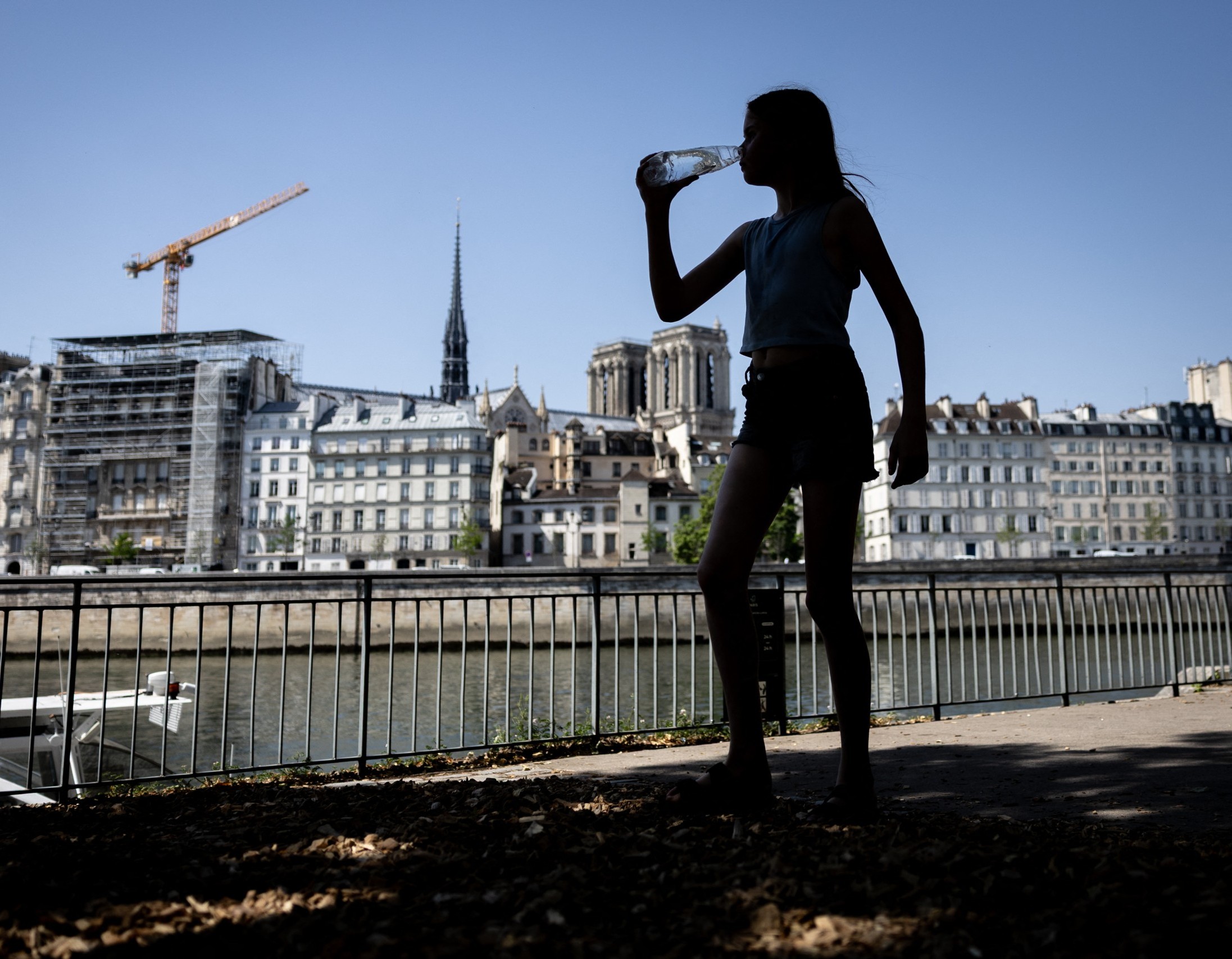
The extreme heat follows record-breaking heatwaves in May and June, which led to an estimated 2 877 excess deaths in England, according to the UK Health Security Agency. An amber health warning remains in place for four regions, including London, warning of increased risk to people over 65 or those with pre-existing health conditions.
Calls for climate adaptation measures
Environmental groups have called for stronger government action to address increasingly extreme weather conditions.
Ami McCarthy, head of politics at Greenpeace UK, said the impact on nature and biodiversity, including birds, bees and butterflies, is unfathomable. She urged the government to financially support farmers to transition to more nature-friendly farming methods.
Rosie Downes, head of campaign at Friends of the Earth, called for a stronger National Adaptation Plan to help the UK prepare for increasingly extreme weather as the planet warms.
Britain’s current national adaptation programme includes plans for new flood defences, more green areas and more drought-resistant crops.
ALSO READ: More than half of England officially declared in drought