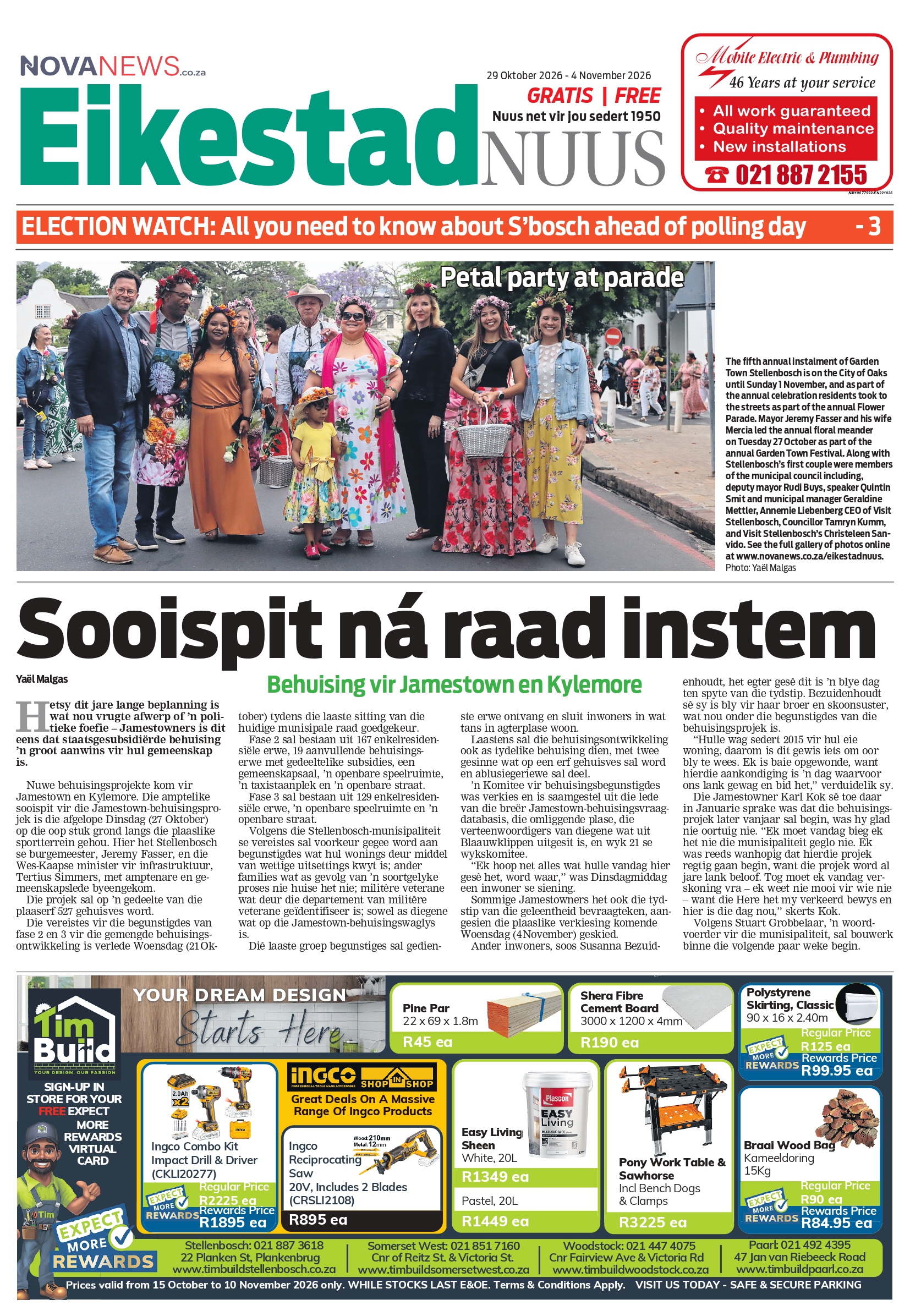
The Stellenbosch Municipality again reassured locals this week that the tap water is safe to drink, despites residents’ complaints about water quality in the area.
According to a statement issued by the municipality on Monday 27 October, water samples tested received “the green light” and met the necessary standards for drinking water.
“Isolated incidents of water discolouration is linked to naturally occurring tannins entering the river system after rainfall. Municipal teams who tested samples today, also confirmed that water leaving the treatment plant meets the required limits and instructed teams to flush affected water lines.
“The water remains safe to drink. Boiling is not necessary. The municipality continues to monitor water quality to ensure compliance with SANS 241 standards,” the statement read.
ALSO READ: Munisipaliteit verklaar Eikestad-kraanwater is veilig om te drink
Slight decline in dam levels
The municipality also called for residents and business in the area to take care and not waste water after the most recent dam levels for the province were confirmed by the provincial office of the national Department of Water and Sanitation (DWS).
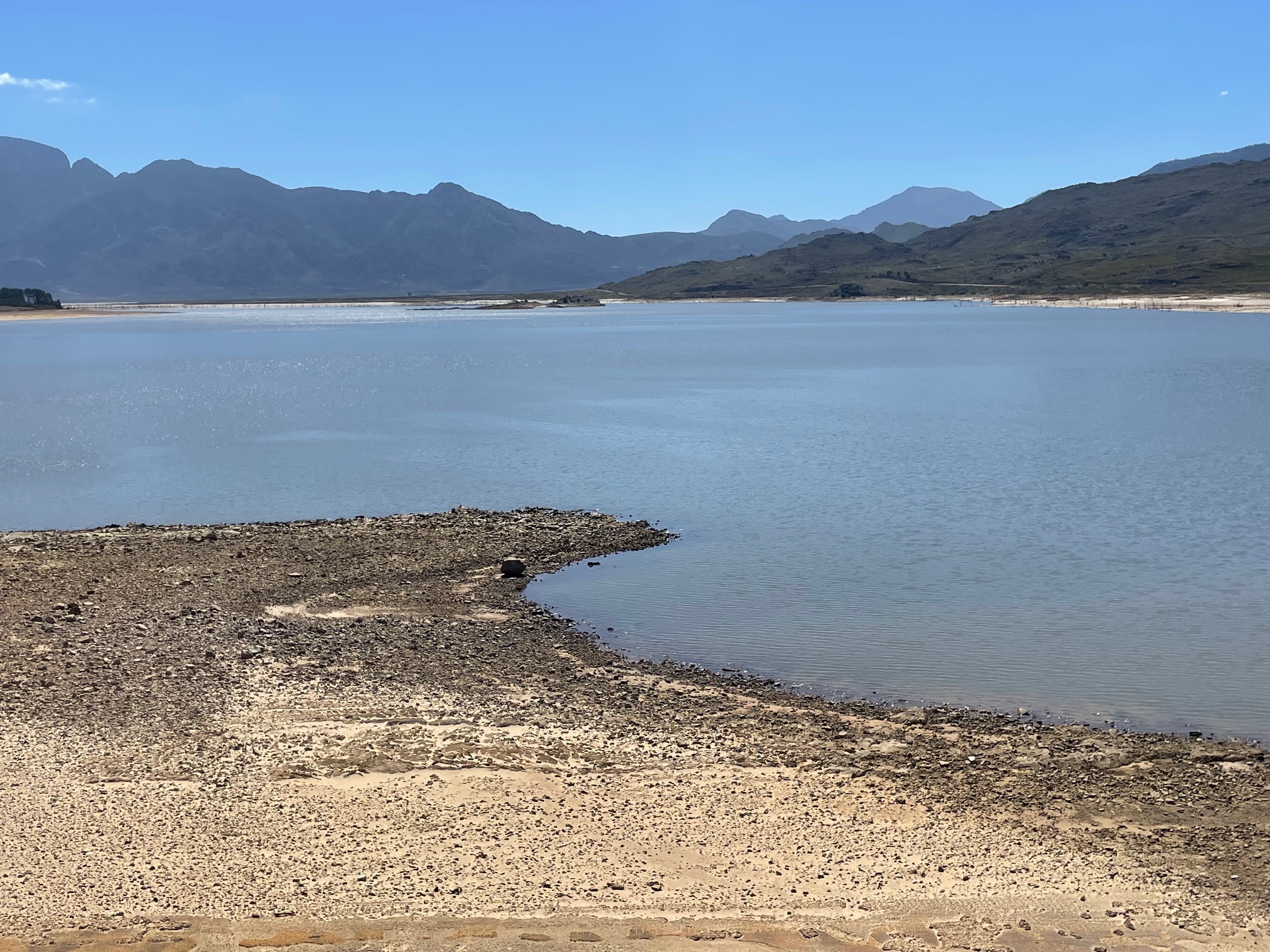
Dam levels in the province remains stable with the Cape Town Water Supply System (CTWSS) at 73% capacity, while the Western Cape State Dams are also relatively stable at 78,95%, compared to 79,18% recorded last week.
According to DWS, Theewaterskloof, the largest dam in the CTWSS, sits at 72,92%, a slight drop compared to 73,56% last year at this time.
DWS provincial head Ntombizanele Bila-Mupariwa said that while residents may have experienced rainfall over the past week or two, the rain did not fall in the key catchment areas.
“It is unfortunate that the rain we saw over the last week did not fall where it was most needed, and therefore did little to replenish our dams,” she said.
Calls to conserve water
Bila-Mupariwa added that given the impacts of El Niño and changing weather patterns, the DWS is encouraged when dam levels do not decline significantly.
She, like the Stellenbosch Municipality, appealed to residents, businesses, and industries to conserve water and avoid unnecessary wastage.
“Next week, the department will reassess the water resource model using dam level data and the findings and outcomes of the assessment, will be communicated to all stakeholders to determine whether there will be a need for water restrictions in the affected municipalities,” Bila-Mupariwa said.
The local municipality receives around 60% of its water from the CTWSS and the rest (40%) from the regional network which includes Ida’s Valley dams. During the October sitting of the Stellenbosch municipal council, the municipality approved an item to secure water for the municipal area for the next decade.
The agreement between Stellenbosch Municipality and the City of Cape Town will commence on 1 July next year and run until to 30 June 2037.
ALSO READ: ‘Geen Dag Zero dreig’ sê Stellenbosch-munisipaliteit