

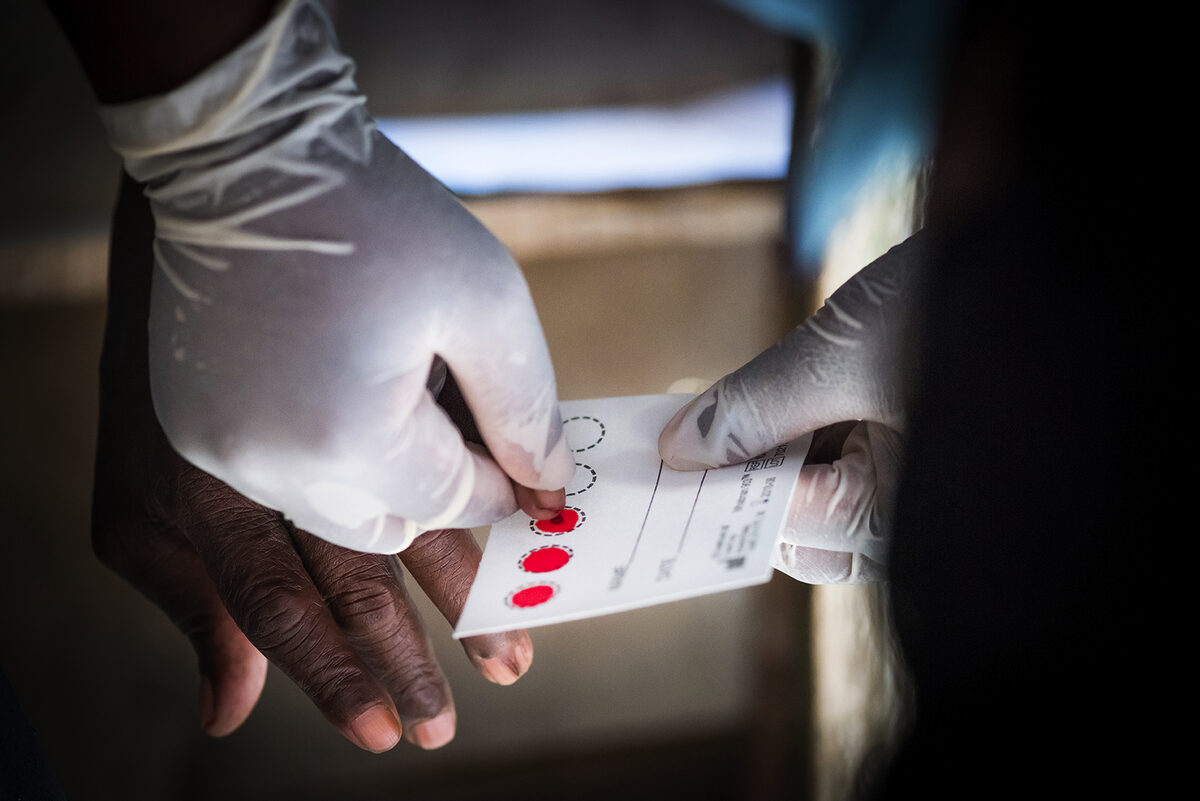
One of the world’s largest ongoing population-based HIV studies has documented major declines in new infections over two decades in rural KwaZulu-Natal.
But since 2019, progress has stalled – and in some cases begun to reverse. A new study published in The Lancet HIV identifies where renewed action could help South Africa regain momentum towards epidemic control.
An international research team, led by the Africa Health Research Institute (AHRI) with Stellenbosch University’s South African Centre for Epidemiological Modelling and Analysis (SACEMA) and the Centre for Epidemic Response and Innovation (CERI), analysed more than two decades of population-based HIV surveillance data.
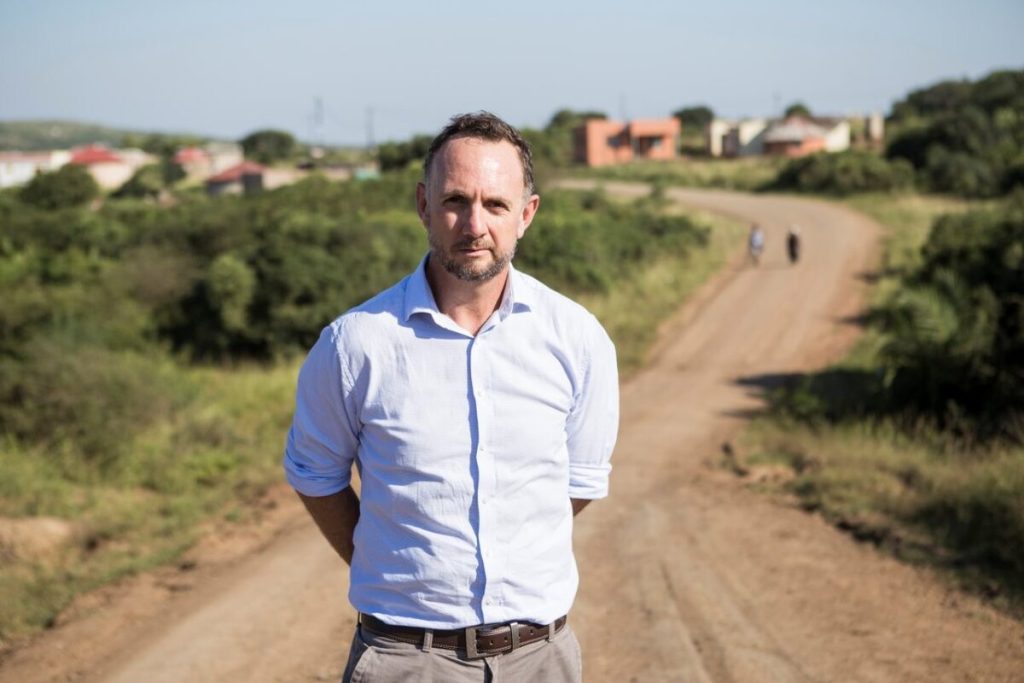
Professor Frank Tanser, based at both AHRI and SACEMA/CERI, is the study’s senior author.
“South Africa has made extraordinary progress against HIV over the past two decades,” says Tanser. “These data show what sustained investment in treatment and prevention can achieve. They also give us a clear picture of where we now need to focus to protect those gains and accelerate progress towards epidemic control.”
ALSO READ: Matie se navorsing wys ‘depressiewes veral snags op sosiale media’
Two decades of progress
Between 2013 and 2018, annual HIV incidence fell by 52,2% among males and 36,9% among females. Overall incidence declined from 3,32 new infections per 100 person-years in 2010 to 1,49 in 2024-’25 – a 55% reduction.
Population-level viral control also improved. Between 2011 and 2018, detectable viraemia among people living with HIV fell by 44,5% in males and 50,5% in females, reflecting the impact of expanded antiretroviral treatment.
The incidence-to-prevalence ratio, another key measure of epidemic control, fell by 74,2% between 2006 and 2022, moving close to the benchmark associated with epidemic control.
Where progress is slowing
The most recent data, however, shows a clear loss of momentum. Researchers found no evidence of continued decline in HIV incidence between 2019 and 2025 among either men or women.
Detectable viraemia increased by 9,6% between 2019 and 2025, while the incidence-to-prevalence ratio stalled above the epidemic-control benchmark after reaching its lowest recorded level in 2022.
“These results provide a timely insight into the changing dynamics of the HIV epidemic,” says lead author Elphas Okango. “This should be a call to action. We need to build on the successes of the past but use the tools we have at our disposal more effectively to drive the epidemic towards elimination.”
Who needs to be reached
The study highlights important differences by age and sex. HIV incidence has continued to decline among younger adults aged 15 to 34, but these gains are being offset by stalled or increasing incidence among adults aged 35 to 54 – pointing to the need for prevention programmes that reach people across a broader range of ages.
The estimated cumulative risk of acquiring HIV between ages 15 and 54, based on 2019 to 2025 incidence rates, was 53% for women and 32% for men.
ALSO READ: US-studie toon beheerde brande is niemand se vyand nie
Guiding the next phase
The study draws on AHRI’s health and demographic surveillance system in rural KwaZulu-Natal. Among 42 662 participants who initially tested HIV negative and were subsequently recontacted, 29 702 underwent repeat HIV testing.
Across more than 182 000 person-years of observation, researchers recorded 4 852 new HIV infections.
“The power of this data lies in its depth and continuity,” says AHRI director of science and study co-author Dr Kobus Herbst. “By following the same population over more than two decades, we can see changes in the epidemic that would be difficult to capture through periodic surveys alone.”
While the cohort is based in rural KwaZulu-Natal and is not nationally representative, its long-term, high-resolution data provide an important window into epidemic dynamics in one of South Africa’s highest HIV-burden settings.
Tools to change course
The researchers emphasise that the recent slowdown is not irreversible. Tailored prevention options for different risk groups, stronger initiation and adherence to antiretroviral therapy, more patient-centred services, and long-acting agents for prevention and treatment all represent opportunities for the next phase.
The findings come at a time of growing uncertainty in global HIV financing, reinforcing the importance of sustaining proven programmes while adapting them to a changing epidemic. The authors call for coordinated action across research, policy, government, civil society, and international partners to ensure proven tools are implemented effectively and sustained.
- The study, “Epidemiological trends of HIV among individuals aged 15-54 years in South Africa from 2004 to 2025,” was published online in The Lancet HIV on Wednesday 7 October and funded by the National Institute of Mental Health.
ALSO READ: Study: Over 14 million people could die from US foreign aid cuts



You must be logged in to post a comment.